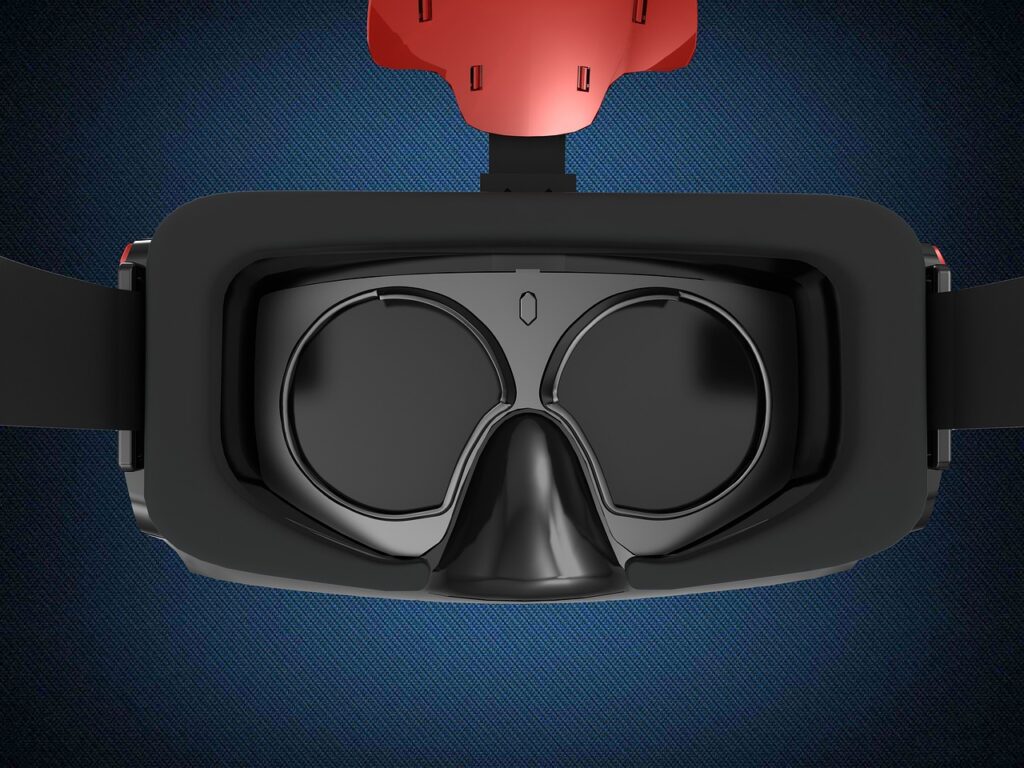

For a beginner who just discovered the metaverse, the concept can seem like something out of a science fiction movie. However, the reality is that the metaverse is already here, and it’s changing the way people live, work, and interact with each other. Before the metaverse, online interactions were limited to two-dimensional screens and platforms. Now, with the metaverse, users can experience immersive, interactive, and interconnected virtual worlds. For instance, a person can attend a virtual concert, buy digital land, or participate in a meeting, all within a virtual environment. This shift is expected to continue, with more people and businesses entering the metaverse every day.
📝 What You'll Learn
Breaking Down the Metaverse
The metaverse is a shared, immersive and interactive virtual reality where users can create their own avatars and environments and engage with other users in real time. The metaverse could be a potential successor to the internet, offering a more immersive and interactive way to connect with others. It also has the potential to revolutionize the way we work, play, and socialize.
| Term | Plain-English Meaning |
|---|---|
| Virtual Reality (VR) | A computer-generated simulation of a three-dimensional environment that can be experienced and interacted with in a seemingly real or physical way. |
| Augmented Reality (AR) | A technology that superimposes digital information on the real world, using the camera on a device to blend digital and real-world environments. |
| Blockchain | A decentralized, digital ledger that records transactions across a network of computers, allowing for secure, transparent, and tamper-proof data storage and transfer. |
| Avatars | Digital representations of users in the metaverse, which can be customized to reflect the user’s personality, style, and preferences. |
| Non-Fungible Tokens (NFTs) | Unique digital assets that can represent ownership of virtual items, such as art, collectibles, or real estate, and can be bought, sold, and traded in the metaverse. |
| Metaverse Platforms | The software and infrastructure that enable the creation, operation, and interaction with the metaverse, including platforms for building, exploring, and socializing. |
Why Metaverse (2026 update) Matters
The metaverse matters because it has the potential to revolutionize the way people interact, work, and play. It could enable new forms of social interaction, entertainment, and education, and create new opportunities for businesses and entrepreneurs. For example, a company could create a virtual store in the metaverse, allowing customers to browse and purchase products in a more immersive and interactive way. According to a report, the metaverse market is expected to reach $1.5 trillion by 2025, with 75% of the global population using the metaverse by 2030.
The metaverse also has the potential to benefit a wide range of industries, including healthcare, education, and finance. For instance, doctors could use the metaverse to practice surgeries, students could use it to participate in virtual labs, and financial institutions could use it to provide virtual banking services. Here’s the key thing to understand: the metaverse is not just a new technology, but a new way of interacting with each other and with information.
Most people miss this, but the metaverse is also expected to have a significant impact on the environment. By reducing the need for physical travel and increasing the efficiency of digital transactions, the metaverse could help reduce carbon emissions and promote sustainability. For example, a study found that virtual events in the metaverse could reduce carbon emissions by up to 90% compared to traditional in-person events. As the metaverse continues to grow and evolve, it’s likely that we’ll see even more innovative applications and benefits emerge.
Metaverse Methods Worth Knowing
1. Creating a Metaverse Avatar
Creating a metaverse avatar is a process of designing and customizing a digital representation of oneself in the metaverse. This can be done using a variety of tools and platforms, such as avatar creation software or metaverse platforms that offer avatar customization options. To create an avatar, users can choose from a range of pre-made templates or design their own from scratch, customizing features such as appearance, clothing, and accessories. avatar creation software
A common beginner mistake is to overlook the importance of customization, resulting in an avatar that does not accurately reflect the user’s personality or style.
- Strengths: Customization options, ability to express oneself, increased sense of presence and immersion in the metaverse.
- Ability to change and update avatar appearance over time, reflecting changes in the user’s real-life style or preferences.
2. Building a Metaverse Environment
Building a metaverse environment involves creating a virtual space or world that users can interact with and explore. This can be done using a variety of tools and platforms, such as game engines, 3D modeling software, or metaverse development platforms. To build an environment, users can design and construct virtual buildings, landscapes, and objects, and add interactive elements such as scripts, animations, and physics.
A common beginner mistake is to underestimate the complexity and scope of the project, resulting in an environment that is incomplete or poorly optimized.
- Strengths: Ability to create immersive and interactive experiences, increased sense of presence and engagement in the metaverse.
- Opportunity to build and manage virtual real estate, such as renting or selling virtual land or properties.
3. Developing Metaverse Experiences
Developing metaverse experiences involves creating interactive and engaging content that users can participate in and enjoy. This can include games, simulations, educational programs, and social events, among others. To develop an experience, users can use a variety of tools and platforms, such as game engines, simulation software, or metaverse development platforms.
A common beginner mistake is to focus too much on technical aspects, neglecting the importance of user experience and engagement.
- Strengths: Ability to create engaging and interactive content, increased sense of presence and immersion in the metaverse.
- Opportunity to monetize experiences through advertising, sponsorships, or paid participation.
4. Participating in Metaverse Communities
Participating in metaverse communities involves engaging with other users and groups in the metaverse, such as joining discussion forums, attending events, or participating in activities. To participate in a community, users can use a variety of tools and platforms, such as social media, forums, or metaverse platforms that offer community features.
A common beginner mistake is to be overly self-promotional, resulting in a negative reception from the community. common beginner mistake
- Strengths: Ability to connect with others who share similar interests, increased sense of belonging and community in the metaverse.
- Opportunity to build relationships, collaborate on projects, and learn from others in the community.
5. Buying and Selling Metaverse Assets
Buying and selling metaverse assets involves acquiring and trading virtual goods, such as digital real estate, objects, or collectibles. To buy or sell an asset, users can use a variety of tools and platforms, such as marketplaces, auctions, or metaverse platforms that offer asset trading options.
A common beginner mistake is to underestimate the risks and volatility of the metaverse market, resulting in financial losses.
- Strengths: Ability to acquire and own unique digital assets, potential for financial gain through buying and selling.
- Opportunity to support creators and developers by purchasing their assets, such as digital art or collectibles.
6. Creating Metaverse Content
Creating metaverse content involves designing and producing interactive and engaging digital content, such as 3D models, textures, or audio files. To create content, users can use a variety of tools and platforms, such as 3D modeling software, audio editing software, or metaverse development platforms.
A common beginner mistake is to neglect the importance of optimization, resulting in content that is poorly performing or incompatible with the metaverse.
- Strengths: Ability to create high-quality and engaging content, increased sense of presence and immersion in the metaverse.
- Opportunity to monetize content through licensing, royalties, or paid downloads.
7. Monetizing Metaverse Activities
Monetizing metaverse activities involves generating revenue from interactions and transactions in the metaverse, such as through advertising, sponsorships, or paid services. To monetize an activity, users can use a variety of tools and platforms, such as advertising networks, sponsorship platforms, or metaverse platforms that offer monetization options.
A common beginner mistake is to focus too much on short-term gains, neglecting the importance of long-term sustainability and user engagement.
- Strengths: Ability to generate revenue from metaverse activities, increased sense of financial stability and security.
- Opportunity to build a sustainable and profitable business or career in the metaverse.
metaverse activities increased
| Step | What You Do | Expected Result |
|---|---|---|
| 1. Create a Metaverse Avatar | Design and customize a digital representation of yourself in the metaverse. | Increased sense of presence and immersion in the metaverse. |
| 2. Build a Metaverse Environment | Create a virtual space or world that users can interact with and explore. | Immersive and interactive experiences for users. |
| 3. Develop Metaverse Experiences | Create interactive and engaging content that users can participate in and enjoy. | Engaging and interactive content for users. |
| 4. Participate in Metaverse Communities | Engage with other users and groups in the metaverse, such as joining discussion forums or attending events. | Connections with others who share similar interests, sense of belonging and community. |
| 5. Buy and Sell Metaverse Assets | Acquire and trade virtual goods, such as digital real estate, objects, or collectibles. | Ownership of unique digital assets, potential for financial gain. |
| 6. Create Metaverse Content | Design and produce interactive and engaging digital content, such as 3D models or audio files. | High-quality and engaging content for users, potential for monetization. |
| 7. Monetize Metaverse Activities | Generate revenue from interactions and transactions in the metaverse, such as through advertising or sponsorships. | Financial stability and security, potential for long-term sustainability. |
Frequently Asked Questions
What is the Metaverse?
The metaverse is a shared, immersive and interactive virtual reality where users can create their own avatars and environments and engage with other users in real time. It’s a potential successor to the internet, offering a more immersive and interactive way to connect with others.
How do I Access the Metaverse?
Accessing the metaverse typically requires a computer or device with a reliable internet connection, as well as a metaverse platform or software that enables interaction with the virtual world. Some metaverse platforms may also require specialized hardware, such as a VR headset.
What are the Benefits of the Metaverse?
The metaverse offers a wide range of benefits, including increased sense of presence and immersion, new forms of social interaction and entertainment, and potential for financial gain through buying and selling virtual assets or monetizing activities.
Is the Metaverse Safe?
The safety of the metaverse depends on various factors, including the platform or software used to access it, as well as the user’s own behavior and precautions. As with any online environment, it’s essential to be aware of potential risks, such as scams or harassment, and to take steps to protect oneself and one’s assets.
What’s the Future of the Metaverse?
The future of the metaverse is expected to be shaped by advances in technology, such as improvements in VR and AR, as well as growing adoption and investment in the metaverse. As the metaverse continues to evolve, it’s likely that we’ll see new and innovative applications, such as virtual events, education, and healthcare, as well as increased integration with other technologies, such as blockchain and artificial intelligence.
Key Takeaways
The metaverse is a rapidly evolving and expanding virtual world that offers a wide range of opportunities and benefits, from social interaction and entertainment to financial gain and education. By understanding the metaverse and its various aspects, users can unlock new possibilities and experiences, and be part of a revolutionary new way of interacting with each other and with technology. With its potential to transform industries and revolutionize the way we live, work, and play, the metaverse is an exciting and dynamic space that’s worth exploring and learning more about.
As the metaverse continues to grow and evolve, it’s essential to stay informed and up-to-date on the latest developments and trends. Whether you’re a beginner or an experienced user, there’s always something new to learn and discover in the metaverse, and by taking the first step and exploring this virtual world, you can unlock a whole new level of possibilities and opportunities.
Here’s the key thing to understand: the metaverse is not just a new technology, but a new way of interacting with each other and with information, and by embracing this new way of interaction, users can gain a deeper understanding of the metaverse and its many benefits, and be part of a revolutionary new way of experiencing the world.