
Mixed reality, a combination of virtual and augmented reality, has the potential to revolutionize the way we interact with information and our surroundings. However, choosing the right approach to implementing mixed reality is crucial for success. Most people get this wrong due to misconceptions about the technology and its applications. Here’s the key thing to understand: mixed reality is not just about overlaying digital information on the real world, but about creating a seamless and interactive experience. The consequences of getting it wrong can be costly, both in terms of financial investment and missed opportunities. Most people miss this critical aspect, focusing instead on the flashy features of mixed reality without considering the underlying technology and its limitations. Choosing the right approach matters because it can make all the difference between a successful implementation and a failed one.
📝 Table of Contents
The Basics of Mixed Reality
To understand mixed reality, it’s essential to grasp the fundamental concepts of virtual and augmented reality. Virtual reality (VR) creates a completely artificial environment, shutting out the physical world, while augmented reality (AR) overlays digital information on the real world. Mixed reality (MR) combines these two, allowing users to interact with both virtual and real-world objects in a seamless way. This technology has numerous applications, from education and training to entertainment and healthcare. Here’s the key thing to understand: mixed reality is not just about the technology itself, but about how it can be used to solve real-world problems and improve people’s lives.
The table below highlights some key metrics to evaluate when considering mixed reality solutions:
| Metric | Description | Importance |
|---|---|---|
| Field of View | The extent of the environment that can be seen by the user | High |
| Resolution | The clarity of the digital information displayed | Medium |
| Latency | The delay between the user’s actions and the system’s response | High |
| Controller Support | The ability to interact with virtual objects using physical controllers | Medium |
Leading Mixed Reality Solutions
Microsoft HoloLens
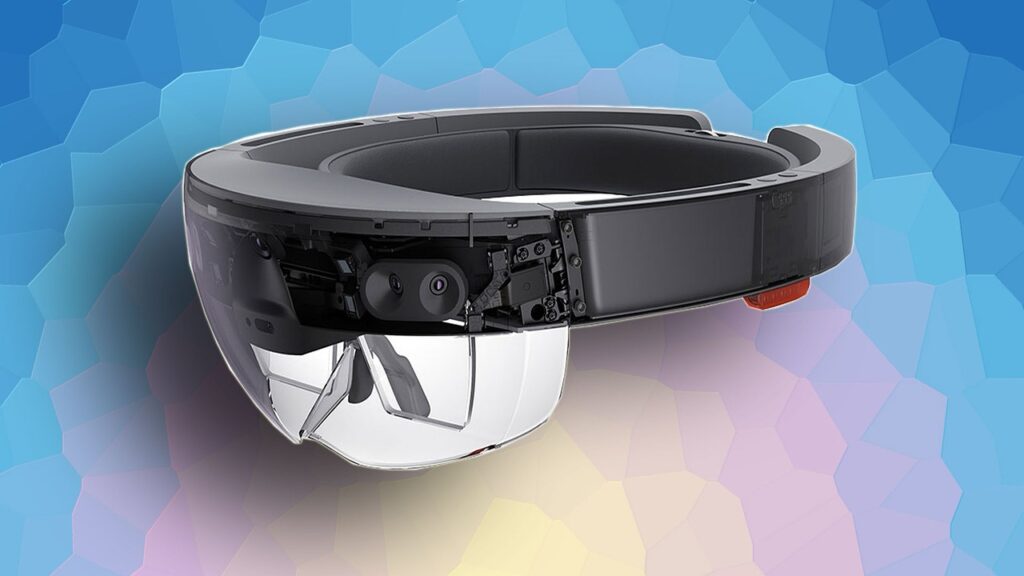
Microsoft HoloLens is one of the most well-known mixed reality solutions, offering a self-contained holographic computer that enables users to interact with virtual objects in the real world. HoloLens has a wide range of applications, from education and healthcare to manufacturing and entertainment.
- Key Benefits:
- High-resolution displays for clear and vibrant holograms
- Advanced hand tracking for precise interaction with virtual objects
- Integrated speakers for immersive audio experiences
- Known Issues:
- High cost, making it less accessible to individual consumers
- Limited content availability, which can restrict its use cases
Best for: Enterprises and organizations looking for a comprehensive mixed reality solution for training, education, and other applications.
Google ARCore
Google ARCore is a software development kit (SDK) that enables developers to build augmented reality experiences for Android and iOS devices. ARCore provides a range of features, including motion tracking, environmental understanding, and light estimation.
- Key Benefits:
- Cross-platform compatibility, allowing developers to reach a broader audience
- Easy integration with existing Android and iOS apps
- Regular updates with new features and improvements
- Known Issues:
- Limited support for complex mixed reality experiences
- Dependence on device hardware capabilities, which can affect performance
Best for: Developers looking to create augmented reality experiences for mobile devices with ease and flexibility.
HTC Vive Pro
HTC Vive Pro is a high-end virtual reality headset that also supports mixed reality applications. It offers advanced features such as room-scale tracking, motion controllers, and high-resolution displays.
- Key Benefits:
- High-quality graphics and immersive experiences
- Advanced motion controllers for precise interaction
- Room-scale tracking for a more engaging and interactive environment
- Known Issues:
- Requires a powerful computer to operate, which can be costly
- Limited mixed reality content availability compared to virtual reality
Best for: Gamers and enthusiasts looking for a high-end virtual reality experience with the capability to support mixed reality applications.
Magical Leap One
Magic Leap One is a mixed reality headset that provides a unique and interactive experience, with a focus on enterprise and business applications. It features advanced hand tracking, spatial audio, and high-resolution displays.
- Key Benefits:
- Lightweight and comfortable design for extended use
- Advanced hand tracking for natural interaction with virtual objects
- High-quality spatial audio for an immersive experience
- Known Issues:
- High cost, making it less accessible to individual consumers and small businesses
- Limited content availability, which can restrict its use cases
Best for: Enterprises and businesses looking for a comprehensive mixed reality solution for training, education, and other applications.
Oculus Quest
Oculus Quest is a standalone virtual reality headset that also supports mixed reality applications. It offers advanced features such as hand tracking, spatial audio, and high-resolution displays, all within a portable and self-contained device.
- Key Benefits:
- Portability and ease of use, making it accessible to a wider audience
- Advanced hand tracking for natural interaction with virtual objects
- High-quality spatial audio for an immersive experience
- Known Issues: Known Issues
- Limited mixed reality content availability compared to virtual reality
- Dependence on device hardware capabilities, which can affect performance
Best for: Consumers and gamers looking for a portable and easy-to-use virtual reality experience with the capability to support mixed reality applications.
| Option | Best For | Difficulty | Cost | Speed |
|---|---|---|---|---|
| Microsoft HoloLens | Enterprises | High | High | Medium |
| Google ARCore | Developers | Medium | Low | Fast |
| HTC Vive Pro | Gamers | High | High | Medium |
| Magic Leap One | Enterprises | High | High | Medium |
| Oculus Quest | Consumers | Low | Medium | Fast |
How to Choose the Right One
Choosing the right mixed reality solution depends on several factors, including the intended use case, the level of complexity required, and the budget available. Here’s the key thing to understand: there is no one-size-fits-all solution, and what works for one application may not work for another. Use case is a critical factor, as different solutions are better suited for different applications. For example, Microsoft HoloLens is ideal for enterprise applications, while Google ARCore is better suited for mobile-based augmented reality experiences.
Budget is another important consideration, as mixed reality solutions can range from relatively affordable to very expensive. The cost of the solution itself is not the only factor to consider; the cost of development, deployment, and maintenance must also be taken into account. Technical expertise is also a crucial factor, as some mixed reality solutions require advanced technical knowledge to set up and use. The level of support provided by the solution vendor is also important, as it can affect the overall user experience and the ability to troubleshoot issues.
In addition to these factors, content availability and compatibility with existing systems and devices are also important considerations. The availability of high-quality content can make or break the success of a mixed reality application, and compatibility issues can lead to frustration and disappointment. By carefully evaluating these factors and considering the specific needs and requirements of the intended application, it’s possible to choose the right mixed reality solution and ensure a successful implementation. these factors content
Most people miss the fact that choosing the right mixed reality solution is not just about the technology itself, but about the overall experience it provides. The solution must be easy to use, provide high-quality graphics and audio, and offer a seamless and interactive experience. By considering these factors and evaluating the different options available, it’s possible to make an informed decision and choose the right mixed reality solution for the intended application.
What This Means in Practice
By choosing the right mixed reality solution, organizations and individuals can create immersive and interactive experiences that enhance engagement, improve learning, and increase productivity. For example, in the field of education, mixed reality can be used to create interactive and engaging lessons that make complex concepts more accessible and easier to understand. In the field of healthcare, mixed reality can be used to provide training and simulation for medical professionals, reducing the risk of errors and improving patient outcomes.
In the field of entertainment, mixed reality can be used to create immersive and interactive experiences that blur the line between the physical and digital worlds. For example, mixed reality games can provide a new level of engagement and interaction, allowing players to interact with virtual objects and environments in a more natural and intuitive way. By providing a more immersive and interactive experience, mixed reality can increase engagement, improve learning, and enhance overall satisfaction.
Mixed reality can also be used to enhance the overall user experience, providing a more natural and intuitive way to interact with digital information. For example, in the field of retail, mixed reality can be used to provide customers with a more immersive and interactive shopping experience, allowing them to interact with virtual products and environments in a more natural and intuitive way. By providing a more immersive and interactive experience, mixed reality can increase sales, improve customer satisfaction, and enhance overall engagement.
In addition to these benefits, mixed reality can also be used to improve collaboration and communication, providing a more natural and intuitive way to interact with remote teams and colleagues. For example, in the field of business, mixed reality can be used to provide remote teams with a more immersive and interactive way to collaborate and communicate, allowing them to interact with virtual objects and environments in a more natural and intuitive way. By providing a more immersive and interactive experience, mixed reality can improve collaboration, increase productivity, and enhance overall communication.
Overall, the benefits of mixed reality are numerous and varied, and can be applied to a wide range of industries and applications. By choosing the right mixed reality solution and implementing it in a way that is tailored to the specific needs and requirements of the intended application, organizations and individuals can create immersive and interactive experiences that enhance engagement, improve learning, and increase productivity.
Mixed reality can also be used to provide a more personalized and tailored experience, allowing users to interact with digital information in a way that is tailored to their individual needs and preferences. For example, in the field of education, mixed reality can be used to provide students with a more personalized and tailored learning experience, allowing them to interact with virtual objects and environments in a way that is tailored to their individual learning style and preferences. By providing a more personalized and tailored experience, mixed reality can improve learning outcomes, increase engagement, and enhance overall satisfaction.
Closing Thoughts
To wrap up, choosing the right mixed reality solution is crucial for success, and depends on a careful evaluation of the intended use case, budget, technical expertise, and support. By considering these factors and evaluating the different options available, organizations and individuals can create immersive and interactive experiences that enhance engagement, improve learning, and increase productivity. The key to success lies in choosing a solution that is tailored to the specific needs and requirements of the intended application, and in implementing it in a way that provides a seamless and interactive experience for the user.
By following this framework and considering the benefits and limitations of each option, organizations and individuals can make an informed decision and choose the right mixed reality solution for their needs. With the right solution in place, the possibilities are endless, and the potential benefits are numerous and varied. Whether it’s enhancing engagement, improving learning, or increasing productivity, mixed reality has the potential to revolutionize the way we interact with digital information and our surroundings.
Ultimately, the decision to implement mixed reality should be based on a careful evaluation of the potential benefits and limitations, as well as the specific needs and requirements of the intended application. By choosing the right solution and implementing it in a way that is tailored to the specific needs and requirements of the intended application, organizations and individuals can create immersive and interactive experiences that enhance engagement, improve learning, and increase productivity.