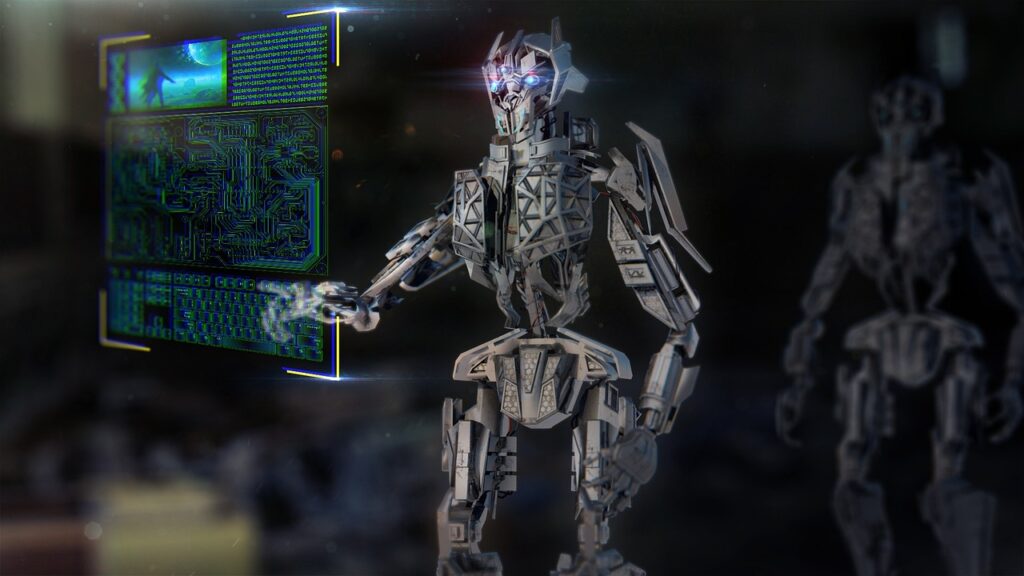

72% of companies worldwide are now using robotics to enhance their operations, signaling a significant shift towards automation and technological advancement. This statistic underscores the increasing importance of understanding robotics and its real-world applications. Despite its growth, the field of robotics is riddled with myths and misconceptions that can hinder its adoption and development. Exploring these myths is crucial for a nuanced understanding of robotics. The rapid evolution of robotics technology necessitates a closer look at where the industry stands and where it is headed.
📝 Article Overview
The Current State of Robotics (myths debunked)
One common assumption about robotics is that it leads to widespread job losses as machines replace human workers. However, evidence suggests that while robotics does automate certain tasks, it also creates new job opportunities in fields related to robotics development, deployment, and maintenance. Another myth is that robotics is too complex for small businesses or individuals to adopt, but advances in technology have made robots more accessible and affordable for a broader range of users.
The current state of robotics is characterized by rapid innovation and increasing accessibility. Robotics is not just about industrial robots; it encompasses a broad spectrum of applications, including service robots, autonomous vehicles, and robots for healthcare and education. Understanding the true capabilities and limitations of robotics is essential for maximizing its benefits.
| Metric | Current Value | Source Type | Trend |
|---|---|---|---|
| Global Robotics Market Size | $34.7 Billion | Market Research Reports | Increasing |
| Robot Density in Manufacturing | 126 Robots per 10,000 Workers | International Federation of Robotics | Rising |
| Average Annual Growth Rate of Robotics Industry | 17.4% | Industry Forecasts | Accelerating |
| Number of Robots Used in Healthcare | 10,000+ | Healthcare Robotics Reports | Expanding |
Latest Robotics Technologies
1. Artificial Intelligence in Robotics
Artificial intelligence (AI) is being increasingly integrated into robotics to enhance their autonomy and decision-making capabilities. This trend is driven by advancements in machine learning algorithms and the increasing availability of data. For instance, AI-powered robots can learn from their environment and adapt to new situations, making them more versatile and useful in a variety of applications.
The driving forces behind AI in robotics include the need for more autonomous systems and the desire to improve the efficiency of robotic operations. Evidence from recent studies shows that AI-enhanced robots can perform complex tasks with higher precision and speed than traditional robots.
- Strengths:
- Enhanced Autonomy
- Improved Efficiency
- Adaptability to New Tasks
2. Cloud Robotics
Cloud robotics refers to the concept of using cloud computing to enhance the capabilities of robots. This includes accessing vast computational resources, sharing data between robots, and enabling remote control and monitoring of robots. The driving forces behind cloud robotics are the limitations of onboard computing capabilities in robots and the need for more collaborative and interconnected robotic systems.
Data from cloud robotics platforms indicates a significant reduction in the development time for new robotic applications, as well as improved performance and scalability.
- Strengths:
- Scalability and Flexibility
- Access to Advanced Computing Resources
- Enhanced Collaboration and Data Sharing
3. Human-Robot Interaction (HRI)
HRI focuses on designing robots that can interact safely and effectively with humans. This field is crucial for the development of service robots, autonomous vehicles, and robots used in healthcare and education. The driving forces behind HRI include the need for robots to understand human behavior and communicate effectively with people.
Studies on HRI have shown that robots with advanced interaction capabilities can significantly improve user experience and acceptance of robotic technologies.
- Strengths: find out more
- Improved Safety and Trust
- Enhanced User Experience
- Increased Acceptance of Robots in Society
4. Autonomous Mobile Robots (AMRs)
AMRs are designed to navigate and perform tasks in dynamic environments without human intervention. They are used in logistics, manufacturing, and healthcare, among other sectors. The adoption of AMRs is driven by the need for flexible and efficient automation solutions that can adapt to changing conditions.
Evidence from early adopters of AMR technology indicates significant improvements in operational efficiency and reduced labor costs.
- Strengths:
- High Flexibility and Adaptability
- Improved Operational Efficiency
- Cost Savings through Reduced Labor Needs
5. Robotics for Education
Robots are increasingly being used in educational settings to teach programming, robotics, and STEM subjects. This trend is driven by the recognition of the importance of preparing the next generation for careers in robotics and related fields.
Data from educational robotics programs shows a positive impact on student engagement and learning outcomes in STEM subjects.
- Strengths:
- Enhanced Learning Experience
- Development of Critical Thinking and Problem-Solving Skills
- Preparation for Future Careers in Robotics and Technology
6. Soft Robotics
Soft robotics involves the development of robots made from flexible, pliable materials that can safely interact with delicate or fragile objects. This field has applications in healthcare, food handling, and manufacturing of complex products.
The development of soft robotics is driven by the need for robots that can handle fragile items without causing damage. Research in soft robotics has led to the creation of robots that can perform tasks that were previously impossible for traditional rigid robots.
- Strengths:
- Safe Interaction with Fragile Objects
- Flexibility and Adaptability
- Potential for New Applications in Sensitive Environments
Emerging Directions
1 Year: Increased Adoption of Autonomous Systems
Within the next year, there is likely to be a significant increase in the adoption of autonomous systems across various industries. This will be driven by advancements in AI, improvements in sensor technologies, and the growing need for efficient and flexible automation solutions. The impact of this trend will be moderate, as it builds upon existing technologies and applications.
Predictions for the short term suggest that companies will focus on deploying autonomous robots in controlled environments, such as warehouses and factories, to improve operational efficiency and reduce costs.
3 Years: Advancements in Human-Robot Collaboration
Over the next three years, significant advancements are expected in human-robot collaboration technologies. This includes the development of robots that can understand and respond to human emotions, gestures, and verbal commands more effectively. The impact of this trend is expected to be high, as it will enable robots to work more closely and safely with humans in a variety of settings.
Experts predict that these advancements will lead to wider adoption of robots in service industries, such as healthcare and education, where human-robot interaction is critical.
5 Years: Integration of Robotics with Other Technologies
In five years, the integration of robotics with other emerging technologies, such as the Internet of Things (IoT), blockchain, and augmented reality (AR), is expected to become more prevalent. This integration will enable the creation of more sophisticated and interconnected robotic systems that can operate in complex environments and make decisions autonomously. The impact of this trend is expected to be very high, as it will transform the way robots are used and perceived in society.
Predictions suggest that this integration will lead to the development of smart factories, cities, and homes, where robots play a central role in managing and interacting with the physical environment. integration will lead
| Year | Likely Development | Impact Level |
|---|---|---|
| 1 Year | Increased Adoption of Autonomous Systems | Moderate |
| 3 Years | Advancements in Human-Robot Collaboration | High |
| 5 Years | Integration of Robotics with Other Technologies | Very High |
What This Means in Practice
For businesses, the emerging trends in robotics mean that there will be more opportunities to automate processes, improve efficiency, and enhance customer experience through the use of robots. This could involve adopting autonomous systems for logistics, integrating robots into customer service roles, or using robots to improve manufacturing processes.
The trend towards more autonomous and collaborative robots also implies that companies will need to invest in training programs for workers who will be interacting with these systems. This includes not only technical training but also education on how to work safely and effectively alongside robots.
In terms of education, the increasing use of robots in educational settings presents an opportunity for institutions to prepare students for a future where robots and automation are omnipresent. This involves incorporating robotics and programming into curricula, as well as focusing on the development of skills that complement robotic capabilities, such as creativity, critical thinking, and problem-solving. educational settings presents
For individuals, the future of robotics offers a range of new career paths and opportunities for professional development. As the demand for robotics engineers, technicians, and operators grows, so does the need for professionals who can design, deploy, and maintain robotic systems. This includes roles in robotics development, AI engineering, and human-robot interaction design.
The integration of robotics with other technologies like IoT, blockchain, and AR also opens up new avenues for innovation and entrepreneurship. Startups and small businesses can use these technologies to create novel products and services that capitalize on the unique capabilities of robots and their interconnectedness with other systems.
What to Do Right Now
- Invest in robotics education and training to prepare for the changing job market. This is crucial because the skills required to work with and develop robots are becoming increasingly important, and having a workforce that is adept in robotics will be a significant competitive advantage.
- Explore the potential applications of robotics in your business or industry, focusing on areas where automation and efficiency can be improved. By understanding how robots can be integrated into existing processes, companies can identify opportunities for cost savings and productivity gains.
- Stay updated on the latest developments and advancements in robotics technology, including trends in AI, autonomous systems, and human-robot collaboration. This involves following industry news, attending conferences, and participating in workshops to stay abreast of the latest innovations and best practices.
- Consider the ethical and societal implications of robotics and how they can be addressed through responsible innovation and regulation. As robots become more pervasive, it is essential to think about their impact on employment, privacy, and safety, and to develop guidelines and standards that ensure their beneficial use.
- Engage with the robotics community, whether through professional networks, research collaborations, or public forums, to contribute to the discussion on the future of robotics and its applications. By participating in these dialogues, individuals and organizations can help shape the direction of robotics research and development.
What It All Means
The future of robotics is characterized by unprecedented opportunities for growth, innovation, and transformation across various sectors. As robotics continues to advance and become more integrated into our daily lives, it is essential to separate myth from reality and to understand the true potential and limitations of these technologies.
The emerging trends in robotics, from autonomous systems to human-robot collaboration and the integration with other technologies, signal a new era of automation and interconnectedness. This era will require a workforce that is skilled in robotics, AI, and related technologies, as well as a societal framework that addresses the challenges and benefits of widespread robotic adoption.
Ultimately, the impact of robotics will depend on how these technologies are developed, deployed, and regulated. By embracing the possibilities of robotics while addressing its challenges, society can harness the full potential of these technologies to create a more efficient, productive, and equitable future.