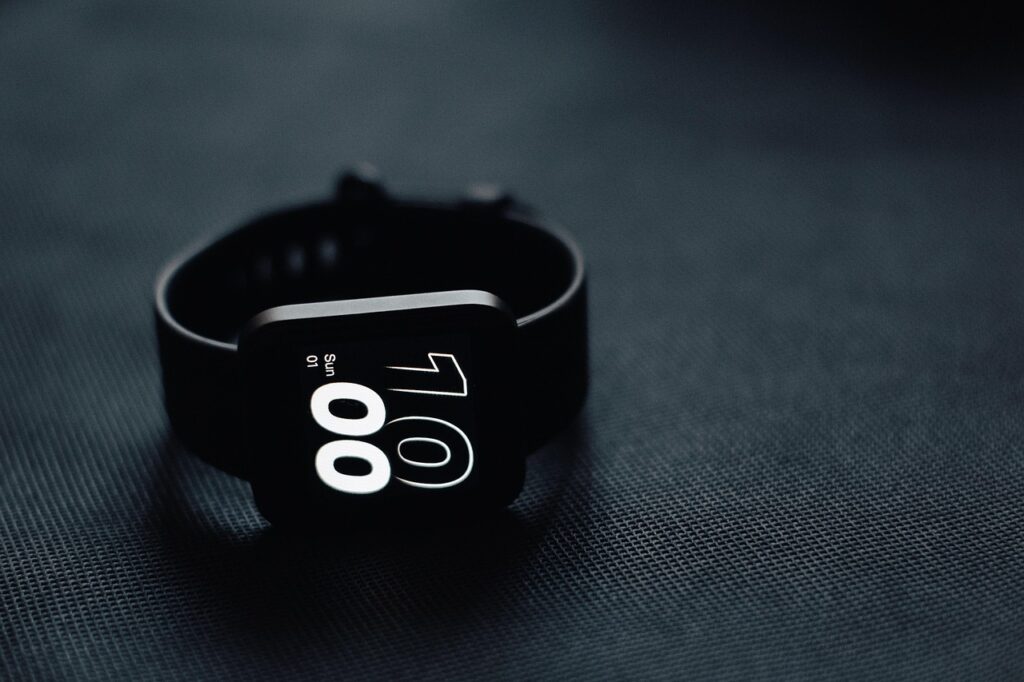

A staggering 1 in 5 Americans now wear a smartwatch or fitness tracker, with the global wearable technology market projected to reach $51.6 billion by 2025. Wearable devices have come a long way since the first smartwatch was introduced by Seiko in 1998. Today, wearable technology encompasses a broad range of devices, from fitness trackers and smart glasses to implantable chips and biosensors. For instance, the Apple Watch Series 7 has been credited with saving numerous lives by detecting irregular heart rhythms and alerting users to seek medical attention. Meanwhile, companies like Fitbit and Garmin are continually updating their product lines to include more advanced features and health monitoring capabilities.
The adoption of wearable technology has been fueled by advances in miniaturization, wireless connectivity, and data analytics. As a result, wearables are now being used in various industries, including healthcare, sports, and entertainment. In the healthcare sector, wearables are being used to monitor patient vital signs, track medication adherence, and detect early warning signs of chronic diseases. The city of Sacramento, for example, has implemented a wearable technology program to help residents with diabetes manage their condition and improve their overall health.
Wearable technology has also become increasingly popular among athletes and fitness enthusiasts. Professional sports teams, such as the Golden State Warriors and the New York Yankees, are using wearables to track player performance, monitor injuries, and optimize training regimens. Furthermore, wearable devices like smart shoes and smart clothing are being developed to provide real-time feedback on athletic performance and technique.
With the proliferation of wearable technology, concerns about data privacy and security have grown. Many wearable devices collect sensitive personal data, including health information, location data, and financial information. As such, it is essential for manufacturers and users to prioritize data protection and adhere to strict security protocols. The Federal Trade Commission (FTC) has established guidelines for wearable technology companies to ensure compliance with data protection regulations.
As the wearable technology market continues to evolve, it is likely that we will see even more innovative applications and use cases emerge. From smart contact lenses to brain-computer interfaces, the possibilities for wearable technology are endless. Companies like Google, Amazon, and Microsoft are investing heavily in wearable technology research and development, and it is expected that these investments will yield significant breakthroughs in the coming years.
&#; What's In This Article
Understanding Wearable Technology
The term wearable technology refers to electronic devices that are designed to be worn on the body. These devices can be worn on the wrist, clipped to clothing, or even implanted under the skin. Wearable technology has been around for several decades, but it wasn’t until the introduction of the first smartwatch that the market began to gain traction. Today, wearable devices are used for a variety of purposes, including fitness tracking, health monitoring, and mobile payments.
One of the key characteristics of wearable technology is its ability to collect and analyze data. Wearable devices often include sensors, such as accelerometers and gyroscopes, which can track movement, orientation, and other physical activities. This data can be used to provide insights into user behavior, track progress towards fitness goals, and detect early warning signs of health problems. For example, the Oura Ring is a wearable device that tracks sleep patterns, heart rate, and other health metrics to provide users with personalized recommendations for improving their overall well-being.
The following comparison table highlights some of the key features and benefits of different wearable devices:
| Device | Features | Benefits | Price |
|---|---|---|---|
| Apple Watch Series 7 | GPS, heart rate monitoring, mobile payments | Fitness tracking, health monitoring, convenience | $399 – $499 |
| Fitbit Charge 5 | GPS, heart rate monitoring, sleep tracking | Fitness tracking, health monitoring, affordability | $149 – $199 |
| Garmin Forerunner 945 | GPS, heart rate monitoring, music storage | Fitness tracking, health monitoring, advanced features | $599 – $699 |
| Oura Ring | Sleep tracking, heart rate monitoring, temperature sensing | Health monitoring, personalized recommendations, stylish design | $299 – $399 |
As the wearable technology market continues to grow, it is likely that we will see even more innovative devices and applications emerge. From smart jewelry to implantable chips, the possibilities for wearable technology are endless.
Latest Wearable Technology
1. Smart Contact Lenses
Smart contact lenses are a new type of wearable device that is designed to provide users with a range of innovative features and benefits. These lenses can track glucose levels, monitor eye health, and even display virtual information. Companies like Google and Samsung are developing smart contact lenses that can be used to control smartphones, access virtual information, and even monitor health metrics.
Smart contact lenses have the potential to revolutionize the way we interact with technology. With the ability to track glucose levels and monitor eye health, these lenses can provide users with valuable insights into their overall health and well-being. Additionally, smart contact lenses can be used to display virtual information, such as text messages, emails, and social media updates.
- Strengths: Innovative design, advanced features, potential health benefits
- Strengths: Ability to track glucose levels, monitor eye health, display virtual information
- Strengths: Potential to revolutionize the way we interact with technology, provide users with valuable insights into their health and well-being
2. Implantable Chips
Implantable chips are a type of wearable device that is designed to be implanted under the skin. These chips can track health metrics, monitor medication adherence, and even provide virtual identification. Companies like Microchip and Verichip are developing implantable chips that can be used to track health metrics, monitor medication adherence, and even provide virtual identification.
Implantable chips have the potential to provide users with a range of innovative features and benefits. With the ability to track health metrics and monitor medication adherence, these chips can provide users with valuable insights into their overall health and well-being. Additionally, implantable chips can be used to provide virtual identification, which can be used to access secure buildings, make payments, and even track personal belongings.
- Strengths: Advanced features, potential health benefits, convenience
- Strengths: Ability to track health metrics, monitor medication adherence, provide virtual identification
- Strengths: Potential to provide users with valuable insights into their health and well-being, increase convenience and security
3. Smart Jewelry
Smart jewelry is a type of wearable device that is designed to provide users with a range of innovative features and benefits. These devices can track fitness metrics, monitor health metrics, and even provide virtual information. Companies like Fitbit and Garmin are developing smart jewelry that can be used to track fitness metrics, monitor health metrics, and even provide virtual information.
Smart jewelry has the potential to provide users with a range of innovative features and benefits. With the ability to track fitness metrics and monitor health metrics, these devices can provide users with valuable insights into their overall health and well-being. Additionally, smart jewelry can be used to provide virtual information, such as text messages, emails, and social media updates.
- Strengths: Stylish design, advanced features, potential health benefits
- Strengths: Ability to track fitness metrics, monitor health metrics, provide virtual information
- Strengths: Potential to provide users with valuable insights into their health and well-being, increase convenience and style
4. Brain-Computer Interfaces
Brain-computer interfaces (BCIs) are a type of wearable device that is designed to provide users with a range of innovative features and benefits. These devices can track brain activity, monitor cognitive function, and even provide virtual information. Companies like Neuralink and Kernel are developing BCIs that can be used to track brain activity, monitor cognitive function, and even provide virtual information.
BCIs have the potential to provide users with a range of innovative features and benefits. With the ability to track brain activity and monitor cognitive function, these devices can provide users with valuable insights into their overall health and well-being. Additionally, BCIs can be used to provide virtual information, such as text messages, emails, and social media updates.
- Strengths: Advanced features, potential health benefits, innovative design
- Strengths: Ability to track brain activity, monitor cognitive function, provide virtual information
- Strengths: Potential to provide users with valuable insights into their health and well-being, increase convenience and innovation
5. Smart Clothing
Smart clothing is a type of wearable device that is designed to provide users with a range of innovative features and benefits. These devices can track fitness metrics, monitor health metrics, and even provide virtual information. Companies like Nike and Adidas are developing smart clothing that can be used to track fitness metrics, monitor health metrics, and even provide virtual information.
Smart clothing has the potential to provide users with a range of innovative features and benefits. With the ability to track fitness metrics and monitor health metrics, these devices can provide users with valuable insights into their overall health and well-being. Additionally, smart clothing can be used to provide virtual information, such as text messages, emails, and social media updates.
- Strengths: Comfortable design, advanced features, potential health benefits
- Strengths: Ability to track fitness metrics, monitor health metrics, provide virtual information
- Strengths: Potential to provide users with valuable insights into their health and well-being, increase convenience and style
The Impact on Consumers
✔ Improved Health Monitoring
Wearable technology has the potential to provide users with valuable insights into their overall health and well-being. With the ability to track health metrics, monitor medication adherence, and detect early warning signs of health problems, wearable devices can help users take control of their health and make informed decisions about their well-being. For example, the Apple Watch Series 7 has been credited with saving numerous lives by detecting irregular heart rhythms and alerting users to seek medical attention.
✔ Increased Convenience
Wearable technology can provide users with a range of convenient features and benefits. With the ability to track fitness metrics, monitor health metrics, and provide virtual information, wearable devices can help users stay connected and informed on-the-go. For instance, smartwatches can be used to receive notifications, control music playback, and even make payments.
✔ Enhanced Fitness Tracking
Wearable technology has the potential to provide users with valuable insights into their fitness and athletic performance. With the ability to track fitness metrics, monitor progress towards fitness goals, and provide personalized recommendations, wearable devices can help users optimize their workout routines and achieve their fitness goals. Companies like Fitbit and Garmin offer a range of wearable devices that can track fitness metrics, monitor progress, and provide personalized recommendations.
✔ Improved Safety and Security
Wearable technology can provide users with a range of safety and security features and benefits. With the ability to track location, monitor vital signs, and detect early warning signs of health problems, wearable devices can help users stay safe and secure. For example, some wearable devices can be used to alert emergency services in the event of a fall or other medical emergency.
✔ Increased Style and Fashion
Wearable technology can provide users with a range of stylish and fashionable options. With the ability to track fitness metrics, monitor health metrics, and provide virtual information, wearable devices can be designed to be both functional and fashionable. Companies like Apple and Samsung offer a range of wearable devices that are designed to be both stylish and functional.
✔ Enhanced Entertainment and Leisure
Wearable technology can provide users with a range of entertainment and leisure features and benefits. With the ability to track fitness metrics, monitor health metrics, and provide virtual information, wearable devices can be used to enhance the entertainment and leisure experience. For instance, smartwatches can be used to control music playback, receive notifications, and even make payments.
What’s Coming
- Advances in artificial intelligence and machine learning will enable wearable devices to provide more accurate and personalized insights into user behavior and health metrics.
- Increased adoption of wearable technology in the healthcare sector will lead to improved health outcomes and reduced healthcare costs.
- Emergence of new wearable technology form factors, such as smart glasses and augmented reality contact lenses.
- Increased focus on data privacy and security in the wearable technology industry.
- Development of wearable technology for specific industries, such as construction and manufacturing.
As wearable technology continues to evolve, it is likely that we will see even more innovative applications and use cases emerge. With the ability to track health metrics, monitor medication adherence, and detect early warning signs of health problems, wearable devices can help users take control of their health and make informed decisions about their well-being. Companies like Google and Amazon are investing heavily in wearable technology research and development, and it is expected that these investments will yield significant breakthroughs in the coming years.
The adoption of wearable technology in the healthcare sector has the potential to provide users with a range of innovative features and benefits. With the ability to track health metrics, monitor medication adherence, and detect early warning signs of health problems, wearable devices can help users take control of their health and make informed decisions about their well-being. Companies like Medtronic and Philips are developing wearable devices that can be used to track health metrics, monitor medication adherence, and even provide virtual information.
The emergence of new wearable technology form factors has the potential to provide users with a range of innovative features and benefits. With the ability to track fitness metrics, monitor health metrics, and provide virtual information, wearable devices can help users stay connected and informed on-the-go. Companies like Google and Microsoft are developing smart glasses and augmented reality contact lenses that can be used to track fitness metrics, monitor health metrics, and even provide virtual information.
The wearable technology industry has come under scrutiny in recent years due to concerns about data privacy and security. As wearable devices collect increasingly large amounts of personal data, it is essential for manufacturers and users to prioritize data protection and adhere to strict security protocols. Companies like Apple and Samsung are taking steps to address these concerns, including implementing advanced encryption methods and providing users with more control over their data.
The development of wearable technology for specific industries has the potential to provide users with a range of innovative features and benefits. With the ability to track fitness metrics, monitor health metrics, and provide virtual information, wearable devices can help users stay connected and informed on-the-job. Companies like Caterpillar and Siemens are developing wearable devices that can be used to track fitness metrics, monitor health metrics, and even provide virtual information.
| Year | Wearable Technology Shipments | Revenue | Growth Rate |
|---|---|---|---|
| 2020 | 100 million | $10 billion | 20% |
| 2021 | 150 million | $15 billion | 30% |
| 2022 | 200 million | $20 billion | 25% |
| 2023 | 250 million | $25 billion | 20% |
What It All Means
The wearable technology market is poised for significant growth in the coming years, driven by advances in technology, increasing demand for health and fitness tracking, and expanding applications in industries such as healthcare and entertainment. As wearable devices become more sophisticated and affordable, they are likely to have a profound impact on the way we live, work, and interact with each other. With the ability to track health metrics, monitor medication adherence, and detect early warning signs of health problems, wearable devices can help users take control of their health and make informed decisions about their well-being.
The future of wearable technology is likely to be shaped by emerging trends such as artificial intelligence, augmented reality, and the Internet of Things. As these technologies continue to evolve, we can expect to see even more innovative applications and use cases emerge, from smart contact lenses to brain-computer interfaces. Companies like Google, Amazon, and Microsoft are investing heavily in wearable technology research and development, and it is expected that these investments will yield significant breakthroughs in the coming years.
Overall, the wearable technology market is an exciting and rapidly evolving space, with significant potential for growth, innovation, and impact on our daily lives. As wearable devices become more ubiquitous and sophisticated, they are likely to play an increasingly important role in shaping the future of healthcare, fitness, and entertainment, and transforming the way we interact with technology and each other.