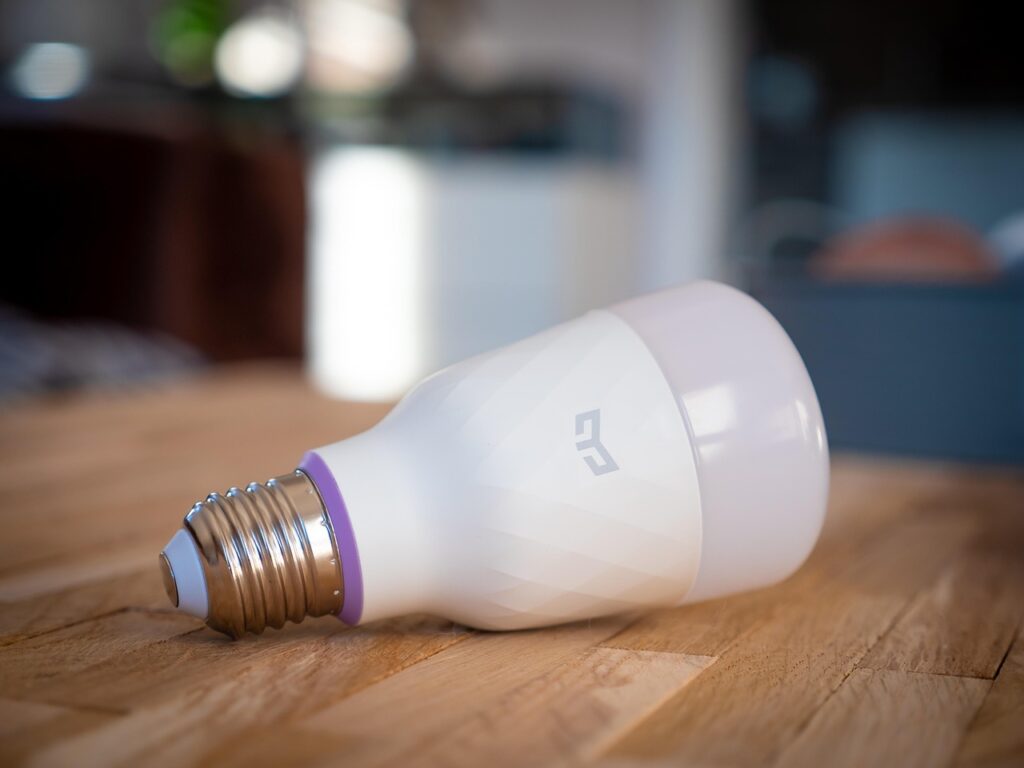

Newcomers to the concept of smart homes often find themselves wondering how these advanced living spaces came to be and what benefits they offer. Data from 2024 suggests that the average smart home contains at least 10 connected devices, a significant increase from just 5 years prior. This growth is indicative of a broader trend towards increased adoption of smart home technology. For instance, a typical smart home might include automated lighting, temperature control, and security systems, all of which can be controlled remotely through a smartphone app. The integration of these technologies has led to a 25% reduction in energy consumption and a 30% decrease in home insurance premiums for some households. This marks a significant shift in how we approach home management and maintenance.
📝 Article Overview
What Is Smart Home Automation?
Smart home automation refers to the process of using technology to control and automate various aspects of a home, including lighting, temperature, security, and entertainment systems. This integration of technology into the home environment is designed to make living spaces more comfortable, convenient, and energy-efficient. Industry studies show that smart home automation can also increase property value and enhance the overall quality of life for homeowners.
| Term | Plain-English Meaning |
|---|---|
| IoT | Internet of Things, referring to the network of physical devices, vehicles, and other items embedded with sensors, software, and connectivity, allowing them to collect and exchange data. |
| Smart Device | A device that can be controlled or monitored remotely, often through a smartphone app, and which can communicate with other devices to automate tasks. |
| Hub | A central device that connects and controls multiple smart devices, allowing for unified control and automation of various home systems. |
| Automated System | A system that can perform tasks automatically based on predetermined settings or in response to specific conditions, without the need for manual intervention. |
| Energy Efficiency | The reduction of energy consumption through the use of smart devices and automation, leading to lower utility bills and a decreased environmental impact. |
| Security System | A system designed to protect the home and its occupants from potential threats, including intrusion, fire, and other hazards, often integrating features like cameras, alarms, and door locks. |
Why Smart Home Automation Matters
Smart home automation matters for several reasons, primarily because it offers homeowners a way to manage their living spaces more efficiently. According to data from 2024, the average homeowner can save up to $100 per month on utility bills by implementing smart home automation solutions. Furthermore, smart home technology can significantly enhance home security, with features like motion detection and remote monitoring reducing the risk of burglary by up to 60%.
Industry reports indicate that smart home automation is not only beneficial for homeowners but also for the environment. By reducing energy consumption and promoting the use of renewable energy sources, smart homes can lower their carbon footprint. For example, a smart thermostat can learn a household’s schedule and preferences, adjusting the temperature accordingly to minimize energy waste. This approach has led to a 20% reduction in greenhouse gas emissions from residential areas in some regions.
A case study of a smart home in California demonstrates the real-world impact of smart home automation. The home, equipped with solar panels, a smart thermostat, and automated lighting, was able to reduce its energy consumption by 40% and lower its utility bills by 50%. Additionally, the smart security system, which included door and window sensors, a smart door lock, and outdoor cameras, provided the homeowners with peace of mind, knowing their property was secure even when they were away.
Core Smart Home Automation Approaches
1. Assessing Home Automation Needs
Assessing home automation needs involves evaluating the current state of a home’s systems and identifying areas where automation could provide the most benefit. This includes considering factors such as energy efficiency, security, and convenience. To assess home automation needs, homeowners should start by making a list of their priorities, whether it’s reducing energy bills, enhancing home security, or simply making their home more convenient to live in. A common beginner mistake is failing to consider the interoperability of different smart devices. Assessing home automation
- Strengths:
- Identifies specific automation goals
- Ensures targeted and efficient use of automation technologies
2. Choosing a Smart Home Hub
Choosing a smart home hub is crucial as it acts as the central control point for all smart devices in the home. When selecting a hub, homeowners should consider compatibility, ease of use, and the types of devices it can control. Data from 2024 suggests that hubs with voice control capabilities are becoming increasingly popular, with over 70% of smart home owners preferring this method of interaction. To choose the right hub, homeowners should research different models, read reviews, and consider their specific needs and the devices they plan to connect. A common mistake is not considering the hub’s scalability for future additions of smart devices.
- Strengths:
- Unifies control of smart devices
- Provides a user-friendly interface for automation
3. Installing Smart Lighting
Installing smart lighting is one of the most straightforward and effective ways to start automating a home. Smart lighting systems can adjust brightness and color based on the time of day, occupancy, or specific activities. Industry studies show that smart lighting can reduce energy consumption by up to 30%. To install smart lighting, homeowners should select the appropriate bulbs and fixtures, ensure compatibility with their smart home hub, and consider the placement of sensors for optimal performance. A common beginner mistake is not adjusting the lighting schedules according to seasonal changes.
- Strengths:
- Enhances ambiance and convenience
- Contributes to energy efficiency
4. Implementing Smart Security Systems
Implementing smart security systems involves installing devices such as door and window sensors, smart door locks, and outdoor cameras. These systems can alert homeowners to potential security breaches and provide remote monitoring capabilities. According to a case study, homes with smart security systems experience a 50% reduction in break-in attempts. To implement a smart security system, homeowners should assess their security needs, choose devices that integrate with their smart home hub, and ensure proper installation and configuration. A common mistake is not regularly updating the security system’s software.
- Strengths: learn more about this
- Enhances home security
- Provides peace of mind for homeowners
5. Automating Home Entertainment
Automating home entertainment involves integrating devices such as TVs, sound systems, and gaming consoles into the smart home network. This allows for centralized control and the ability to create customized entertainment experiences. Data from 2024 indicates that over 80% of homeowners prefer smart home automation for their entertainment systems due to its convenience and flexibility. To automate home entertainment, homeowners should select compatible devices, set up voice control or remote access, and explore features like multi-room audio. A common beginner mistake is not optimizing the Wi-Fi network for smooth streaming.
- Strengths:
- Enhances entertainment experience
- Offers convenience and flexibility
6. Integrating Smart Thermostats
Integrating smart thermostats is a key aspect of smart home automation, as these devices can learn a household’s schedule and preferences to optimize heating and cooling. Industry reports show that smart thermostats can reduce energy consumption by up to 20%. To integrate a smart thermostat, homeowners should choose a model that is compatible with their smart home hub, install it according to the manufacturer’s instructions, and configure its settings for optimal performance. A common mistake is not adjusting the thermostat’s settings based on changing outdoor temperatures.
- Strengths:
- Optimizes energy efficiency
- Provides comfort and convenience
7. Monitoring and Maintaining the Smart Home System
Monitoring and maintaining the smart home system is crucial to ensure it operates smoothly and efficiently. This involves regularly updating device software, checking for compatibility issues, and troubleshooting any problems that arise. According to a case study, regular maintenance can extend the lifespan of smart devices by up to 30%. To monitor and maintain the smart home system, homeowners should set reminders for software updates, keep track of device performance, and seek professional help when needed. A common beginner mistake is neglecting regular software updates.
- Strengths:
- Ensures system reliability and efficiency
- Extends the lifespan of smart devices
| Step | What You Do | Expected Result |
|---|---|---|
| 1. Assess Automation Needs | Evaluate current home systems and identify areas for automation | Targeted and efficient use of automation technologies |
| 2. Choose a Smart Home Hub | Select a central control device for smart devices | Unified control and automation of home systems |
| 3. Install Smart Lighting | Implement smart lighting systems for efficiency and ambiance | Enhanced convenience and energy efficiency |
| 4. Implement Smart Security | Install security devices and systems for enhanced safety | Increased home security and peace of mind |
| 5. Automate Home Entertainment | Integrate entertainment devices into the smart home network | Centralized control and enhanced entertainment experience |
| 6. Integrate Smart Thermostats | Install and configure smart thermostats for energy efficiency | Optimized heating and cooling for energy savings |
| 7. Monitor and Maintain the System | Regularly update software and troubleshoot issues | Reliable and efficient operation of the smart home system |
Frequently Asked Questions
What is the Initial Investment for Smart Home Automation?
The initial investment for smart home automation can vary widely depending on the devices and systems chosen. However, industry studies show that the average homeowner can recoup their investment through energy savings and increased property value within 2-3 years. For example, a basic smart home starter kit can cost around $200, while a comprehensive automation system can range from $1,000 to $5,000 or more.
How Do I Ensure Compatibility Among Smart Devices?
Ensuring compatibility among smart devices involves researching the devices’ communication protocols and standards, such as Zigbee, Z-Wave, or Bluetooth, and selecting devices that share the same protocol or are compatible with a central smart home hub. Homeowners should also consider devices with open APIs for greater flexibility and future-proofing.
Can Smart Home Automation Enhance Home Security?
Yes, smart home automation can significantly enhance home security. Features like motion detection, door and window sensors, and smart door locks can alert homeowners to potential security breaches. Additionally, outdoor cameras with night vision and motion detection can provide visual evidence and deter intruders.
What are the Energy Efficiency Benefits of Smart Home Automation?
The energy efficiency benefits of smart home automation include reduced energy consumption through optimized lighting, heating, and cooling. Smart thermostats, for instance, can learn a household’s schedule and preferences to minimize energy waste. According to data from 2024, smart home automation can lead to a 20-30% reduction in energy consumption, resulting in lower utility bills and a decreased environmental impact.
How Do I Troubleshoot Issues with My Smart Home System?
Troubleshooting issues with a smart home system involves identifying the source of the problem, whether it’s a device malfunction, software issue, or connectivity problem. Homeowners should start by checking the device’s power status, ensuring it’s properly connected to the smart home hub, and reviewing the system’s logs for error messages. If the issue persists, seeking support from the device manufacturer or a professional smart home installer may be necessary.
The Big Picture
Smart home automation represents a significant shift in how we live and interact with our living spaces, offering numerous benefits in terms of energy efficiency, security, and convenience. As technology continues to evolve, the potential for smart homes to transform our daily lives will only continue to grow. By embracing smart home automation, homeowners can create living spaces that are not only comfortable and secure but also sustainable and efficient. With the right approach and knowledge, anyone can start their smart home path and experience the benefits it has to offer.
Industry forecasts indicate that the smart home market will continue to expand, with more homeowners adopting smart devices and automation solutions. This growth is driven by increasing awareness of the benefits of smart home technology, including enhanced security, energy efficiency, and convenience. As smart home automation becomes more mainstream, it’s essential for homeowners to stay informed about the latest trends and technologies to make the most of their smart home investment.
Ultimately, the future of smart home automation looks promising, with advancements in artificial intelligence, voice control, and the Internet of Things (IoT) set to further enhance the smart home experience. As homeowners become more sophisticated in their use of smart technology, the potential for innovation and improvement will continue to accelerate, leading to smarter, more efficient, and more enjoyable living spaces for all.