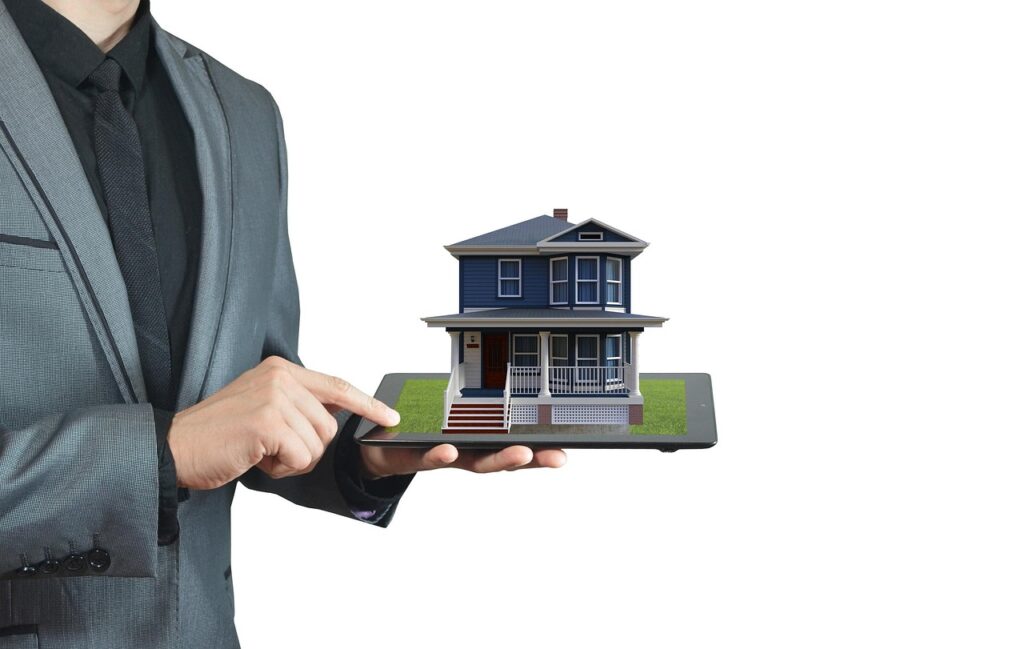

Across the globe, the real estate sector—once known for its slow adoption of new tools—is now buzzing with a wave of technology that promises to make buying, selling, managing, and even living in properties smoother than ever before. Investors, developers, landlords, and tenants alike are all watching closely because these tools can cut costs, improve transparency, and create more sustainable spaces. As cities grow denser and digital expectations rise, the pressure to modernize property operations has never been higher. This surge in interest is not just hype; it is backed by measurable outcomes from companies that have already embraced PropTech—short for property technology, which refers to the application of software, data analytics, and innovative platforms to the real‑estate industry. The following deep‑dive explains why PropTech matters now, showcases concrete examples, and looks ahead to the next wave of research.
📝 Article Overview
What Is PropTech?
PropTech—short for property technology—covers any digital tool, platform, or service that improves how real estate is bought, sold, rented, built, or managed. Think of it as the real‑estate equivalent of fintech, which modernized banking and payments. PropTech can include everything from online listing portals that replace newspaper ads to sensor‑based building management systems that automatically adjust heating and lighting. The core idea is to replace manual, paper‑based, or fragmented processes with integrated, data‑driven solutions that save time, reduce errors, and enhance experiences for all stakeholders.
In recent years, the rise of cloud computing, affordable IoT (Internet of Things) devices, and AI (artificial intelligence) has made it possible for even small property firms to adopt sophisticated technology without massive upfront investment. As a result, PropTech has moved from niche startups to mainstream adoption across residential, commercial, and industrial real estate. Below is a quick comparison of traditional methods versus modern PropTech solutions. cloud computing affordable
| Traditional Approach | PropTech Solution |
|---|---|
| Paper lease agreements | Digital lease platforms (e‑signatures, automated renewals) |
| Manual rent collection | Online payment gateways with auto‑reminders |
| Physical property tours | Virtual tours and 3D walkthroughs |
| Static building maintenance logs | IoT‑enabled predictive maintenance dashboards |
Key PropTech Advancements
1. Smart Building Automation
Smart building automation refers to the integration of sensors, actuators, and software that control a building’s climate, lighting, and security in real time. Companies like Siemens and Johnson Controls have rolled out platforms that learn occupancy patterns and adjust HVAC (heating, ventilation, and air‑conditioning) accordingly.
These systems reduce energy waste by only heating or cooling spaces when needed, and they can alert facilities teams to equipment failures before they become costly breakdowns. By collecting continuous data, the platforms also generate reports that help owners meet sustainability certifications such as LEED (Leadership in Energy and Environmental Design).
- Why It Works:
- Data‑driven adjustments cut energy use by up to 30%.
- Predictive alerts prevent expensive emergency repairs.
- Automated reporting simplifies compliance with green building standards.
2. AI‑Powered Property Valuation
Artificial intelligence models analyze vast datasets—including recent sales, neighborhood demographics, school ratings, and even satellite imagery—to estimate a property’s market value. Platforms such as Zillow’s Zestimate and Redfin’s AI estimator have made instant, algorithmic valuations accessible to consumers.
These tools democratize information that used to require a professional appraiser, allowing sellers to price homes more accurately and buyers to negotiate with confidence. The models continuously improve as they ingest new transaction data, making predictions increasingly reliable over time.
- Why It Works:
- Machine learning identifies subtle price drivers that humans might overlook.
- Real‑time data ensures valuations reflect current market conditions.
- Transparency builds trust between buyers, sellers, and agents.
3. Blockchain‑Based Title Transfers
Blockchain—a distributed ledger technology that records transactions securely and transparently—can be used to store property titles and record ownership changes. Projects like Propy and Bitfury’s Land Registry have piloted blockchain solutions that reduce the time and cost of title searches. Blockchaina distributed ledger
By creating an immutable (unchangeable) record of ownership, blockchain minimizes fraud and eliminates the need for multiple intermediaries such as escrow agents and county clerks. The result is a faster, cheaper, and more trustworthy transfer process.
- Why It Works:
- Immutable records prevent title fraud and disputes.
- Smart contracts automate payment and deed transfer upon condition fulfillment.
- Reduced paperwork speeds up closing timelines.
4. IoT‑Enabled Space Utilization Analytics
Internet of Things sensors—small devices that detect motion, temperature, and occupancy—can be placed throughout an office or co‑working space to monitor how areas are used. Companies like VergeSense and Density provide dashboards that show which rooms are under‑ or over‑utilized.
These insights help landlords redesign floor plans, lease underused space to new tenants, or implement flexible work‑from‑home policies that align with actual usage patterns. The data also supports sustainability goals by reducing unnecessary lighting and HVAC output in vacant zones.
- Why It Works:
- Real‑time occupancy data reveals hidden inefficiencies.
- Evidence‑based redesigns improve tenant satisfaction.
- Optimized space reduces operational costs and carbon footprint.
5. Virtual Reality (VR) and Augmented Reality (AR) Tours
VR and AR technologies create immersive, interactive experiences that let prospective buyers or renters explore properties without physically being there. Platforms such as Matterport and Cupix generate 3D models that can be viewed on smartphones, browsers, or VR headsets.
These tours accelerate the decision‑making process, especially for out‑of‑area investors, and reduce the number of unnecessary in‑person visits. They also enable designers to visualize renovation concepts in situ, allowing stakeholders to approve changes before construction begins. These tours accelerate
- Why It Works:
- Immersive visuals convey space, layout, and ambiance better than photos.
- Remote viewing expands the pool of potential tenants and buyers.
- Early visualization reduces costly redesigns during construction.
Real-World Benefits
✔ Faster Lease Processing
Digital lease platforms automate document generation, e‑signatures, and payment collection, cutting the average lease signing time from weeks to days.
✔ Reduced Energy Bills
Smart automation systems adjust heating, cooling, and lighting based on real‑time occupancy, delivering up to 30% savings on utility expenses.
✔ Improved Tenant Retention Improved Tenant Retention
Responsive maintenance alerts and convenient online portals increase tenant satisfaction, leading to longer lease terms and lower turnover costs.
✔ Greater Market Transparency
AI valuation tools provide instant, data‑backed price estimates, empowering buyers and sellers to negotiate with clearer expectations.
✔ Lower Transaction Costs
Blockchain title transfers eliminate many intermediaries, reducing closing costs and shortening the time to ownership. Blockchain title transfers
✔ Optimized Space Utilization
IoT occupancy analytics help landlords reconfigure floor plans, lease surplus space, and align building services with actual demand.
What Researchers Are Working On
- AI‑Driven Predictive Rental Pricing
Researchers aim to create models that forecast rent fluctuations months in advance by analyzing macro‑economic indicators, local employment trends, and seasonal demand patterns.
- Digital Twin Integration for Asset Management
Digital twins—virtual replicas of physical buildings—will be linked with real‑time sensor data to simulate energy performance, structural health, and occupant comfort.
- Decentralized Finance (DeFi) for Real Estate Investment
Explorations focus on tokenizing property assets on blockchain platforms, allowing fractional ownership and liquidity similar to stock markets. tokenizing property assets
- Enhanced AR for Renovation Planning
Future AR applications will overlay design options directly onto existing spaces via mobile devices, enabling instant cost estimates and material selections.
- Privacy‑Preserving Data Sharing Frameworks
Researchers are developing cryptographic techniques that let multiple parties share property data for analytics without exposing sensitive personal information.
| PropTech Category | Key Example | Primary Benefit |
|---|---|---|
| Smart Building | Siemens Desigo CC | Energy efficiency and predictive maintenance |
| Valuation AI | Zillow Zestimate | Accurate pricing and market transparency |
| Blockchain Title | Propy | Reduced fraud and faster closings |
| IoT Analytics | Density | Optimized space usage and cost savings |
Final Thoughts
PropTech is reshaping every facet of the real‑estate ecosystem by turning manual processes into data‑driven, automated experiences. Real‑world examples—from smart HVAC controls to blockchain title registries—demonstrate measurable cost reductions, sustainability gains, and improved stakeholder satisfaction. As research pushes the boundaries of AI, digital twins, and decentralized finance, the industry is poised for even deeper integration of technology, making property management more intelligent, transparent, and efficient than ever before.