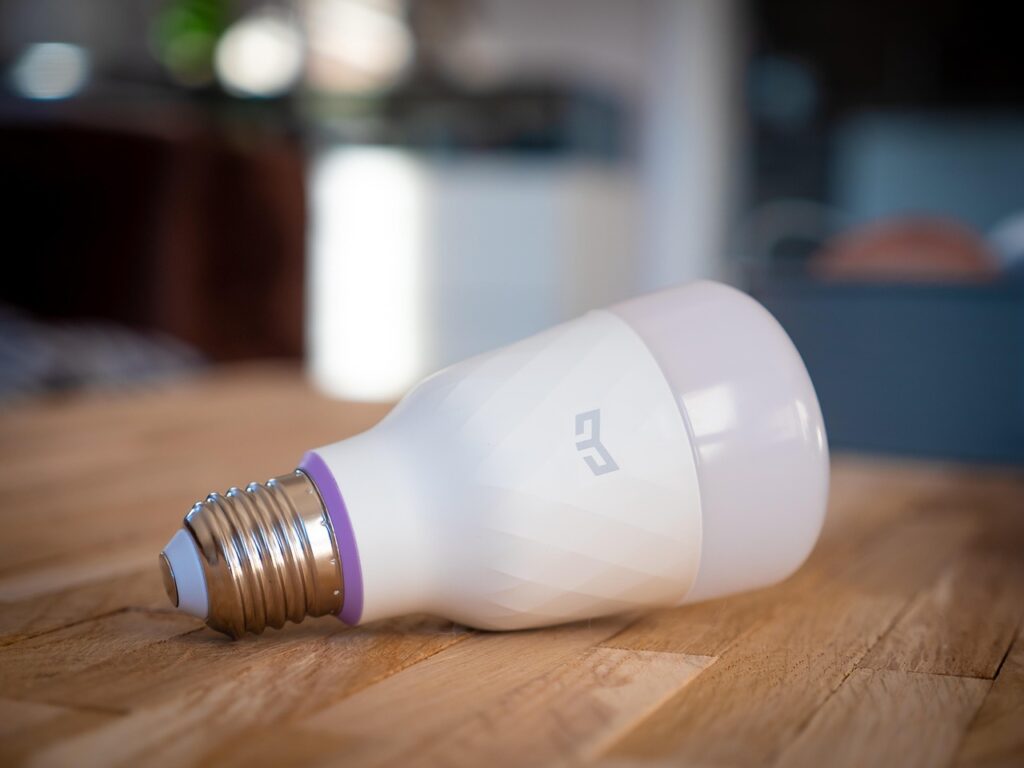

Most people think that simply adding a few smart devices to a home or office automatically creates a seamless Internet of Things (IoT) experience. In reality, the real challenge lies in integrating hardware, software, and data streams into a coherent, secure, and scalable system. Choosing the right approach matters because a mismatched solution can lead to data silos, security vulnerabilities, and wasted budget. Here’s the key thing to understand: the IoT market in 2026 offers a dizzying array of platforms, protocols, and services, each with its own trade‑offs. Most people miss this nuance and end up picking a tool that fits a single use case but fails when the environment grows. This guide untangles the confusion, compares the leading options side by side, and equips the reader with a decision framework that translates into real‑world success.
📝 Article Overview
Defining IoT in 2026
Before diving into specific platforms, it helps to clarify what IoT actually encompasses today. At its core, IoT is the network of physical objects—sensors, actuators, appliances, vehicles, wearables—that collect and exchange data over the internet. In 2026, the definition has expanded to include edge‑compute nodes that preprocess data locally, AI‑enabled analytics that turn raw streams into actionable insights, and interoperable standards that promise cross‑vendor compatibility. Understanding these layers—device, connectivity, edge, cloud, and analytics—is essential for evaluating any solution.
Equally important is the distinction between vertical‑focused IoT (such as industrial automation, smart agriculture, or health monitoring) and horizontal platforms that aim to serve many sectors with a common foundation. Most people mistake a horizontal platform for a one‑size‑fits‑all answer, but the reality is that vertical nuances often dictate the required protocols, data models, and compliance requirements. Recognizing this helps avoid costly re‑engineering later. distinction between verticalfocused
| Metric | Why It Matters |
|---|---|
| Scalability | Determines whether the system can grow from a handful of devices to millions without performance loss. |
| Security Posture | Protects data integrity and privacy, a non‑negotiable factor for consumer trust and regulatory compliance. |
| Interoperability | Ensures devices from different manufacturers can communicate, reducing vendor lock‑in. |
| Cost of Ownership | Includes upfront licensing, ongoing data fees, and maintenance—critical for budgeting. |
Leading IoT Solutions
1. Amazon Web Services IoT Core
AWS IoT Core provides a managed cloud service that connects billions of devices securely and routes data to AWS analytics, storage, and AI services. It supports MQTT, HTTP, and LoRaWAN, making it flexible for many deployment scenarios.
- Strengths:
- Deep integration with the broader AWS ecosystem.
- Robust security features including mutual TLS and fine‑grained policies.
- Scalable serverless architecture that handles massive device fleets.
- Current Limitations:
- Pricing can become complex as data volume grows.
- Steeper learning curve for developers unfamiliar with AWS services.
Best for: Enterprises that already rely on AWS and need a highly scalable, secure backbone.
2. Microsoft Azure IoT Hub
Azure IoT Hub is Microsoft’s flagship IoT service, offering bi‑directional communication, device provisioning, and integration with Azure AI, Time Series Insights, and Digital Twins.
- Strengths:
- Comprehensive device management and provisioning at scale.
- Native support for Azure Digital Twins, enabling sophisticated modeling.
- Strong compliance certifications for regulated industries.
- Current Limitations:
- Complex pricing tiers that can surprise budgeting teams.
- Requires Azure‑centric skill set for optimal use.
Best for: Organizations invested in Microsoft technologies and seeking advanced digital twin capabilities. seeking advanced digital
3. Google Cloud IoT Core (Legacy)
While Google announced the deprecation of its original IoT Core, the transition to Edge‑First architectures like Anthos and Cloud Edge continues. The current offering focuses on edge‑centric processing with seamless integration to BigQuery and Vertex AI.
- Strengths:
- Powerful data analytics pipeline with BigQuery.
- Edge‑first design reduces latency for time‑critical applications.
- Strong AI/ML services for predictive insights.
- Current Limitations:
- Legacy IoT Core is no longer available, requiring migration.
- Edge deployment requires expertise in Anthos or GKE.
Best for: Data‑driven projects that prioritize analytics and machine learning at the edge.
4. Bosch IoT Suite
Bosch offers an end‑to‑end IoT platform that emphasizes industrial-grade reliability, on‑premises deployment options, and a strong focus on device‑level security.
- Strengths:
- Hybrid deployment (cloud, on‑prem, edge) for strict data residency needs.
- Proven track record in manufacturing and automotive sectors.
- Built‑in OTA update management and device lifecycle tools.
- Current Limitations:
- Less extensive third‑party app marketplace compared with larger cloud providers.
- Higher upfront licensing costs for enterprise editions.
Best for: Industries where uptime, data sovereignty, and rugged device support are paramount. Industries where uptime
5. ThingsBoard Open‑Source
ThingsBoard is a community‑driven, open‑source IoT platform that provides rule‑engine, dashboards, and device management. It can be self‑hosted or run on major cloud providers.
- Strengths:
- Zero licensing fees for the community edition.
- Highly customizable rule engine and UI widgets.
- Supports MQTT, CoAP, HTTP, and LwM2M protocols.
- Current Limitations:
- Enterprise features (high‑availability, advanced security) require paid subscription.
- Support relies on community forums unless a commercial contract is purchased.
Best for: Start‑ups and developers who need flexibility without large upfront costs.
| Option | Best For | Difficulty | Cost | Speed |
|---|---|---|---|---|
| AWS IoT Core | Large enterprises on AWS | Medium‑High | Pay‑as‑you‑go, can rise with volume | Fast provisioning, low latency |
| Azure IoT Hub | Microsoft‑centric firms | Medium | Tiered pricing, enterprise discounts | Optimized for Azure services |
| Google Edge‑First | Analytics‑heavy workloads | High | Consumption‑based, can be cost‑effective | Edge processing reduces round‑trip time |
| Bosch IoT Suite | Industrial & automotive | Medium | Higher upfront licensing, predictable OPEX | Reliable, deterministic performance |
| ThingsBoard | Start‑ups, hobbyists | Low‑Medium | Free community, optional paid support | Depends on hosting choice |
How to Choose the Right One
First, identify the primary business objective. Is the goal to collect sensor data for predictive maintenance, enable real‑time user experiences, or build a data‑rich AI model? The objective determines which part of the IoT stack—device management, edge analytics, or cloud AI—needs the strongest emphasis.
Second, evaluate existing technology investments. Organizations already using AWS, Azure, or Google Cloud will benefit from native integration, reducing the time needed for custom connectors. Attempting to force a foreign platform into a mature ecosystem often creates hidden integration costs. Second evaluate existing
Third, assess the security and compliance requirements. Industries such as healthcare, finance, and critical infrastructure must adhere to regulations like HIPAA, GDPR, or IEC 62443. Platforms that provide built‑in certificate management, role‑based access control, and audit logging simplify compliance work.
Fourth, consider the scale and latency expectations. If the deployment involves millions of low‑power sensors spread across a wide area, a solution with strong MQTT support and edge‑compute capabilities (e.g., AWS IoT Greengrass or Google Edge‑First) will keep bandwidth costs low while delivering near‑real‑time responses.
Finally, factor in the total cost of ownership. While open‑source options appear cheap, the hidden expense of staffing, maintenance, and eventual scaling can outweigh initial savings. Conversely, a managed service with transparent consumption pricing may be more economical over a multi‑year horizon.
The Impact on Consumers
When the right IoT platform is selected, consumers experience devices that respond instantly, creating a sense of reliability that drives adoption. Seamless updates delivered through a robust OTA system keep products secure without user intervention, reducing frustration and support calls. selected consumers experience
Accurate data collection paired with AI analytics enables personalized experiences—smart thermostats that learn preferences, wearables that predict health trends, and vehicles that adapt driving dynamics. These benefits translate into tangible time savings and enhanced well‑being.
Improved security posture protects personal information, building trust that encourages users to share data voluntarily, which in turn fuels richer services. A platform that respects privacy and offers transparent controls reassures even the most cautious customers.
Scalable solutions prevent service degradation as more devices join the network, ensuring that early adopters do not face performance bottlenecks later. This stability is crucial for smart‑city initiatives where public safety depends on reliable sensor feeds.
Lower operational costs for providers often cascade down to lower subscription fees or device prices, making IoT technology accessible to a broader audience. Affordability expands the market and encourages innovation at the consumer level. Lower operational costs
Finally, the ability to integrate across brands and ecosystems eliminates the frustration of fragmented ecosystems. Consumers can mix and match devices from different manufacturers while maintaining a unified control interface, delivering a cohesive smart‑home or smart‑workplace experience.
Wrapping Up
Choosing an IoT solution in 2026 requires a clear view of objectives, existing investments, security needs, scalability, and total cost. By comparing the leading platforms across these dimensions, readers can align technology choices with business outcomes. The decision framework outlined here turns complexity into confidence, enabling successful IoT deployments that benefit both organizations and end‑users.