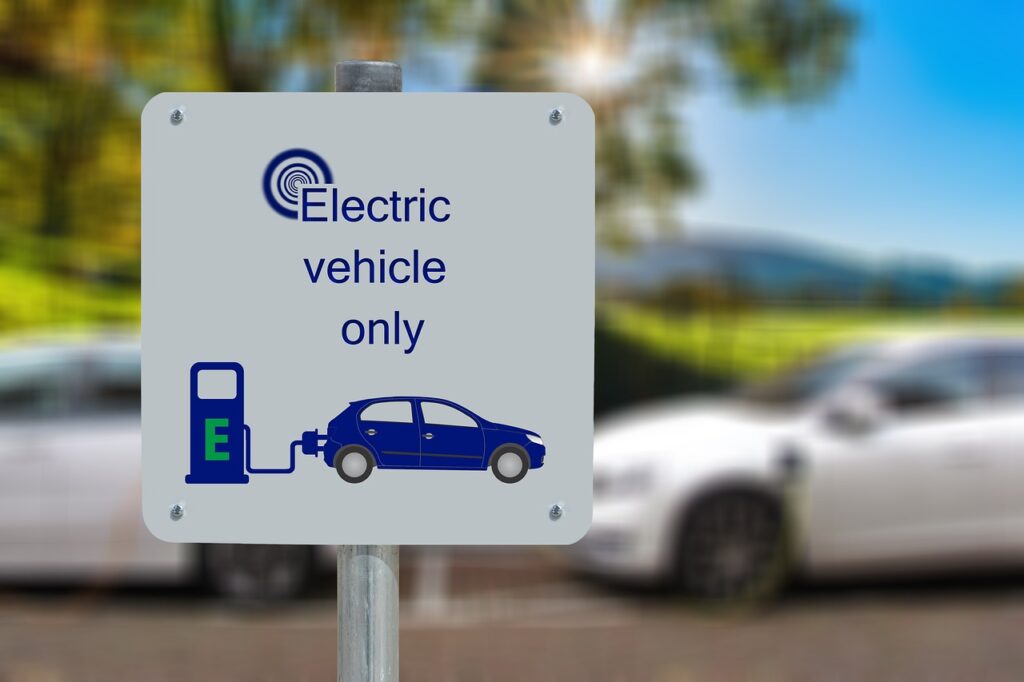

Surprising fact: In 2023, over 10% of new car registrations in the United States were electric vehicles (EVs), yet a recent survey found that 42% of first‑time EV owners made at least one avoidable mistake within the first six months.
If you have just stepped into the world of electric cars, you might feel a mix of excitement and uncertainty. This guide is written for the complete beginner who wants to avoid the common traps that catch many new EV owners. By the end, you will know exactly what to watch out for, why it matters, and how to make the most of your electric ride.
📝 Article Overview
What Does Electric Vehicles (Common Mistakes) Mean?
In plain language, “electric vehicles (common mistakes)” refers to the typical errors that people new to EVs often make, such as misjudging range, ignoring charging etiquette, or overlooking maintenance specifics. plain language electric
| Term | Plain-English Meaning |
|---|---|
| Range anxiety | Worry that the car will run out of battery before reaching a charger. |
| Regenerative braking | A system that recovers energy when you slow down, turning it back into battery power. |
| Level 2 charger | A 240‑volt home or public charger that can refill an EV battery faster than a standard wall outlet. |
| State of charge (SoC) | The current percentage of battery capacity that is filled. |
| Battery management system (BMS) | Electronics that monitor and protect the battery, ensuring safe charging and discharging. |
| Cold‑weather degradation | Reduced battery performance and range when temperatures drop. |
Why Electric Vehicles (Common Mistakes) Matters
Understanding and avoiding these mistakes matters because the financial and environmental benefits of EVs can evaporate quickly if the vehicle is misused. For example, a driver who habitually charges to 100% every night may shorten battery life, leading to a costly replacement that can run $5,000‑$10,000 sooner than expected.
Who benefits? The individual owner saves money on fuel and maintenance, while society gains lower emissions. In Norway, where EV adoption is highest, avoiding range‑related errors has helped keep average per‑vehicle emissions 70% lower than comparable gasoline cars.
Real‑world impact can be seen in fleet operations. A delivery company that educated its drivers about optimal charging schedules reduced downtime by 15% and cut energy costs by 12% within a year, illustrating that even small habit changes scale up to major savings.
Top Electric Vehicles (Common Mistakes) Innovations to Know
1. Accurate Range Estimation
This feature provides a realistic projection of how many miles remain before the battery needs recharging, using real‑time data such as speed, terrain, and temperature.
To use it, simply monitor the dashboard readout and compare it to your planned trip distance. If the estimate drops below your required mileage, plan a charging stop using the vehicle’s navigation system. planned trip distance
Common beginner mistake: Ignoring the estimate and relying solely on the advertised maximum range.
- Key Benefits:
- Reduces range anxiety by giving actionable information.
- Helps plan efficient routes and avoid unnecessary stops.
2. Scheduled Charging
Scheduled charging lets you set a specific time for the battery to charge, often aligning with off‑peak electricity rates.
Program the start time via the car’s infotainment screen or companion app, then plug in the charger. The system will begin charging at the designated hour and stop when the target SoC is reached.
Common beginner mistake: Leaving the car plugged in continuously, causing the battery to stay at 100% for long periods.
- Key Benefits:
- Saves money by using cheaper electricity.
- Extends battery lifespan by avoiding prolonged full charges.
3. Pre‑conditioning the Cabin
Pre‑conditioning warms or cools the interior while the car is still plugged in, using grid electricity instead of battery power. using grid electricity
Activate the feature from the app before you depart; the system will reach the desired temperature before you start driving, preserving range.
Common beginner mistake: Ignoring pre‑conditioning and using battery power for heating or cooling right after departure.
- Key Benefits:
- Improves comfort without sacrificing driving range.
- Reduces energy draw from the battery during initial miles.
4. Using Level 2 Home Chargers
A Level 2 charger supplies 240‑volt power, refilling an EV’s battery roughly three to four times faster than a standard 120‑volt outlet.
Install the charger in your garage or driveway, then plug in after each trip. Most chargers allow you to set a maximum SoC to stop charging automatically.
Common beginner mistake: Relying solely on a slow 120‑volt charger, leading to frequent low‑battery situations. Common beginner mistake
- Key Benefits:
- Convenient overnight charging to near‑full capacity.
- Reduces the need for public charging stops.
5. Monitoring Battery Health via BMS
The Battery Management System (BMS) continuously checks voltage, temperature, and overall health of each cell in the pack.
Access BMS data through the vehicle’s diagnostics menu or a dedicated app to see trends. If the system flags degradation, adjust charging habits or consult a specialist.
Common beginner mistake: Assuming the battery is always at peak performance and never checking health metrics.
- Key Benefits:
- Early detection of issues prevents costly repairs.
- Optimizes charging strategy for longevity.
6. Planning for Cold‑Weather Degradation
Cold temperatures slow the chemical reactions inside the battery, reducing range by up to 40% in extreme conditions.
Mitigate the effect by parking in a garage, using pre‑conditioning, and avoiding fast charging in sub‑freezing weather when possible. garage using preconditioning
Common beginner mistake: Charging rapidly in very cold weather, which can stress the battery.
- Key Benefits:
- Maintains more consistent range during winter.
- Protects battery health from temperature‑related stress.
7. Understanding Public Charging Etiquette
Etiquette includes moving your car once charging is complete, not occupying a fast charger for extended periods, and respecting reserved spots.
Use the vehicle’s app to receive a notification when charging ends, then promptly relocate. If a spot is marked for a specific vehicle type, honor that restriction.
Common beginner mistake: Leaving the car plugged in after it’s fully charged, blocking the charger for others.
- Key Benefits:
- Fosters a cooperative charging environment.
- Avoids fines or penalties from charging network operators.
Quick Reference Table
| Step | What You Do | Expected Result |
|---|---|---|
| 1 | Check the real‑time range estimate before each trip. | Accurate planning, reduced range anxiety. |
| 2 | Set scheduled charging to off‑peak hours. | Lower electricity cost, longer battery life. |
| 3 | Pre‑condition the cabin while plugged in. | Comfort without draining range. |
| 4 | Install and use a Level 2 home charger. | Faster overnight charging, fewer public stops. |
| 5 | Monitor battery health via the BMS. | Early issue detection, optimized charging. |
| 6 | Apply cold‑weather strategies (garage, pre‑condition, avoid fast charge). | Stable range in winter, protected battery. |
| 7 | Follow public charging etiquette. | Smooth community charging experience, no fines. |
Frequently Asked Questions
What is the best way to charge an EV at home?
Installing a Level 2 charger in the garage and using scheduled charging during off‑peak hours provides the fastest, most cost‑effective home charging solution. using scheduled charging
How often should I charge to 100%?
For most modern EVs, charging to 80% for daily driving is ideal; reserve 100% only for long trips to preserve long‑term battery health.
Can I use any public charger with my EV?
Most public chargers use standardized connectors (like CCS or CHAdeMO); check your vehicle’s compatibility list before traveling.
Why does my range drop in cold weather?
Low temperatures slow battery chemistry and increase heating demands, which can cut usable range by up to 40% in extreme cold.
Is regenerative braking safe for the battery?
Yes—regenerative braking recovers energy that would otherwise be lost, reducing wear on the brake pads and extending overall efficiency.
The Bottom Line
By recognizing and correcting the most common beginner mistakes, new EV owners can maximize savings, extend battery life, and enjoy a smoother driving experience. Armed with the steps above, the transition to electric mobility becomes not just possible but rewarding.