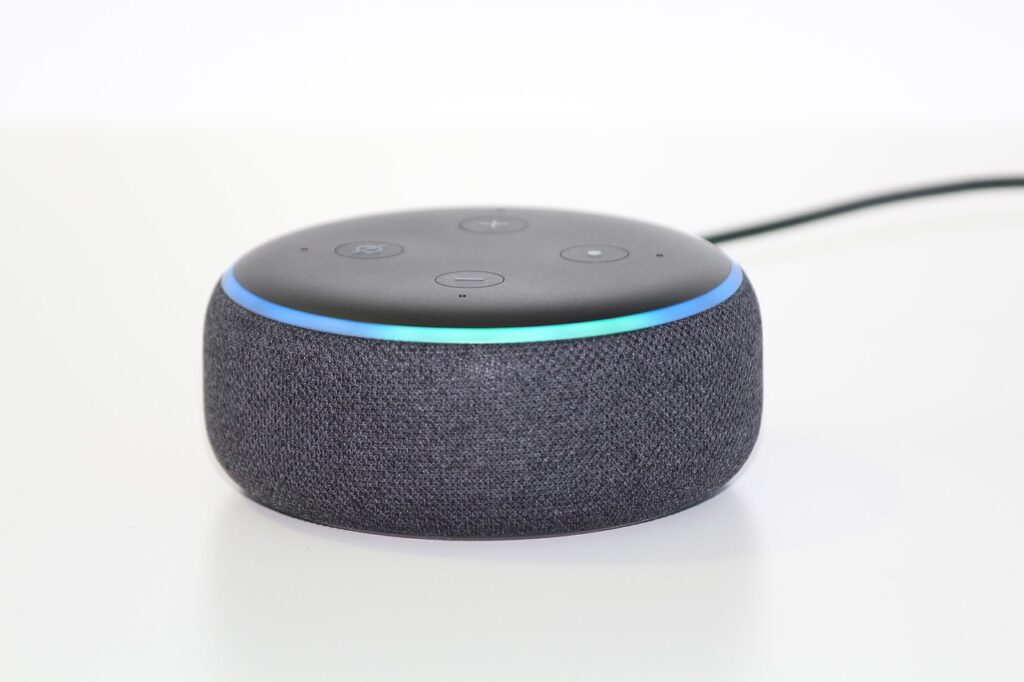

Imagine arriving home after a long day at work, only to find the lights still on, the thermostat set to an uncomfortable temperature, and the front door unlocked because the smart lock failed to engage. The frustration of a smart home that doesn’t work as promised can feel like a daily battle, draining both time and enthusiasm. In this scenario, the promise of convenience turns into a series of small but irritating problems that erode confidence in the technology. This is the exact pain point many homeowners face when their smart devices don’t communicate, fail to respond, or simply add complexity instead of simplifying life.
📝 Contents
Common Challenges With A Closer Look at Smart Home (case study)
Inconsistent Device Connectivity
Homeowners often discover that their smart bulbs, speakers, or cameras drop off the network at random intervals. The problem appears as devices becoming unresponsive, requiring a manual reboot or app refresh.
Why it happens: Most consumer-grade routers struggle with the sheer number of IoT connections, especially when they share bandwidth with streaming devices, leading to packet loss and dropped connections. happens Most consumergrade
Fragmented Ecosystem Integration
Many users juggle multiple apps for lighting, security, climate, and entertainment, each with its own interface and settings. This fragmentation creates a confusing user experience and duplicated effort.
Why it happens: Manufacturers often develop proprietary platforms to lock customers into their brand, resulting in limited cross-compatibility and a lack of unified control.
Security and Privacy Concerns
Homeowners worry that their smart cameras and voice assistants could be listening or recording without consent, especially after hearing headlines about data breaches. their smart cameras
Why it happens: Many devices ship with default passwords, outdated firmware, or insecure cloud storage, making them attractive targets for hackers.
Complex Automation Setup
Setting up automations like “turn off all lights when I leave” often requires navigating nested menus, conditional logic, and time delays, which can be overwhelming for non‑technical users.
Why it happens: Automation engines are designed for flexibility, not simplicity, and they assume a level of technical literacy that many homeowners do not possess. happens Automation engines
Energy Inefficiency Despite Smart Controls
Even with smart thermostats and lighting, users sometimes see higher utility bills because devices operate on suboptimal schedules or fail to coordinate with each other.
Why it happens: Without a central optimization algorithm, each device makes decisions in isolation, ignoring the broader energy usage patterns of the home.
Major Smart Home Developments
1. Unified Home Hub Integration
Implement a single, cloud‑agnostic hub that supports major protocols (Zigbee, Z‑Wave, Thread, Wi‑Fi) and consolidates control into one app. Begin by selecting a hub with open‑source firmware, such as Home Assistant, and install it on a dedicated Raspberry Pi or mini‑PC. Connect all existing devices to the hub, ensuring each device is added via its native integration rather than the manufacturer’s app. Once linked, create rooms and zones within the hub to organize devices logically. Finally, disable the original manufacturer apps to reduce redundancy. supports major protocols
- Why It Works:
- Reduces network chatter by centralizing communication.
- Eliminates the need to switch between multiple apps.
- Provides a single point for firmware updates and security patches.
2. Mesh Network Upgrade
Upgrade the home Wi‑Fi to a mesh system that offers dedicated backhaul channels for IoT traffic. Start by mapping out device locations and identifying weak signal zones. Place primary mesh nodes near the router and secondary nodes strategically in areas with high device density, such as the living room and garage. Enable IoT‑specific SSIDs with separate passwords to isolate smart devices from high‑bandwidth consumer traffic. Finally, configure QoS rules to prioritize latency‑sensitive devices like security cameras.
- Why It Works:
- Provides consistent coverage, reducing drop‑outs.
- Segregates traffic, minimizing interference.
- Improves overall network reliability for critical devices.
3. End‑to‑End Encryption Implementation
Secure every communication channel by enabling TLS/SSL on all devices that support it. First, access each device’s admin console and verify that the latest firmware is installed. Then, generate or import a trusted certificate authority (CA) and apply it to the device’s network settings. For devices lacking native TLS, route their traffic through a local reverse proxy (e.g., Nginx) that terminates and re‑encrypts the connection. Finally, enforce strong, unique passwords and enable two‑factor authentication on the hub and cloud accounts.
- Why It Works:
- Prevents eavesdropping and man‑in‑the‑middle attacks.
- Ensures data integrity across the home network.
- Provides compliance with modern privacy standards.
4. AI‑Driven Energy Optimization
Deploy an AI engine that learns occupancy patterns and adjusts climate and lighting accordingly. Install occupancy sensors in each major room and feed their data into the hub’s automation engine. Train the AI model using a month of baseline data, allowing it to predict when rooms will be used. Configure the thermostat and lighting to follow the AI’s recommendations, automatically dimming lights or adjusting temperature when spaces are unoccupied. Review weekly reports to fine‑tune thresholds. learns occupancy patterns
- Why It Works:
- Reduces unnecessary heating, cooling, and lighting.
- Adapts to real‑world usage rather than static schedules.
- Delivers measurable savings on utility bills.
5. Voice Assistant Contextualization
Enhance voice assistants with contextual awareness so commands are interpreted relative to location and time. Enable multi‑room audio groups and assign each speaker a room label within the hub. Create context rules such as “When I say ‘turn on the lights’ in the kitchen, only kitchen lights respond.” Test each rule using the assistant’s developer console, refining intents until false positives disappear. Integrate with the hub’s presence detection to allow commands like “I’m leaving” to trigger a full house shutdown.
- Why It Works:
- Prevents unintended device activation.
- Provides a natural, intuitive user experience.
- Aligns voice commands with actual user intent.
6. Automated Firmware Management
Set up a scheduled task that checks for firmware updates across all devices nightly and applies them after a brief validation window. Use the hub’s API to query each device’s current version and compare it against the manufacturer’s release feed. If an update is available, download it to a local cache, verify checksums, and install during off‑peak hours. Log each update and send a summary email to the homeowner for transparency.
- Why It Works:
- Ensures devices remain protected against known vulnerabilities.
- Reduces manual maintenance effort.
- Minimizes downtime by applying updates when the home is least occupied.
| Approach | Old Way | Better Way | Result |
|---|---|---|---|
| Device Management | Multiple vendor apps, manual updates | Unified hub with automated updates | Consistent performance, fewer security gaps |
| Network Reliability | Single router, congested Wi‑Fi | Mesh system with IoT SSID | Stable connections, reduced latency |
| Automation Complexity | Hard‑coded scripts per device | AI‑driven, centralized automations | Simpler setup, adaptive behavior |
| Security | Default passwords, no encryption | TLS everywhere, unique credentials | Reduced breach risk, privacy confidence |
| Energy Use | Static schedules, no coordination | AI optimization based on occupancy | Lower bills, greener footprint |
Practical Takeaways
In a suburban home, a family replaced three separate lighting apps with a unified hub, cutting the time spent adjusting scenes from fifteen minutes to under one minute each evening. family replaced three
A tech‑savvy couple installed a mesh Wi‑Fi system and saw their smart thermostat stop disconnecting, resulting in a more consistent indoor temperature and a 5% reduction in heating costs.
After enabling end‑to‑end encryption, a homeowner discovered that their security camera feed could no longer be accessed without proper authentication, eliminating a previous vulnerability that had been flagged by a security audit.
Using AI‑driven energy optimization, a single‑person apartment reduced nightly heating by 3°C during unoccupied hours, saving approximately $30 per month on the electricity bill.
By automating firmware updates, a rental property manager ensured all units remained up‑to‑date, preventing a widespread ransomware incident that affected neighboring non‑updated homes.
Step-by-Step Action Plan
- Audit every smart device and note its brand, protocol, and current app usage. This creates a clear inventory for planning.
- Choose a unified hub that supports all identified protocols and install it on a dedicated device. Centralization reduces fragmentation.
- Connect each device to the hub, removing it from its original app. Consolidation simplifies control.
- Upgrade the home network to a mesh system with separate IoT SSID. A stable network prevents connectivity loss.
- Enable TLS/SSL on all devices and set unique passwords. Strong security stops unauthorized access.
- Deploy an AI energy optimizer and configure occupancy sensors. Adaptive control lowers utility costs.
- Schedule nightly automated firmware checks and updates through the hub. Ongoing maintenance keeps the system secure.
Closing Thoughts
By addressing the root causes of smart home frustration—connectivity, integration, security, complexity, and inefficiency—homeowners can transform their living spaces into truly intelligent environments. The steps outlined provide a clear roadmap from a disjointed setup to a cohesive, secure, and energy‑savvy system. As technology continues to evolve, staying proactive will ensure the home remains a place of comfort and convenience for years to come.