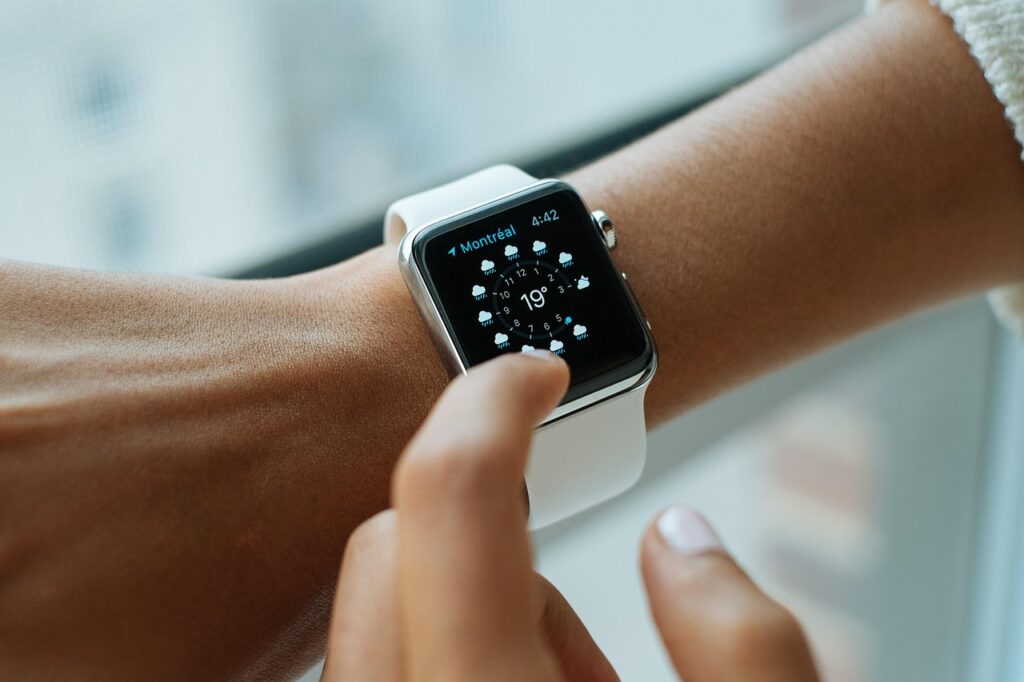

According to a report by Statista, the global wearable technology market is projected to reach 1.1 billion units by 2025, indicating a significant surge in the adoption of wearable devices. For beginners, this trend signifies a shift towards more personalized and accessible technology. Industry studies show that wearable technology has the potential to revolutionize various sectors, including healthcare and fitness. Data from 2022 suggests that 1 in 5 adults in the United States owns a wearable device, highlighting the growing demand for these devices. As the wearable technology market continues to expand, it is essential to understand its significance and applications.
&#; Quick Navigation
Defining Wearable Technology
Wearable technology refers to electronic devices that are designed to be worn on the body, either as an accessory or as part of clothing. These devices can track various physiological and physical parameters, such as heart rate, steps taken, and sleep patterns, providing users with valuable insights into their health and fitness.
| Term | Plain-English Meaning |
|---|---|
| Wearable Device | An electronic device designed to be worn on the body. |
| Fitness Tracker | A wearable device that tracks physical activity, such as steps taken and distance covered. |
| Smartwatch | A wearable device that combines the features of a watch and a computer, often including fitness tracking and notification alerts. |
| Health Monitoring | The use of wearable devices to track physiological parameters, such as heart rate and blood pressure. |
| GPS Tracking | The use of wearable devices to track geographical location and movement. |
| Bluetooth Connectivity | The ability of wearable devices to connect to other devices, such as smartphones, using Bluetooth technology. |
Why Wearable Technology Matters
Wearable technology has numerous benefits, including improved health outcomes, enhanced fitness, and increased convenience. According to a study published in the Journal of the American Medical Association, wearable devices can help individuals lose weight and improve their overall health. Data from 2020 suggests that 71% of fitness tracker users reported increased physical activity, highlighting the positive impact of wearable technology on fitness. Moreover, wearable devices can provide users with valuable insights into their sleep patterns, stress levels, and other physiological parameters, enabling them to make informed decisions about their health.
Industry studies show that wearable technology can also have a significant impact on the healthcare sector. For instance, wearable devices can be used to remotely monitor patients with chronic conditions, reducing the need for hospitalizations and improving health outcomes. A study by the National Institutes of Health found that wearable devices can help reduce hospital readmissions by 25% among patients with heart failure. Furthermore, wearable technology can facilitate early detection and prevention of diseases, such as diabetes and cardiovascular disease, by tracking physiological parameters and identifying potential health risks.
In addition to its health benefits, wearable technology can also enhance daily life by providing users with convenient access to information and entertainment. Smartwatches, for example, can receive notification alerts, play music, and even make phone calls, making them a versatile and practical accessory. According to a survey by Pew Research Center, 46% of smartwatch users reported using their device to receive notifications, while 36% used it to track their fitness and physical activity.
Latest Wearable Technology Trends
1. Advanced Health Monitoring
Advanced health monitoring refers to the use of wearable devices to track complex physiological parameters, such as blood glucose levels and blood pressure. These devices can provide users with valuable insights into their health, enabling them to make informed decisions about their well-being. To use advanced health monitoring, individuals can wear a device on their wrist or attach it to their clothing, allowing them to track their health parameters in real-time. However, a common beginner mistake is to rely solely on wearable devices for health monitoring, without consulting a healthcare professional.
- Why It Works: Advanced health monitoring can help individuals detect potential health risks early, enabling them to take preventive measures and improve their overall health.
- Why It Works: Wearable devices can provide users with personalized health recommendations, based on their unique physiological parameters and health goals.
2. GPS Tracking and Navigation
GPS tracking and navigation refer to the use of wearable devices to track geographical location and movement. These devices can provide users with turn-by-turn directions, enabling them to navigate unfamiliar areas with ease. To use GPS tracking and navigation, individuals can wear a device on their wrist or attach it to their clothing, allowing them to access maps and directions in real-time. However, a common beginner mistake is to rely solely on GPS tracking for navigation, without considering other factors such as weather and road conditions.
- Why It Works: GPS tracking and navigation can help individuals stay on course, reducing the risk of getting lost and improving their overall navigation experience.
- Why It Works: Wearable devices can provide users with real-time traffic updates, enabling them to avoid congested areas and optimize their route.
3. Smartwatch Apps and Integrations
Smartwatch apps and integrations refer to the use of wearable devices to access various applications and services, such as social media and music streaming. These devices can provide users with convenient access to information and entertainment, enhancing their overall user experience. To use smartwatch apps and integrations, individuals can download and install various apps on their device, allowing them to access a range of features and functionalities. However, a common beginner mistake is to overload their device with too many apps, reducing its performance and battery life.
- Why It Works: Smartwatch apps and integrations can help individuals stay connected and informed, providing them with convenient access to information and entertainment.
- Why It Works: Wearable devices can enable users to control their smart home devices, such as lights and thermostats, using voice commands or touch controls.
4. Fitness Tracking and Analysis
Fitness tracking and analysis refer to the use of wearable devices to track physical activity and provide insights into fitness and performance. These devices can provide users with detailed analysis of their workouts, enabling them to optimize their training and improve their overall fitness. To use fitness tracking and analysis, individuals can wear a device on their wrist or attach it to their clothing, allowing them to track their physical activity in real-time. However, a common beginner mistake is to focus solely on quantitative metrics, such as steps taken and distance covered, without considering qualitative factors such as technique and form.
- Why It Works: Fitness tracking and analysis can help individuals set and achieve fitness goals, providing them with personalized recommendations and insights into their performance.
- Why It Works: Wearable devices can enable users to track their progress over time, identifying areas for improvement and optimizing their training regimen.
5. Stress Monitoring and Management
Stress monitoring and management refer to the use of wearable devices to track stress levels and provide insights into mental well-being. These devices can provide users with personalized recommendations and strategies for managing stress, enabling them to improve their overall mental health. To use stress monitoring and management, individuals can wear a device on their wrist or attach it to their clothing, allowing them to track their stress levels in real-time. However, a common beginner mistake is to rely solely on wearable devices for stress management, without seeking support from mental health professionals.
- Why It Works: Stress monitoring and management can help individuals identify and manage stress triggers, reducing their risk of burnout and improving their overall well-being.
- Why It Works: Wearable devices can provide users with guided meditation and relaxation techniques, enabling them to reduce stress and improve their mental health.
6. Sleep Tracking and Optimization
Sleep tracking and optimization refer to the use of wearable devices to track sleep patterns and provide insights into sleep quality. These devices can provide users with personalized recommendations and strategies for improving sleep, enabling them to optimize their sleep regimen and improve their overall health. To use sleep tracking and optimization, individuals can wear a device on their wrist or attach it to their clothing, allowing them to track their sleep patterns in real-time. However, a common beginner mistake is to focus solely on sleep duration, without considering other factors such as sleep quality and consistency.
- Why It Works: Sleep tracking and optimization can help individuals identify and address sleep disorders, such as insomnia and sleep apnea, improving their overall sleep quality and health.
- Why It Works: Wearable devices can provide users with personalized sleep schedules, enabling them to establish a consistent sleep routine and improve their sleep quality.
7. Integration with Other Devices
Integration with other devices refers to the ability of wearable devices to connect and interact with other devices, such as smartphones and smart home devices. These devices can provide users with a seamless and integrated experience, enabling them to access a range of features and functionalities. To use integration with other devices, individuals can pair their wearable device with other devices, allowing them to access and control various features and services. However, a common beginner mistake is to overlook the importance of compatibility and interoperability, resulting in connectivity issues and reduced functionality.
- Why It Works: Integration with other devices can help individuals access a range of features and functionalities, enhancing their overall user experience and convenience.
- Why It Works: Wearable devices can enable users to control their smart home devices, such as lights and thermostats, using voice commands or touch controls.
| Step | What You Do | Expected Result |
|---|---|---|
| 1. Advanced Health Monitoring | Wear a device on your wrist or attach it to your clothing to track physiological parameters. | Improved health outcomes and early detection of potential health risks. |
| 2. GPS Tracking and Navigation | Wear a device on your wrist or attach it to your clothing to access maps and directions. | Improved navigation experience and reduced risk of getting lost. |
| 3. Smartwatch Apps and Integrations | Download and install various apps on your device to access a range of features and functionalities. | Convenient access to information and entertainment, and enhanced overall user experience. |
| 4. Fitness Tracking and Analysis | Wear a device on your wrist or attach it to your clothing to track physical activity and provide insights into fitness and performance. | Improved fitness and performance, and personalized recommendations for optimizing training regimen. |
| 5. Stress Monitoring and Management | Wear a device on your wrist or attach it to your clothing to track stress levels and provide insights into mental well-being. | Improved mental health and well-being, and reduced risk of burnout and stress-related disorders. |
| 6. Sleep Tracking and Optimization | Wear a device on your wrist or attach it to your clothing to track sleep patterns and provide insights into sleep quality. | Improved sleep quality and duration, and reduced risk of sleep disorders and related health problems. |
| 7. Integration with Other Devices | Pair your wearable device with other devices, such as smartphones and smart home devices, to access a range of features and functionalities. | Seamless and integrated experience, and enhanced overall user convenience and functionality. |
Frequently Asked Questions
1. What is Wearable Technology?
Wearable technology refers to electronic devices that are designed to be worn on the body, either as an accessory or as part of clothing. These devices can track various physiological and physical parameters, such as heart rate, steps taken, and sleep patterns, providing users with valuable insights into their health and fitness. Wearable technology can also provide users with convenient access to information and entertainment, enhancing their overall user experience.
2. How Does Wearable Technology Work?
Wearable technology works by using a range of sensors and technologies to track physiological and physical parameters. These sensors can include accelerometers, gyroscopes, and heart rate monitors, which can track movement, orientation, and physiological parameters. The data collected by these sensors is then transmitted to a connected device, such as a smartphone or computer, where it can be analyzed and interpreted. Wearable devices can also use wireless connectivity, such as Bluetooth or Wi-Fi, to connect to other devices and access a range of features and functionalities.
3. What are the Benefits of Wearable Technology?
The benefits of wearable technology include improved health outcomes, enhanced fitness, and increased convenience. Wearable devices can provide users with personalized recommendations and insights into their health and fitness, enabling them to make informed decisions about their well-being. Wearable technology can also provide users with convenient access to information and entertainment, enhancing their overall user experience and quality of life.
4. Are Wearable Devices Accurate?
The accuracy of wearable devices can vary depending on the device and the parameters being tracked. Some wearable devices, such as fitness trackers, can be highly accurate in tracking physical activity and physiological parameters. However, other devices, such as smartwatches, may be less accurate in tracking certain parameters, such as heart rate or sleep quality. It is essential to consult the manufacturer’s specifications and reviews to determine the accuracy of a wearable device.
5. Can Wearable Devices be Hacked?
Yes, wearable devices can be hacked, just like any other electronic device. Wearable devices can be vulnerable to cyber attacks, which can compromise user data and security. To minimize the risk of hacking, it is essential to use strong passwords, keep software up to date, and use secure connectivity protocols, such as encryption. Additionally, users should be cautious when connecting their wearable device to public Wi-Fi networks or sharing their data with third-party apps.
Worth Remembering
Wearable technology has the potential to revolutionize various aspects of our lives, from health and fitness to convenience and entertainment. As the wearable technology market continues to grow and evolve, it is essential to stay informed about the latest trends and developments. By understanding the benefits and limitations of wearable technology, individuals can make informed decisions about their use of these devices and maximize their potential. Wearable technology can have a significant impact on our daily lives, and it is worth exploring and learning more about its applications and possibilities.
Industry studies show that wearable technology can have a significant impact on the healthcare sector, from remote patient monitoring to early detection and prevention of diseases. Data from 2022 suggests that 62% of healthcare professionals believe that wearable technology can improve patient outcomes, highlighting the potential of these devices to transform the healthcare industry.
To wrap up, wearable technology is a rapidly evolving field that has the potential to transform various aspects of our lives. By understanding the benefits and limitations of wearable technology, individuals can make informed decisions about their use of these devices and maximize their potential. As the wearable technology market continues to grow and evolve, it is essential to stay informed about the latest trends and developments, and to explore the various applications and possibilities of these devices.