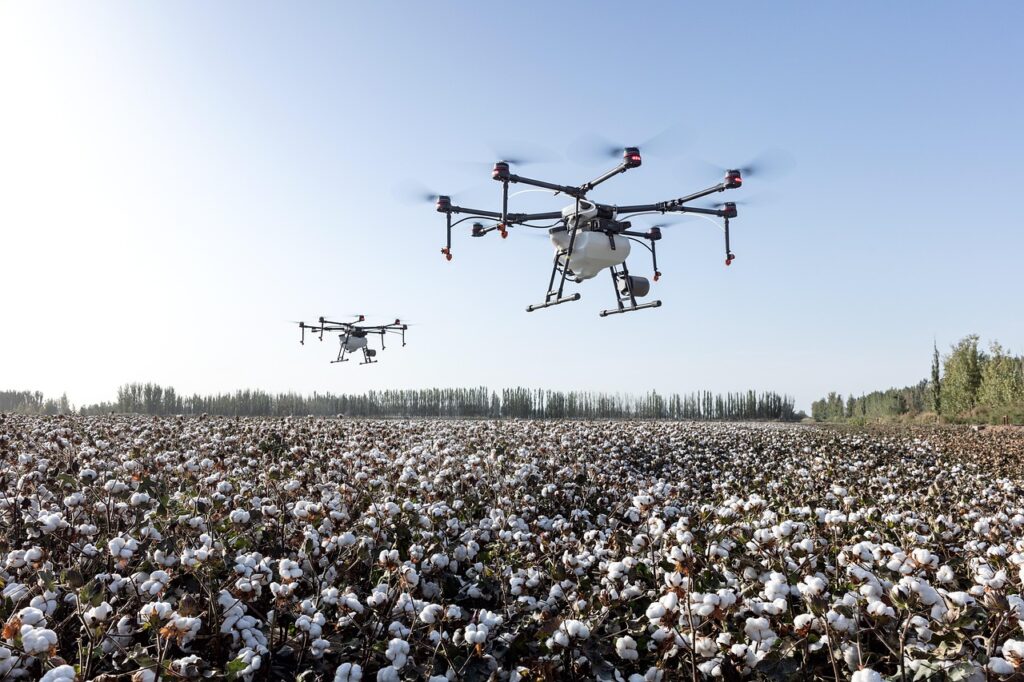

Are you considering how automation could change your work or business? Automation is increasingly prevalent, yet many are unsure what it entails or how it applies to their specific situation. Industry studies show that understanding automation can significantly impact one’s approach to work and business operations. Data from 2024 suggests that automation can boost productivity and efficiency. But what exactly is automation, and how does it affect different sectors?
For those new to the concept, starting with the basics is crucial. Automation refers to the use of technology to perform tasks automatically. This can range from simple mechanical systems to complex software solutions. As technology advances, so does the scope of what can be automated. But with so many possibilities, where does one start?
Understanding automation is not just about recognizing its potential; it’s also about grasping its current impact. According to recent analyses, automation has already begun to reshape multiple industries. This transformation is not limited to manufacturing or IT; it extends to healthcare, finance, and more. The question is, how does this affect you or your business?
With so much information available, it’s essential to focus on the facts. Industry reports indicate that automation can lead to significant cost savings and improved quality. However, the path to implementing automation is not without its challenges.
📝 Contents
A Closer Look at Automation
Automation involves using machines or computers to control and operate equipment or systems. This can be as straightforward as a timer on a thermostat or as complex as a fully automated assembly line. The key is that automation reduces the need for human intervention in the operation of machinery or processes. By automating tasks, businesses can enhance efficiency, reduce labor costs, and improve product quality.
| Term | Plain-English Meaning |
|---|---|
| Artificial Intelligence (AI) | The development of computer systems that can perform tasks that typically require human intelligence, such as understanding language or recognizing images. |
| Machine Learning (ML) | A subset of AI that involves training algorithms to learn from data and make decisions without being explicitly programmed for the task. |
| Internet of Things (IoT) | A network of physical devices, vehicles, home appliances, and other items that are embedded with sensors, software, and connectivity, allowing them to collect and exchange data. |
| Robotics | The design, construction, and operation of robots, which are machines that can be programmed to perform a variety of tasks, often mimicking human actions. |
| Automation Software | Programs designed to automate tasks, such as data entry, scheduling, and system monitoring, typically by using pre-defined rules or workflows. |
| Business Process Automation (BPA) | The use of technology to automate business processes, improving efficiency, reducing costs, and enhancing the overall quality of services or products. |
Why Automation Matters
Automation benefits numerous stakeholders, including businesses, employees, and consumers. For businesses, automation can lead to cost savings by reducing labor costs and improving efficiency. It also enables companies to offer higher-quality products or services, as automated systems can operate with greater precision and consistency than human workers. Furthermore, automation can enhance safety by removing workers from hazardous conditions, such as in manufacturing or construction.
Employees also benefit from automation, as it often leads to the creation of new job roles focused on managing, maintaining, and improving automated systems. While some tasks become automated, the need for skilled workers to oversee these processes increases. This shift can lead to upskilling and reskilling opportunities for the workforce. Automation can also improve working conditions by automating repetitive, mundane, or dangerous tasks, allowing workers to focus on more creative, strategic, or high-value tasks.
Consumers benefit from automation through improved product quality, faster delivery times, and potentially lower prices due to reduced production costs. Automated systems can operate around the clock without breaks, leading to increased productivity. Moreover, automation enables businesses to gather and analyze data more effectively, which can lead to better customer service and more personalized product offerings. According to industry reports, companies that have embraced automation have seen significant improvements in customer satisfaction and loyalty. automation through improved
Latest Automation Technologies
1. Artificial Intelligence (AI) Integration
AI integration involves incorporating artificial intelligence into automated systems to enable them to learn from data, make decisions, and adapt to new situations. This can be used in various applications, from customer service chatbots to predictive maintenance in manufacturing. To integrate AI, businesses must first identify areas where AI can add value, then select appropriate AI technologies and platforms, and finally, develop strategies for implementing and continuously improving AI-driven automation. A common beginner mistake is underestimating the complexity of integrating AI with existing systems.
- Key Benefits:
- Enhanced decision-making capabilities through data analysis
- Ability to automate complex tasks that previously required human judgment
2. Machine Learning (ML) for Predictive Maintenance
ML for predictive maintenance involves using machine learning algorithms to analyze data from equipment sensors to predict when maintenance is required, reducing downtime and increasing overall efficiency. Implementing ML for predictive maintenance requires collecting and labeling data from equipment, training ML models, and integrating these models with maintenance scheduling systems. A common mistake is failing to ensure data quality and relevance before training ML models.
- Key Benefits:
- Reduced unplanned downtime through proactive maintenance scheduling
- Lower maintenance costs by minimizing unnecessary repairs and extending equipment lifespan
3. Internet of Things (IoT) for Real-Time Monitoring
IoT for real-time monitoring involves using IoT devices and sensors to monitor processes, equipment, or environmental conditions in real time, enabling quick responses to changes or issues. To implement IoT monitoring, businesses must select appropriate IoT devices, develop or integrate software for data analysis and alert systems, and ensure secure connectivity and data privacy. A beginner mistake is overlooking the cybersecurity risks associated with IoT devices.
- Key Benefits:
- Improved responsiveness to changes or issues, reducing potential impacts
- Enhanced data-driven decision-making through real-time insights
4. Robotics Process Automation (RPA)
RPA involves using software robots or ‘bots’ to automate repetitive, rule-based digital tasks, such as data entry or document processing. Implementing RPA requires identifying suitable processes, selecting RPA software, designing and developing bot workflows, and monitoring bot performance. A common mistake is underestimating the need for ongoing maintenance and update of RPA bots.
- Key Benefits:
- Significant reduction in time spent on manual, repetitive tasks
- Improved accuracy and consistency in task execution
5. Business Process Automation (BPA) for Workflow Optimization
BPA for workflow optimization involves automating business processes to streamline workflows, reduce manual errors, and enhance productivity. This requires analyzing current workflows, identifying bottlenecks or areas for improvement, selecting BPA software, and designing and implementing automated workflows. A beginner mistake is failing to engage stakeholders and end-users in the design and testing of automated workflows.
- Key Benefits:
- Streamlined operations leading to faster cycle times and improved efficiency
- Enhanced transparency and visibility into business processes
6. Automation in Customer Service
Automation in customer service involves using technologies like chatbots, AI-powered chat systems, or automated phone systems to handle customer inquiries and support requests. Implementing customer service automation requires designing conversational flows, integrating automation tools with customer relationship management (CRM) systems, and continuously monitoring and improving automated responses. A common mistake is not providing a clear path for customers to escalate issues to human support agents when needed.
- Key Benefits:
- 24/7 customer support without the need for manual intervention
- Consistent and accurate responses to frequent customer queries
7. Data Analytics for Automation Optimization
Data analytics for automation optimization involves using data analysis tools to monitor and improve automated systems, ensuring they operate at optimal levels. This requires collecting and analyzing data from automated processes, identifying areas for improvement, and adjusting automation parameters accordingly. A beginner mistake is not regularly reviewing and updating analytics models to reflect changes in operations or market conditions.
- Key Benefits:
- Data-driven insights to optimize automation performance and efficiency
- Continuous improvement of automated processes through iterative analysis and adjustment
| Step | What You Do | Expected Result |
|---|---|---|
| 1. AI Integration | Integrate AI into automated systems for enhanced decision-making. | Improved automation capabilities through AI-driven insights. |
| 2. ML for Predictive Maintenance | Use ML to predict equipment maintenance needs. | Reduced downtime and maintenance costs through proactive scheduling. |
| 3. IoT for Real-Time Monitoring | Implement IoT for monitoring processes and equipment in real time. | Enhanced responsiveness and decision-making through real-time data. |
| 4. RPA | Automate repetitive digital tasks using software robots. | Significant reduction in manual labor and improvement in task accuracy. |
| 5. BPA for Workflow Optimization | Automate business processes to streamline workflows. | Improved operational efficiency and transparency. |
| 6. Automation in Customer Service | Use automation for customer support and inquiry handling. | 24/7 customer support with consistent and accurate responses. |
| 7. Data Analytics for Automation Optimization | Use data analytics to monitor and optimize automated systems. | Continuous improvement in automation performance and efficiency. |
Frequently Asked Questions
1. What is the primary benefit of automation in business?
The primary benefit of automation in business is the significant enhancement of efficiency and productivity, leading to cost savings and improved product or service quality. Automation allows businesses to streamline processes, reduce manual errors, and operate with greater consistency and speed. service quality Automation
2. How does automation impact employment?
Automation can lead to the displacement of certain jobs, particularly those involving repetitive or routine tasks. However, it also creates new job opportunities in fields related to the development, implementation, and maintenance of automated systems. Additionally, automation can lead to upskilling and reskilling of the workforce as employees transition to roles that complement automated processes.
3. What is the role of AI in automation?
AI plays a crucial role in automation by enabling systems to learn from data, make decisions, and adapt to new situations. AI integration into automated systems can significantly enhance their capabilities, allowing for more complex tasks to be automated and improving the overall efficiency and decision-making of automated processes.
4. Can small businesses benefit from automation?
Yes, small businesses can greatly benefit from automation. Automation is not limited to large-scale enterprises; small businesses can also automate various processes, such as customer service, data entry, or marketing tasks, to improve efficiency and reduce costs. The key is to identify areas where automation can add value and select appropriate, scalable automation solutions.
5. How secure is automation technology?
Automation technology, like any other digital system, carries cybersecurity risks, including the potential for data breaches or system vulnerabilities. However, many automation solutions are designed with security in mind, incorporating encryption, access controls, and regular updates to protect against threats. Businesses implementing automation must prioritize cybersecurity and regularly assess and enhance the security of their automated systems.
Wrapping Up
Automation is a transformative force across various industries, offering numerous benefits, from enhanced efficiency and productivity to improved product quality and customer satisfaction. By understanding the latest automation technologies and their applications, businesses and individuals can better position themselves for success in an increasingly automated world. Embracing automation requires a strategic approach, focusing on where automation can add the most value and ensuring that its implementation is aligned with overall business goals and objectives. With careful planning and execution, the potential of automation can be fully realized, driving growth, innovation, and progress.