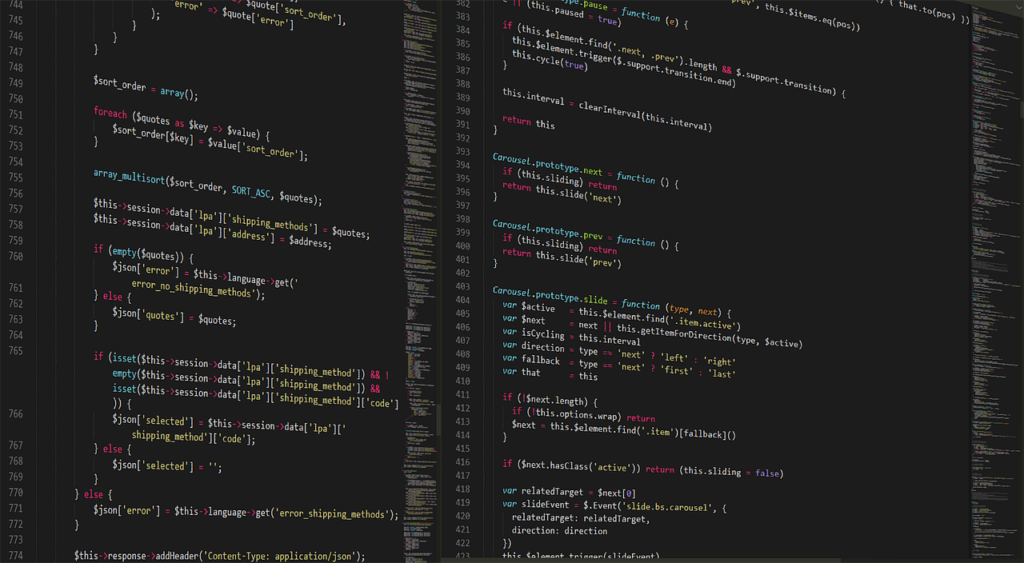

Many people assume that web development is all about coding and designing websites – a common misconception that overlooks the complexity and breadth of this field. In reality, web development encompasses a wide range of activities, including web engineering, web design, web content development, client-side and server-side scripting, and more. This misconception can lead to misunderstandings about the role of web developers and the impact of their work on businesses and individuals alike. As technology advances, the importance of web development continues to grow, with new trends and innovations emerging every year. The year 2026 is no exception, with several key developments expected to shape the future of the web. With the rise of new technologies, the web is becoming an even more integral part of daily life, making the role of web developers more critical than ever.
📝 What You'll Learn
What Is Web Development?
Web development – also known as web programming or web engineering (a term used to describe the process of designing, building, and maintaining websites and web applications using various programming languages and software tools) – refers to the work involved in developing a website or web application for the internet or an intranet. This process includes web design (the visual aspects of a website, including layout, colors, and graphics), content creation (the process of creating and editing content for a website, including text, images, and multimedia), client-side scripting (using programming languages like JavaScript to create interactive client-side effects), server-side scripting (using programming languages like PHP or Python to manage data and generate web pages on the server), and network security configuration (the process of protecting a website from cyber threats by configuring firewalls, encrypting data, and implementing other security measures). Essentially, web development is about building and maintaining websites and web applications that are user-friendly, efficient, and secure.
To understand web development better, it’s helpful to consider the different types of web development, including front-end development (focusing on the client-side, or the user interface and user experience of a website), back-end development (focusing on the server-side, or the behind-the-scenes logic and database integration of a website), and full-stack development (a combination of both front-end and back-end development). Each type of web development requires a unique set of skills and expertise, and web developers may specialize in one or more areas depending on their interests and career goals.
| Type of Web Development | Description | Key Skills |
|---|---|---|
| Front-end Development | Focusing on the client-side of a website, including user interface and user experience | HTML, CSS, JavaScript |
| Back-end Development | Focusing on the server-side of a website, including database integration and server-side logic | Java, Python, PHP |
| Full-stack Development | Combining front-end and back-end development skills to work on all layers of a website | HTML, CSS, JavaScript, Java, Python, PHP |
| Database Administration | Focusing on the management and maintenance of databases to support website functionality | SQL, Oracle, MySQL |
Top Web Development Innovations to Know
1. Progressive Web Apps (PWAs)
Progressive web apps (PWAs) – a type of web application that uses modern web technologies to provide a native app-like experience to users, including features like push notifications, offline support, and home screen installation – are becoming increasingly popular in 2026. This is because PWAs offer a range of benefits, including improved user engagement, increased conversions, and enhanced customer satisfaction. By using technologies like service workers (a type of web worker that allows web applications to manage network requests and cache resources) and web manifests (a JSON file that provides metadata about a web application), developers can create PWAs that are fast, secure, and reliable. native applike experience
The key to building successful PWAs is to focus on the user experience, ensuring that the app is easy to use, responsive, and provides a seamless experience across different devices and platforms. This requires careful consideration of factors like page load times, navigation, and content layout, as well as the use of modern web technologies like HTML5, CSS3, and JavaScript. By doing so, businesses can create PWAs that drive real results, from increased sales and revenue to improved customer loyalty and retention. building successful PWAs
- Advantages: learn how this works
- Improved user engagement and conversion rates
- Enhanced customer satisfaction and loyalty
- Increased reach and accessibility across different devices and platforms
Enhanced customer satisfaction
2. Artificial Intelligence (AI) Integration
Artificial intelligence (AI) integration – the process of using AI technologies like machine learning (a type of AI that enables systems to learn from data and improve their performance over time) and natural language processing (a type of AI that enables systems to understand and generate human language) to enhance the functionality and user experience of websites and web applications – is another key trend in web development in 2026. By leveraging AI, developers can create more personalized, interactive, and dynamic web experiences that meet the evolving needs of users.
One of the most significant benefits of AI integration is its ability to improve the accuracy and efficiency of web applications, from chatbots and virtual assistants to predictive analytics and recommendation engines. By analyzing large amounts of data and identifying patterns and trends, AI can help businesses make more informed decisions, optimize their operations, and drive growth and innovation. Moreover, AI can also enhance the security and reliability of web applications, detecting and preventing threats like cyber attacks and data breaches.
- Advantages:
- Improved accuracy and efficiency of web applications
- Enhanced personalization and user experience
- Increased security and reliability of web applications
3. Internet of Things (IoT) Connectivity
Internet of Things (IoT) connectivity – the process of connecting physical devices and objects to the internet, enabling them to collect and exchange data and interact with other devices and systems – is a rapidly growing trend in web development in 2026. By integrating IoT devices and sensors into web applications, developers can create more immersive, interactive, and dynamic experiences that bridge the physical and digital worlds.
The potential applications of IoT connectivity are vast and diverse, ranging from smart homes and cities to industrial automation and healthcare. By leveraging IoT technologies like Wi-Fi, Bluetooth, and RFID, businesses can create more efficient, productive, and sustainable systems and processes, from supply chain management and logistics to customer service and support. Moreover, IoT connectivity can also enhance the security and reliability of web applications, enabling real-time monitoring and alerts, predictive maintenance, and remote control and management.
- Advantages:
- Improved efficiency and productivity of systems and processes
- Enhanced customer experience and satisfaction
- Increased security and reliability of web applications
4. Blockchain Technology
Blockchain technology – a type of distributed ledger technology that enables secure, transparent, and tamper-proof data storage and exchange – is another key trend in web development in 2026. By integrating blockchain into web applications, developers can create more secure, reliable, and trustworthy systems and processes, from digital identity and authentication to supply chain management and financial transactions. distributed ledger technology
The benefits of blockchain technology are numerous and significant, ranging from improved security and transparency to increased efficiency and cost savings. By using blockchain, businesses can create more secure and reliable systems and processes, protecting sensitive data and preventing cyber threats like hacking and data breaches. Moreover, blockchain can also enhance the efficiency and productivity of systems and processes, automating tasks and workflows, reducing errors and discrepancies, and improving collaboration and communication.
- Advantages:
- Improved security and transparency of data storage and exchange
- Increased efficiency and productivity of systems and processes
- Enhanced trust and reliability of web applications
5. Virtual and Augmented Reality (VR/AR)
Virtual and augmented reality (VR/AR) – technologies that enable immersive, interactive, and dynamic experiences, blurring the boundaries between the physical and digital worlds – are becoming increasingly popular in web development in 2026. By integrating VR/AR into web applications, developers can create more engaging, interactive, and memorable experiences that drive user engagement, conversion, and retention.
The potential applications of VR/AR are vast and diverse, ranging from gaming and entertainment to education and training, marketing and advertising, and healthcare and therapy. By leveraging VR/AR technologies like head-mounted displays, controllers, and sensors, businesses can create more immersive and interactive experiences, enhancing the user experience and driving real results. Moreover, VR/AR can also enhance the accessibility and inclusivity of web applications, enabling users with disabilities to interact with digital content in new and innovative ways.
- Advantages:
- Improved user engagement and conversion rates
- Enhanced customer experience and satisfaction
- Increased accessibility and inclusivity of web applications
Practical Takeaways
✔ Improved User Experience Improved User Experience
The key to building successful web applications is to focus on the user experience, ensuring that the app is easy to use, responsive, and provides a seamless experience across different devices and platforms. This requires careful consideration of factors like page load times, navigation, and content layout, as well as the use of modern web technologies like HTML5, CSS3, and JavaScript. user experience ensuring
✔ Enhanced Security and Reliability Enhanced Security
Security and reliability are critical components of web development, ensuring that web applications are protected from cyber threats like hacking and data breaches. By using technologies like blockchain, AI, and IoT, developers can create more secure and reliable systems and processes, protecting sensitive data and preventing cyber threats. cyber threats like
✔ Increased Efficiency and Productivity
The use of technologies like AI, blockchain, and IoT can also enhance the efficiency and productivity of web applications, automating tasks and workflows, reducing errors and discrepancies, and improving collaboration and communication. By leveraging these technologies, businesses can create more efficient and productive systems and processes, driving growth and innovation.
✔ Better Data Analysis and Insights
Data analysis and insights are critical components of web development, enabling businesses to make more informed decisions, optimize their operations, and drive growth and innovation. By using technologies like AI and machine learning, developers can create more accurate and efficient data analysis and insights, driving real results and improving business outcomes.
✔ Improved Accessibility and Inclusivity
Accessibility and inclusivity are critical components of web development, ensuring that web applications are usable by everyone, regardless of their abilities or disabilities. By using technologies like VR/AR and IoT, developers can create more accessible and inclusive web applications, enabling users with disabilities to interact with digital content in new and innovative ways.
✔ Enhanced Customer Experience and Satisfaction
The customer experience and satisfaction are critical components of web development, driving user engagement, conversion, and retention. By using technologies like AI, blockchain, and IoT, developers can create more immersive, interactive, and dynamic experiences that meet the evolving needs of users, driving real results and improving business outcomes.
| Technology | Description | Benefits |
|---|---|---|
| Artificial Intelligence (AI) | A type of technology that enables systems to learn from data and improve their performance over time | Improved accuracy and efficiency, enhanced customer experience and satisfaction |
| Blockchain | A type of distributed ledger technology that enables secure, transparent, and tamper-proof data storage and exchange | Improved security and transparency, increased efficiency and cost savings |
| Internet of Things (IoT) | A type of technology that enables physical devices and objects to connect to the internet and interact with other devices and systems | Improved efficiency and productivity, enhanced customer experience and satisfaction |
| Virtual and Augmented Reality (VR/AR) | Technologies that enable immersive, interactive, and dynamic experiences, blurring the boundaries between the physical and digital worlds | Improved user engagement and conversion rates, enhanced customer experience and satisfaction |
What to Expect Next
- Increased adoption of AI and machine learning in web development, driving more accurate and efficient data analysis and insights
- Growing demand for blockchain technology, enabling more secure, transparent, and tamper-proof data storage and exchange
- Expansion of IoT connectivity, enabling more efficient, productive, and sustainable systems and processes
- Increased focus on accessibility and inclusivity in web development, ensuring that web applications are usable by everyone
- Emergence of new technologies and trends, driving innovation and growth in the web development industry
This will enable businesses to make more informed decisions, optimize their operations, and drive growth and innovation. Moreover, AI and machine learning will also enhance the customer experience and satisfaction, driving user engagement, conversion, and retention.
blockchain technology enabling
This will drive the adoption of blockchain in various industries, from finance and healthcare to supply chain management and logistics. Moreover, blockchain will also enhance the security and reliability of web applications, protecting sensitive data and preventing cyber threats. supply chain management
This will drive the adoption of IoT in various industries, from industrial automation and manufacturing to smart homes and cities. Moreover, IoT will also enhance the customer experience and satisfaction, driving user engagement, conversion, and retention. will also enhance
This will drive the adoption of technologies like VR/AR and IoT, enabling more immersive, interactive, and dynamic experiences that meet the evolving needs of users. Moreover, accessibility and inclusivity will also enhance the customer experience and satisfaction, driving user engagement, conversion, and retention.
This will enable businesses to stay ahead of the curve, driving growth and innovation in the web development industry. Moreover, new technologies and trends will also enhance the customer experience and satisfaction, driving user engagement, conversion, and retention.
Closing Thoughts
The web development industry is constantly evolving, driven by emerging technologies and changing user behaviors. As we look to the future, it’s clear that web development will continue to play a critical role in shaping the digital world, from the way we interact with each other to the way we do business. By staying ahead of the curve and embracing new technologies and trends, businesses can drive growth and innovation, improving the customer experience and satisfaction, and driving real results.
The use of technologies like AI, blockchain, and IoT will continue to enhance the security, reliability, and efficiency of web applications, driving more accurate and efficient data analysis and insights, and improving the customer experience and satisfaction. Moreover, the emergence of new technologies and trends will also drive innovation and growth in the web development industry, enabling businesses to stay ahead of the curve and drive real results.
As the web development industry continues to evolve, it’s essential to stay informed and up-to-date with the latest trends and innovations, from progressive web apps and AI integration to IoT connectivity and blockchain technology. By doing so, businesses can drive growth and innovation, improving the customer experience and satisfaction, and driving real results in the digital world.