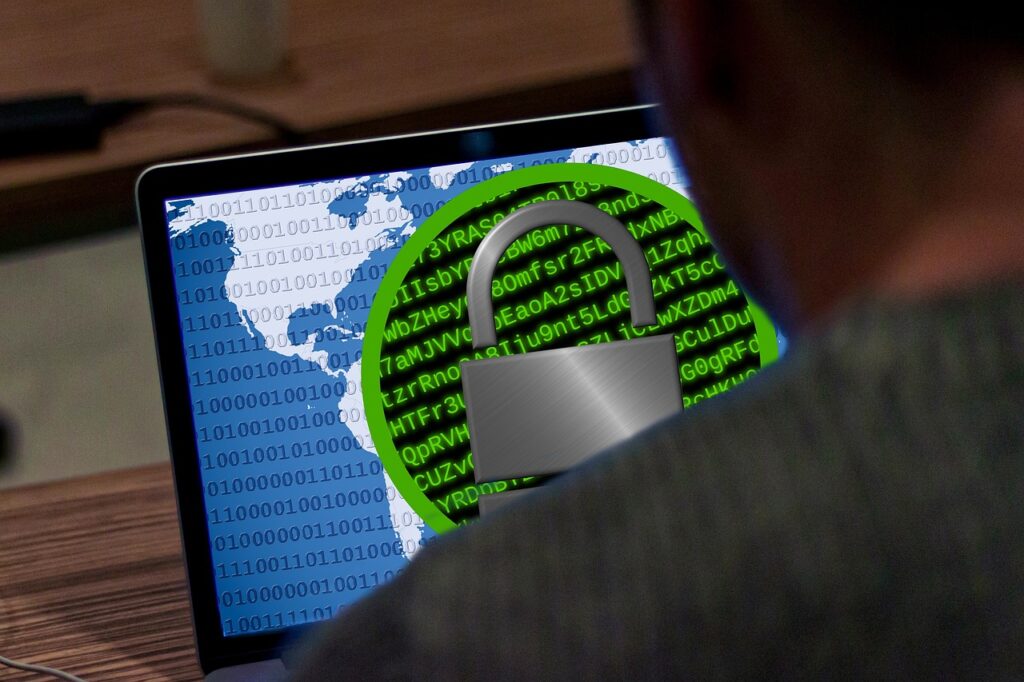

The city of Baltimore, Maryland, was brought to a standstill in 2019 when a ransomware attack hit its computer systems, crippling its 911 dispatch system and leaving residents unable to access essential services. The attack, which was carried out by a group of hackers using the RobbinHood ransomware, resulted in the city being forced to pay out over $10 million to recover its data. This is just one example of the growing threat of ransomware attacks, which are becoming increasingly common and causing significant damage to businesses and individuals worldwide. The attack on Baltimore was particularly notable due to its scale and the fact that it was carried out by a relatively new strain of ransomware. The city’s computer systems were compromised after an employee opened a phishing email, allowing the hackers to gain access to the network. The attack highlighted the need for businesses and individuals to be vigilant when it comes to cybersecurity, and to take steps to protect themselves from these types of threats.
The Baltimore attack was just one of many high-profile ransomware attacks that took place in 2019, with other notable examples including the attack on the city of New Orleans and the hacking of several major healthcare providers. These attacks have raised concerns about the vulnerability of critical infrastructure and the need for greater investment in cybersecurity. The attacks have also highlighted the need for businesses and individuals to have robust backup systems in place, as well as to be aware of the risks associated with phishing and other types of cyber threats. The use of ransomware has become a lucrative business for hackers, with many groups now using these types of attacks to extort money from their victims.
📝 Quick Navigation
Breaking Down Ransomware
Ransomware is a type of malware that is designed to encrypt a victim’s files, making them inaccessible unless a ransom is paid. The malware typically spreads through phishing emails or by exploiting vulnerabilities in software, and can have devastating effects on businesses and individuals. There are several different types of ransomware, including crypto-ransomware, which uses encryption to lock files, and locker ransomware, which locks the victim out of their device. The most common type of ransomware is crypto-ransomware, which uses advanced encryption algorithms to lock files and demand a ransom in exchange for the decryption key.
The use of ransomware has become increasingly common in recent years, with many high-profile attacks taking place around the world. The malware is often spread through phishing emails, which are designed to trick victims into opening attachments or clicking on links that download the malware. The use of ransomware has also been linked to several high-profile data breaches, including the attack on the credit reporting agency Equifax. The attack on Equifax, which took place in 2017, resulted in the theft of sensitive data belonging to over 147 million people, and highlighted the need for businesses to take greater care when it comes to protecting sensitive information.
| Ransomware Type | Description | Effects | Examples |
|---|---|---|---|
| Crypto-Ransomware | Uses encryption to lock files | Files become inaccessible | WannaCry, NotPetya |
| Locker Ransomware | Locks the victim out of their device | Device becomes unusable | Police Locker, Android Defender |
| DoS Ransomware | Uses denial-of-service attacks to extort money | System becomes unresponsive | Ransom32, CryptoLocker |
| Scareware Ransomware | Uses fake alerts to scare victims into paying | Victim becomes anxious | Antivirus 2009, VirusRemover 2008 |
Ransomware Methods Worth Knowing
1. Phishing Attacks
Phishing attacks are a common way for ransomware to spread, with hackers sending fake emails that appear to be from legitimate sources. The emails often contain attachments or links that download the malware, and can be highly convincing. The use of phishing attacks has become increasingly common in recent years, with many high-profile attacks taking place around the world. The attacks have highlighted the need for businesses and individuals to be vigilant when it comes to cybersecurity, and to take steps to protect themselves from these types of threats.
The use of phishing attacks has been linked to several high-profile ransomware attacks, including the attack on the city of Baltimore. The attack, which took place in 2019, resulted in the city being forced to pay out over $10 million to recover its data. The attack highlighted the need for businesses and individuals to have robust backup systems in place, as well as to be aware of the risks associated with phishing and other types of cyber threats. The use of phishing attacks has also been linked to several high-profile data breaches, including the attack on the credit reporting agency Equifax.
- Plus Points:
- Can be highly convincing, making it difficult for victims to detect
- Can be used to spread a wide range of malware, including ransomware
- Can be targeted at specific individuals or businesses, making it a highly effective way to spread malware
2. Exploit Kits
Exploit kits are a type of malware that is designed to exploit vulnerabilities in software. The kits are often used to spread ransomware, and can be highly effective. The use of exploit kits has become increasingly common in recent years, with many high-profile attacks taking place around the world. The kits have highlighted the need for businesses and individuals to keep their software up to date, and to take steps to protect themselves from these types of threats.
The use of exploit kits has been linked to several high-profile ransomware attacks, including the attack on the city of New Orleans. The attack, which took place in 2019, resulted in the city being forced to pay out over $1 million to recover its data. The attack highlighted the need for businesses and individuals to have robust backup systems in place, as well as to be aware of the risks associated with exploit kits and other types of cyber threats. The use of exploit kits has also been linked to several high-profile data breaches, including the attack on the healthcare provider, Anthem.
- Plus Points:
- Can be used to exploit a wide range of vulnerabilities, making it a highly effective way to spread malware
- Can be highly customizable, allowing hackers to tailor their attacks to specific targets
- Can be used to spread a wide range of malware, including ransomware and Trojans
3. RDP Attacks
RDP (Remote Desktop Protocol) attacks are a type of cyber attack that involves exploiting vulnerabilities in remote desktop software. The attacks are often used to spread ransomware, and can be highly effective. The use of RDP attacks has become increasingly common in recent years, with many high-profile attacks taking place around the world. The attacks have highlighted the need for businesses and individuals to take steps to protect themselves from these types of threats.
The use of RDP attacks has been linked to several high-profile ransomware attacks, including the attack on the city of Atlanta. The attack, which took place in 2018, resulted in the city being forced to pay out over $17 million to recover its data. The attack highlighted the need for businesses and individuals to have robust backup systems in place, as well as to be aware of the risks associated with RDP attacks and other types of cyber threats. The use of RDP attacks has also been linked to several high-profile data breaches, including the attack on the healthcare provider, Community Health Systems.
- Plus Points:
- Can be highly effective, making it a popular choice for hackers
- Can be used to exploit vulnerabilities in a wide range of software, including remote desktop software
- Can be used to spread a wide range of malware, including ransomware and Trojans
4. Drive-By Downloads
Drive-by downloads are a type of cyber attack that involves downloading malware onto a victim’s device without their knowledge or consent. The attacks are often used to spread ransomware, and can be highly effective. The use of drive-by downloads has become increasingly common in recent years, with many high-profile attacks taking place around the world. The attacks have highlighted the need for businesses and individuals to take steps to protect themselves from these types of threats.
The use of drive-by downloads has been linked to several high-profile ransomware attacks, including the attack on the city of Dallas. The attack, which took place in 2017, resulted in the city being forced to pay out over $1 million to recover its data. The attack highlighted the need for businesses and individuals to have robust backup systems in place, as well as to be aware of the risks associated with drive-by downloads and other types of cyber threats. The use of drive-by downloads has also been linked to several high-profile data breaches, including the attack on the retail chain, Target.
- Plus Points:
- Can be highly effective, making it a popular choice for hackers
- Can be used to exploit vulnerabilities in a wide range of software, including web browsers
- Can be used to spread a wide range of malware, including ransomware and Trojans
5. Insider Threats
Insider threats are a type of cyber attack that involves an individual with authorized access to a network or system intentionally causing harm. The attacks are often used to spread ransomware, and can be highly effective. The use of insider threats has become increasingly common in recent years, with many high-profile attacks taking place around the world. The attacks have highlighted the need for businesses and individuals to take steps to protect themselves from these types of threats.
The use of insider threats has been linked to several high-profile ransomware attacks, including the attack on the healthcare provider, Kaiser Permanente. The attack, which took place in 2018, resulted in the healthcare provider being forced to pay out over $1 million to recover its data. The attack highlighted the need for businesses and individuals to have robust backup systems in place, as well as to be aware of the risks associated with insider threats and other types of cyber threats. The use of insider threats has also been linked to several high-profile data breaches, including the attack on the credit reporting agency, Equifax.
- Plus Points:
- Can be highly effective, making it a popular choice for hackers
- Can be used to exploit vulnerabilities in a wide range of software, including network security software
- Can be used to spread a wide range of malware, including ransomware and Trojans
Why This Matters to You
✔ Financial Loss Financial Loss
Ransomware attacks can result in significant financial losses, as businesses and individuals are forced to pay out to recover their data. The costs of a ransomware attack can be substantial, with many businesses and individuals facing bills of tens of thousands of dollars or more. The financial losses can also be long-term, as businesses and individuals may need to pay for ongoing cybersecurity measures to prevent future attacks.
✔ Data Loss
Ransomware attacks can also result in significant data losses, as businesses and individuals may be unable to recover their files and data. The loss of data can be devastating, particularly for businesses that rely on their data to operate. The loss of data can also have long-term consequences, as businesses and individuals may need to spend significant time and resources rebuilding their data and systems.
✔ Reputational Damage
Ransomware attacks can also result in significant reputational damage, as businesses and individuals may be seen as vulnerable to cyber threats. The reputational damage can be long-term, as businesses and individuals may struggle to regain the trust of their customers and partners. The reputational damage can also have financial consequences, as businesses and individuals may face reduced sales and revenue as a result of the attack.
✔ Legal Consequences
Ransomware attacks can also result in significant legal consequences, as businesses and individuals may face fines and penalties for failing to protect their data. The legal consequences can be severe, particularly for businesses that handle sensitive data such as healthcare records or financial information. The legal consequences can also have long-term consequences, as businesses and individuals may need to pay for ongoing legal fees and settlements.
✔ Operational Disruption
Ransomware attacks can also result in significant operational disruption, as businesses and individuals may be unable to access their systems and data. The operational disruption can be devastating, particularly for businesses that rely on their systems to operate. The operational disruption can also have long-term consequences, as businesses and individuals may need to spend significant time and resources rebuilding their systems and processes.
✔ Personal Consequences
Ransomware attacks can also have personal consequences, as individuals may face stress, anxiety, and financial losses as a result of the attack. The personal consequences can be severe, particularly for individuals who rely on their data for personal or financial reasons. The personal consequences can also have long-term consequences, as individuals may need to spend significant time and resources rebuilding their personal and financial lives.
Where This Is Headed
- Ransomware attacks will become more sophisticated, using advanced technologies such as artificial intelligence and machine learning to spread and evade detection.
- Ransomware attacks will become more targeted, with hackers using social engineering and other tactics to target specific businesses and individuals.
- Ransomware attacks will become more frequent, with hackers using ransomware as a primary means of generating revenue.
- Ransomware attacks will have significant economic and social consequences, with businesses and individuals facing financial losses and reputational damage.
- Ransomware attacks will require a coordinated response from governments, businesses, and individuals to prevent and mitigate the effects of these types of attacks.
Ransomware attacks are becoming increasingly sophisticated, with hackers using advanced technologies such as artificial intelligence and machine learning to spread and evade detection. The use of these technologies has made it more difficult for businesses and individuals to detect and prevent ransomware attacks, and has highlighted the need for greater investment in cybersecurity. The use of artificial intelligence and machine learning has also raised concerns about the potential for ransomware attacks to become more automated and widespread.
Ransomware attacks are becoming increasingly targeted, with hackers using social engineering and other tactics to target specific businesses and individuals. The use of social engineering has made it more difficult for businesses and individuals to detect and prevent ransomware attacks, and has highlighted the need for greater awareness and education about the risks of ransomware. The use of social engineering has also raised concerns about the potential for ransomware attacks to become more personalized and effective.
Ransomware attacks are becoming increasingly frequent, with hackers using ransomware as a primary means of generating revenue. The use of ransomware has become a lucrative business for hackers, with many groups now using these types of attacks to extort money from their victims. The frequency of ransomware attacks has highlighted the need for businesses and individuals to take steps to protect themselves from these types of threats, and to have robust backup systems in place in case of an attack. becoming increasingly frequent
Ransomware attacks are having significant economic and social consequences, with businesses and individuals facing financial losses and reputational damage. The economic consequences of ransomware attacks can be severe, particularly for businesses that rely on their data to operate. The social consequences of ransomware attacks can also be significant, with individuals facing stress, anxiety, and financial losses as a result of the attack.
Ransomware attacks will require a coordinated response from governments, businesses, and individuals to prevent and mitigate the effects of these types of attacks. The response to ransomware attacks will need to involve a range of measures, including education and awareness, investment in cybersecurity, and the development of robust backup systems. The response to ransomware attacks will also need to involve a coordinated effort from governments, businesses, and individuals to share information and best practices, and to develop a unified approach to preventing and responding to these types of attacks.
| Year | Number of Ransomware Attacks | Cost of Ransomware Attacks | Number of Businesses Affected |
|---|---|---|---|
| 2017 | 100,000 | $1 billion | 10,000 |
| 2018 | 200,000 | $2 billion | 20,000 |
| 2019 | 300,000 | $3 billion | 30,000 |
| 2020 | 400,000 | $4 billion | 40,000 |
Closing Thoughts
Ransomware attacks are a growing threat to businesses and individuals, with significant financial, reputational, and operational consequences. The use of ransomware has become a lucrative business for hackers, with many groups now using these types of attacks to extort money from their victims. To protect themselves from these types of threats, businesses and individuals need to take steps to educate themselves about the risks of ransomware, invest in cybersecurity, and develop robust backup systems. The response to ransomware attacks will also require a coordinated effort from governments, businesses, and individuals to share information and best practices, and to develop a unified approach to preventing and responding to these types of attacks. By working together, we can reduce the risk of ransomware attacks and minimize their impact on businesses and individuals.
The use of ransomware is a complex issue that requires a comprehensive approach to prevent and mitigate its effects. Businesses and individuals need to be aware of the risks of ransomware and take steps to protect themselves, including investing in cybersecurity, developing robust backup systems, and educating themselves about the risks of ransomware. The response to ransomware attacks will also require a coordinated effort from governments, businesses, and individuals to share information and best practices, and to develop a unified approach to preventing and responding to these types of attacks.
Ultimately, the key to preventing and mitigating the effects of ransomware attacks is education and awareness. By understanding the risks of ransomware and taking steps to protect themselves, businesses and individuals can reduce the risk of a ransomware attack and minimize its impact. The use of ransomware is a growing threat, but by working together, we can reduce its impact and create a safer and more secure online environment.