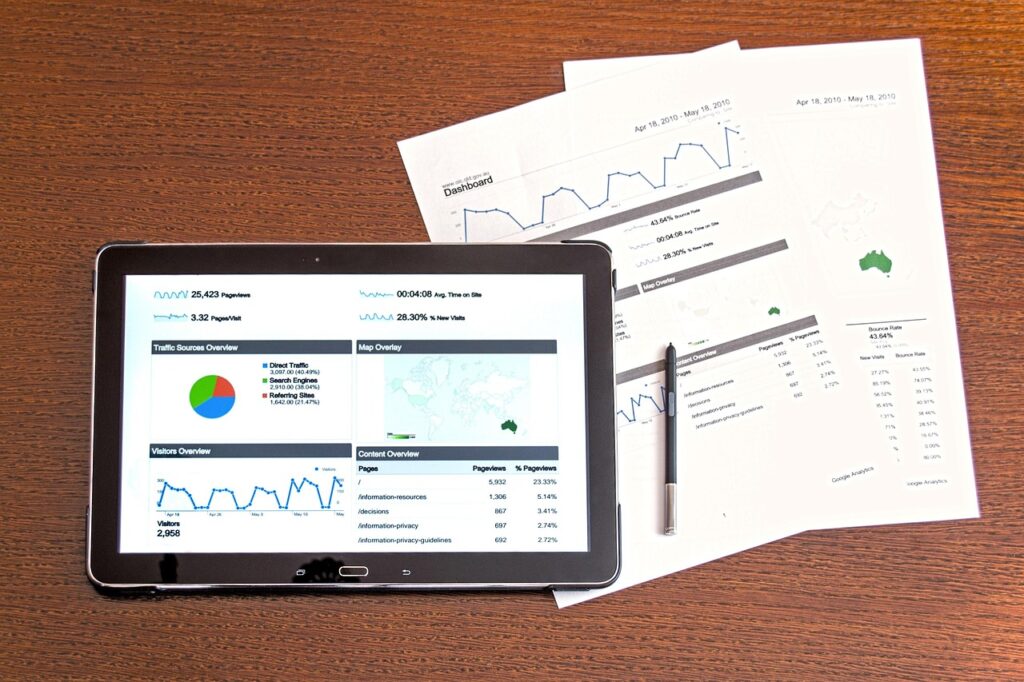

Many organizations face significant challenges in extracting valuable insights from their data, which can hinder informed decision-making and ultimately, business growth. The inability to efficiently process and analyze large datasets — also known as big data (a term that refers to the vast amounts of structured and unstructured data that organizations collect) — is a major pain point. This issue is further complicated by the need for advanced data analysis techniques, such as predictive analytics (a method of analyzing historical data to forecast future events) and machine learning (a subset of artificial intelligence that involves training algorithms to learn from data), to uncover hidden patterns and trends. Without the right strategies and technologies in place, companies struggle to turn their data into actionable insights. Moreover, the complexity of integrating data from various sources and ensuring data quality poses additional hurdles. As a result, companies miss out on opportunities to optimize their operations, improve customer satisfaction, and stay ahead of the competition.
📝 What's In This Article
Common Challenges With Understanding Data Analytics (advanced strategies)
Challenge 1: Data Quality Issues
Data quality issues arise when the data collected is inaccurate, incomplete, or inconsistent, making it unreliable for analysis. This problem occurs due to various factors, including human error during data entry, inadequate data validation processes, and the integration of data from disparate sources. As a consequence, analyses conducted on poor-quality data can lead to misleading conclusions and incorrect decisions. Ensuring data quality is crucial for trustworthy analysis and informed decision-making.
Challenge 2: Insufficient Data Governance
Insufficient data governance refers to the lack of a well-defined framework for managing data across an organization, including its collection, storage, and use. This challenge arises because many companies fail to establish clear policies, procedures, and standards for data management. Without proper governance, data becomes siloed, and its value is not fully realized, leading to inefficiencies and potential compliance issues. Effective data governance is essential for maximizing the value of data assets and ensuring regulatory compliance.
Challenge 3: Limited Technical Expertise
Limited technical expertise in data analytics hampers an organization’s ability to use advanced analytical techniques and tools. This issue arises when the existing workforce lacks the necessary skills in areas such as data science (an interdisciplinary field that extracts insights from data using various techniques), programming languages like Python or R (programming languages commonly used for data analysis), and data visualization (the process of creating graphical representations of data to better understand and communicate insights). As a result, companies struggle to implement sophisticated data analytics solutions, hindering their ability to derive meaningful insights from their data. Limited technical expertise
Challenge 4: Scalability and Performance Issues
Scalability and performance issues occur when data analytics systems are unable to handle large volumes of data or provide timely insights, respectively. These challenges happen due to inadequate infrastructure, insufficient computational resources, and inefficient data processing algorithms. The inability to scale and perform affects the reliability and speed of data analysis, ultimately impacting business agility and responsiveness to changing market conditions. Therefore, it is crucial to design and implement scalable and high-performance data analytics architectures.
Challenge 5: Ensuring Data Security
Ensuring data security is a critical challenge that involves protecting data from unauthorized access, breaches, and other malicious activities. This issue is pertinent because data is a valuable asset that, if compromised, can lead to significant financial losses, reputational damage, and legal consequences. The challenge arises from the increasing sophistication of cyber threats and the complexity of implementing robust security measures across all data touchpoints. Consequently, organizations must prioritize data security to safeguard their data assets and maintain stakeholder trust.
Latest Data Analytics Technologies
1. Cloud-Based Data Analytics Platforms
Cloud-based data analytics platforms offer scalable, on-demand computing resources and specialized services for data analysis. Implementing these platforms involves migrating data and analytics workloads to cloud providers like AWS, Azure, or Google Cloud, and then leveraging their respective analytics services. This can be achieved by first assessing current data analytics needs, selecting the appropriate cloud services, and then designing a migration strategy that minimizes disruption.
- Key Benefits:
- Enhanced scalability and flexibility in data processing and analysis
- Reduced capital and operational expenditures through pay-as-you-use models
- Access to advanced analytics capabilities and machine learning services
2. Artificial Intelligence (AI) and Machine Learning (ML) Integration
Integrating AI and ML into data analytics involves using algorithms that can learn from data to predict outcomes, classify data, or generate insights. To implement AI/ML, organizations should start by identifying suitable business problems that can be solved through predictive or prescriptive analytics. Then, they should develop a strategy for data preparation, model training, and model deployment. This may require collaboration with data scientists or investing in AI/ML platforms that provide user-friendly interfaces for non-technical users.
- Key Benefits:
- Automated analysis and insights generation
- Improved accuracy in forecasting and predictive modeling
- Enhanced decision-making capabilities through data-driven recommendations
3. Big Data Analytics Tools
Big data analytics tools, such as Hadoop (an open-source framework for processing large data sets) and Spark (an open-source data processing engine), are designed to handle the processing and analysis of vast amounts of data. Implementing these tools requires setting up the necessary infrastructure, which can be on-premise or in the cloud, and then configuring the tools for data ingestion, processing, and analysis. This step may involve significant upfront investment in infrastructure and training for IT personnel.
- Key Benefits:
- Ability to process and analyze large volumes of data from diverse sources
- Cost-effective solution for data storage and processing
- Support for advanced analytics and data science applications
4. Data Visualization and Reporting Tools
Data visualization and reporting tools, such as Tableau (a data visualization platform) or Power BI (a business analytics service), help in creating interactive and dynamic dashboards to present complex data insights. To implement these tools, users should first prepare their data, ensuring it is clean and properly formatted. Then, they should select the most appropriate visualization types for their data and create dashboards that are intuitive and easy to navigate.
- Key Benefits:
- Improved communication of insights through interactive visualizations
- Enhanced data exploration and discovery capabilities
- Streamlined reporting processes and reduced manual effort
5. Real-Time Data Analytics Solutions
Real-time data analytics solutions enable the analysis and action on data as it is generated, facilitating immediate decision-making. Implementing real-time analytics involves deploying technologies such as streaming data platforms (e.g., Kafka) that can handle high-velocity data and integrating them with analytics engines that can process data in real-time. This may require significant investment in new infrastructure and software.
- Key Benefits:
- Ability to respond to changing conditions and customer behaviors in real-time
- Improved operational efficiency through immediate insights
- Competitive advantage through faster decision-making
6. Edge Computing for Data Analytics
Edge computing for data analytics involves processing data closer to its source, reducing latency and improving real-time analytics capabilities. To implement edge computing, organizations need to assess which data sources and applications would benefit from edge processing, then deploy the necessary edge devices and software. This approach requires careful planning to ensure seamless integration with existing analytics infrastructure.
- Key Benefits:
- Reduced latency in data processing and analysis
- Improved real-time decision-making capabilities
- Enhanced security and reduced risk of data breaches
Comparison of Traditional and Advanced Data Analytics Approaches
| Approach | Old Way | Better Way | Result |
|---|---|---|---|
| Data Analysis | Manual processing and analysis of data | Automated analysis using AI and ML algorithms | Faster and more accurate insights |
| Data Storage | On-premise data warehouses | Cloud-based data storage solutions | Scalability, cost savings, and enhanced security |
| Data Visualization | Static reports and dashboards | Interactive and dynamic visualizations | Improved understanding and engagement with data insights |
| Decision-Making | Based on intuition or historical data | Data-driven decision-making using real-time analytics | More informed and timely decisions |
| Security | Basic security measures | Robust and multi-layered security protocols | Enhanced protection of sensitive data and reduced risk |
What This Means in Practice
A retail company, for example, can use advanced data analytics to analyze customer purchasing behavior, preferences, and demographic data to create personalized marketing campaigns and improve customer satisfaction. By integrating AI and ML into their analytics, they can predict sales trends and optimize inventory management, reducing waste and improving profitability.
In the healthcare sector, advanced data analytics can be used to analyze patient data, medical histories, and treatment outcomes to develop more effective treatment plans and improve patient care. Real-time analytics can help hospitals manage patient flow, allocate resources more efficiently, and enhance operational efficiency.
Manufacturing companies can utilize predictive analytics to forecast demand, detect potential equipment failures, and optimize production processes. By implementing edge computing for real-time data analysis, they can reduce downtime, improve product quality, and increase overall manufacturing efficiency.
Financial institutions can employ advanced data analytics to detect fraudulent transactions, predict credit risk, and personalize financial services for their customers. By leveraging cloud-based data analytics platforms, they can scale their analytics capabilities, reduce costs, and comply with regulatory requirements more effectively.
Government agencies can use data analytics to analyze demographic data, economic indicators, and social trends to inform policy decisions and improve public services. By implementing data visualization tools, they can communicate complex data insights more effectively to the public and stakeholders, enhancing transparency and accountability.
Step-by-Step Action Plan
- Assess current data analytics capabilities and identify areas for improvement, because understanding the current state is crucial for planning meaningful enhancements. This step is essential for determining the right strategies and technologies to implement.
- Develop a comprehensive data strategy that aligns with business objectives, as this will guide all subsequent actions and ensure that data analytics supports the organization’s overall goals. A well-defined strategy is key to focusing efforts and resources effectively.
- Invest in advanced data analytics technologies such as AI, ML, and cloud-based platforms, because these technologies are fundamental to enhancing analytics capabilities and achieving scalability. The right technologies can significantly improve the efficiency and effectiveness of data analysis.
- Build a skilled data analytics team or partner with external experts, as having the right talent is vital for successfully implementing and utilizing advanced data analytics solutions. Skilled professionals can navigate complex analytics challenges and use technologies to their full potential.
- Ensure data quality and governance practices are in place, because high-quality data is essential for reliable analysis and informed decision-making. Effective data governance is also critical for compliance and ethical data use.
- Implement robust security measures to protect sensitive data, as data breaches can have severe consequences and undermine trust in the organization. Protecting data is essential for maintaining stakeholder confidence and ensuring the integrity of analytics operations.
- Monitor and evaluate the effectiveness of data analytics initiatives continuously, because ongoing assessment is necessary to identify areas for improvement, measure the impact of analytics on business outcomes, and make data-driven decisions about future investments. Continuous monitoring allows organizations to adapt to changing conditions and optimize their analytics strategies.
Key Takeaways
Mastering advanced data analytics strategies is crucial for organizations seeking to derive meaningful insights from their data and drive business success. By understanding common challenges, adopting the latest technologies, and implementing a structured approach to data analytics, companies can overcome hurdles and achieve their goals. The path to advanced data analytics requires careful planning, continuous learning, and a commitment to leveraging data as a strategic asset. As data continues to grow in volume, variety, and velocity, the importance of advanced analytics will only continue to increase, making it an indispensable component of business strategy and decision-making in the future.