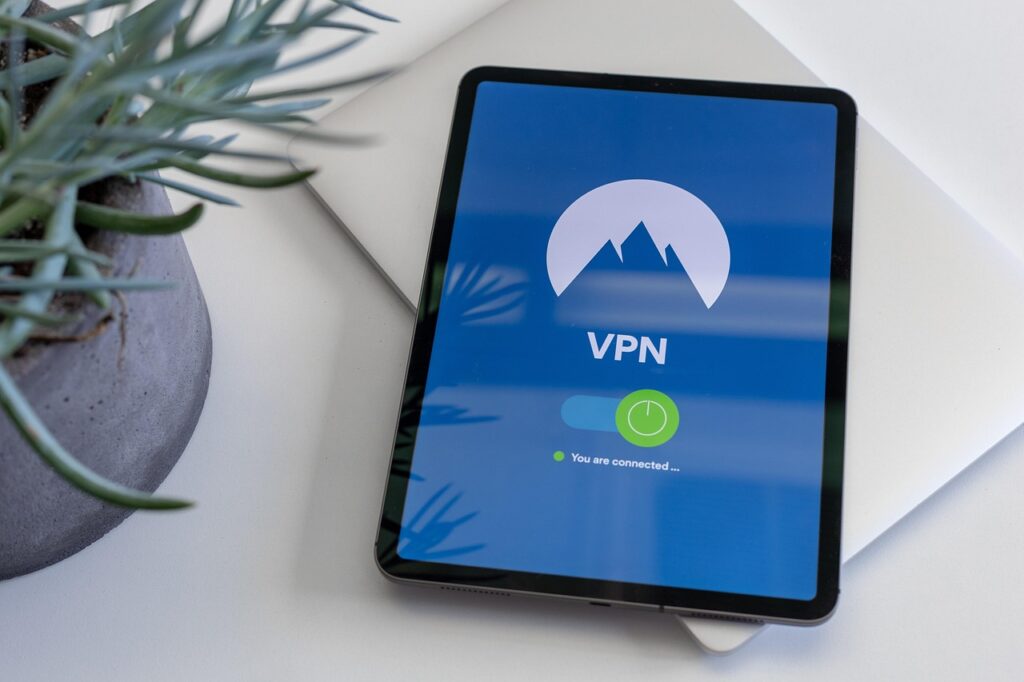

70% of internet users have used a VPN at some point, but many are not using them correctly. This statistic is significant because it highlights the widespread adoption of VPNs, yet also underscores the need for education on their proper use. The importance of VPNs These days cannot be overstated, as they provide a crucial layer of security and privacy for online activities. However, the improper use of VPNs can lead to a false sense of security, putting users’ personal data and anonymity at risk. Here’s the key thing to understand: using a VPN is just the first step; using it correctly is what truly matters. Most people miss this critical distinction, which is why understanding common VPN mistakes is essential. The consequences of these mistakes can range from minor inconveniences to major security breaches, making it crucial for users to be aware of them.
📝 Quick Navigation
What Does VPN Mean?
A VPN, or Virtual Private Network, is a service that allows users to create a secure, encrypted connection between their device and a VPN server. This connection acts as a tunnel, protecting the data that passes through it from being intercepted or snooped on by third parties. VPNs are commonly used for their ability to enhance online privacy, security, and anonymity. They can also help users bypass geo-restrictions, allowing access to content that may be blocked in their region. The context in which VPNs operate is critical to understanding their role in online security. In essence, VPNs fill a significant gap in the protection of personal data, especially when using public Wi-Fi networks or accessing sensitive information online.
Understanding the concept of VPNs requires looking at how they compare to other security measures. The following table highlights some key differences between VPNs and other common security tools:
| Security Tool | Purpose | Effectiveness | Usage |
|---|---|---|---|
| Firewall | Blocks unauthorized access to computer | High, for network protection | Always on, for computers and networks |
| Antivirus | Detects and removes malware | High, for malware protection | Regular scans, for all devices |
| VPN | Encrypts internet connection | High, for online security and anonymity | As needed, for sensitive online activities |
| Proxy Server | Hides IP address, caches data | Medium, for basic anonymity | Occasional, for specific web browsing |
The comparison above shows that while different tools have different purposes, a VPN is uniquely positioned to provide comprehensive online security and privacy. This is because VPNs encrypt all internet traffic, not just protect against specific threats like malware or unauthorized access.
Core VPN Approaches
1. Choosing the Right VPN Protocol
When it comes to VPNs, the protocol used can significantly impact the security, speed, and reliability of the connection. Different protocols are suited for different needs, whether it’s streaming, torrenting, or simply browsing. Understanding the differences between protocols like OpenVPN, WireGuard, and IKEv2 is crucial for making an informed decision.
The choice of protocol depends on several factors, including the level of security required, the need for speed, and compatibility with different devices. For instance, OpenVPN is widely considered to be one of the most secure protocols, but it may require more setup and configuration compared to other options. WireGuard, on the other hand, offers a great balance between security and speed, with the added benefit of being relatively easy to set up.
Strengths:
- Enhanced Security: Offers strong encryption to protect against hacking and surveillance.
- Flexibility: Can be used on a variety of devices and operating systems.
- Performance: Some protocols are optimized for speed, making them ideal for streaming and online gaming.
2. Selecting a VPN Provider
Not all VPN providers are created equal. The choice of provider can significantly impact the user experience, from the speed of the connection to the level of customer support offered. Key factors to consider include the provider’s logging policy, the number and location of servers, and any limitations on data usage.
A good VPN provider should have a strict no-logging policy, ensuring that none of the user’s data is stored or shared with third parties. Additionally, a wide range of server locations can help users access geo-restricted content and find the fastest connection possible. Some providers also offer additional features, such as ad blockers and malware protection, which can enhance the overall security and privacy of the user’s online experience.
Strengths:
- Privacy: A no-logging policy ensures user data remains private.
- Accessibility: Multiple server locations increase the chances of finding a fast and reliable connection.
- Additional Features: Some providers offer extra security tools, enhancing the user’s online protection.
3. Understanding VPN Pricing Models
The cost of a VPN can vary widely, from free services to premium subscriptions. Understanding what different pricing models offer is crucial for making a decision that meets the user’s needs and budget. Free VPNs, for instance, may seem appealing but often come with significant limitations, such as data caps, slower speeds, and potentially invasive advertising.
Paid VPN services, on the other hand, typically offer more features, faster speeds, and better customer support. However, the cost can add up, especially for long-term commitments. Some providers offer different tiers of service, allowing users to choose the level of protection and features they need. It’s also important to consider any money-back guarantees or free trials that can help users test the service before committing.
Strengths:
- Flexibility: Different pricing tiers can accommodate various budgets and needs.
- Reliability: Paid services often provide more consistent and faster connections.
- Features: Premium services may include additional security features and better customer support.
4. Setting Up a VPN for Different Devices
VPNs are not limited to computers; they can be used on a variety of devices, including smartphones, tablets, and even smart TVs. Setting up a VPN on these devices can sometimes be more complicated than on a computer, but most providers offer user-friendly apps and guides to simplify the process.
The setup process typically involves downloading the VPN app from the device’s app store, signing in with the user’s account credentials, and then selecting the desired server location. Some devices may require manual configuration, which can be more complex but provides more control over the VPN settings. Ensuring that all devices are protected with a VPN is crucial for maintaining comprehensive online security and privacy.
Strengths:
- Convenience: Apps make it easy to set up and use a VPN on various devices.
- Comprehensive Protection: Protecting all devices helps prevent any gaps in security.
- Control: Manual configuration options allow for more advanced settings and customization.
5. Troubleshooting Common VPN Issues
Despite the benefits of VPNs, users may encounter issues such as slow speeds, dropped connections, or difficulties accessing certain websites. Troubleshooting these problems can be frustrating, but understanding the common causes and solutions can help resolve them efficiently.
Slow speeds, for example, might be due to the distance from the VPN server, network congestion, or the type of protocol used. Switching to a closer server or trying a different protocol can often resolve the issue. For dropped connections, checking the internet connection, restarting the VPN app, or contacting the provider’s support can help. Some websites may block VPN traffic, in which case trying a different server or contacting the website’s support might be necessary.
Strengths:
- Efficiency: Quick troubleshooting can minimize downtime and frustration.
- Knowledge: Understanding common issues prepares users for potential problems.
- Support: Good customer support from the VPN provider can be invaluable in resolving complex issues.
Why This Matters to You
✔ Enhanced Security Enhanced Security
Using a VPN correctly can significantly enhance your online security by encrypting your internet traffic and protecting you from hackers and surveillance. This is especially important when using public Wi-Fi networks, which are often insecure and vulnerable to hacking. By encrypting your data, you ensure that even if it’s intercepted, it cannot be read or used.
✔ Increased Privacy
A VPN helps maintain your privacy by masking your IP address, making it difficult for websites, advertisers, and other third parties to track your online activities. This is crucial in today’s digital age, where data collection and tracking are widespread. By hiding your IP address, you can browse the internet more anonymously and reduce the risk of being targeted by personalized advertising or worse.
✔ Access to Geo-Restricted Content
One of the popular uses of VPNs is to access content that is geo-restricted, meaning it’s only available in certain parts of the world. By connecting to a VPN server in a different country, you can bypass these restrictions and enjoy content that would otherwise be unavailable to you. This is particularly useful for streaming services, where content libraries can vary significantly from one region to another.
✔ Protection Against Data Throttling
Some internet service providers (ISPs) engage in data throttling, where they intentionally slow down your internet speed based on the type of activity you’re doing, such as streaming or torrenting. A VPN can help protect against data throttling by encrypting your traffic, making it difficult for your ISP to determine what you’re doing online and thus unable to throttle your speed based on activity.
✔ Safeguarding Against Public Wi-Fi Risks
Public Wi-Fi networks, found in cafes, hotels, and airports, are notoriously insecure. Using a VPN when connected to these networks can protect you from man-in-the-middle attacks, where hackers intercept your data, and other cyber threats. This is crucial for safeguarding your personal and financial information when using public Wi-Fi for sensitive activities like online banking or shopping.
✔ Compliance with Privacy Laws
For businesses and individuals alike, ensuring compliance with various privacy laws and regulations, such as GDPR or HIPAA, is essential. Using a VPN can be part of a broader strategy to comply with these laws by protecting sensitive data and ensuring that online activities are conducted securely and privately.
What’s Coming
- Advancements in VPN Technology
- Increased Adoption of VPNs
- Stricter Regulations on Data Privacy
- More Sophisticated Cyber Threats
- Greater Awareness of VPN Benefits
As technology continues to evolve, so do VPNs. Future advancements are likely to include even stronger encryption methods, faster connection speeds, and more user-friendly interfaces. This could make VPNs more accessible and effective for a wider range of users, enhancing overall online security and privacy.
Given the growing concern over online privacy and security, the adoption of VPNs is expected to increase. More individuals and businesses will turn to VPNs as a necessary tool for protecting their online activities and data. This increased demand could drive innovation and competition in the VPN market, leading to better services for users.
Regulations around data privacy are becoming stricter, with laws like the GDPR in Europe setting a high standard for data protection. As these regulations evolve, the use of VPNs may become more integrated into compliance strategies for businesses, and individuals may rely on them more heavily to ensure their personal data is protected. Regulations around data
Cyber threats are becoming more sophisticated, with new types of malware, phishing attacks, and other forms of cybercrime emerging all the time. In response, VPNs will need to evolve to provide stronger protection against these threats, potentially incorporating additional security features and technologies into their services.
As online security and privacy become more prominent concerns, there will likely be a greater awareness of the benefits of using a VPN. This could lead to more widespread adoption and a shift towards VPNs being seen as a standard part of online security practices, similar to antivirus software or firewalls.
The following table outlines some key statistics related to VPN adoption and the importance of online security:
| Statistic | Description | Impact | Relevance to VPNs |
|---|---|---|---|
| 70% of internet users have used a VPN | Widespread adoption of VPN technology | Indicates a growing awareness of online security needs | Highlights the importance of proper VPN use |
| 60% of businesses have experienced cyberattacks | Prevalence of cyber threats against businesses | Underlines the need for robust security measures | Suggests VPNs as part of a comprehensive security strategy |
| 80% of users believe online privacy is a right | Public perception of online privacy | Reflects a growing demand for privacy protections | Positions VPNs as a key tool for maintaining online privacy |
| 90% of users are concerned about data security | Level of concern over data security among users | Indicates a high level of awareness about data risks | Reinforces the role of VPNs in securing user data |
What It All Means
Using a VPN is no longer just a matter of enhancing online security and privacy; it’s becoming an essential part of navigating the digital world safely. By understanding common mistakes in VPN usage and how to avoid them, individuals can better protect themselves against cyber threats and ensure their online activities remain private. The future of VPN technology promises even stronger protections and more user-friendly services, underscoring the importance of staying informed and adapting to the evolving landscape of online security.
The importance of VPNs will only continue to grow as more aspects of life become digital, making the need for secure, private, and reliable internet connections more critical than ever. Whether for personal use or business, VPNs are set to play a central role in safeguarding against the risks of the internet, from data breaches to surveillance, and ensuring that the benefits of the digital age can be enjoyed without compromising on security or privacy.
In essence, the correct use of VPNs represents a crucial step in taking control of one’s online security and privacy, offering a powerful tool in the pursuit of a safer and more private digital experience.