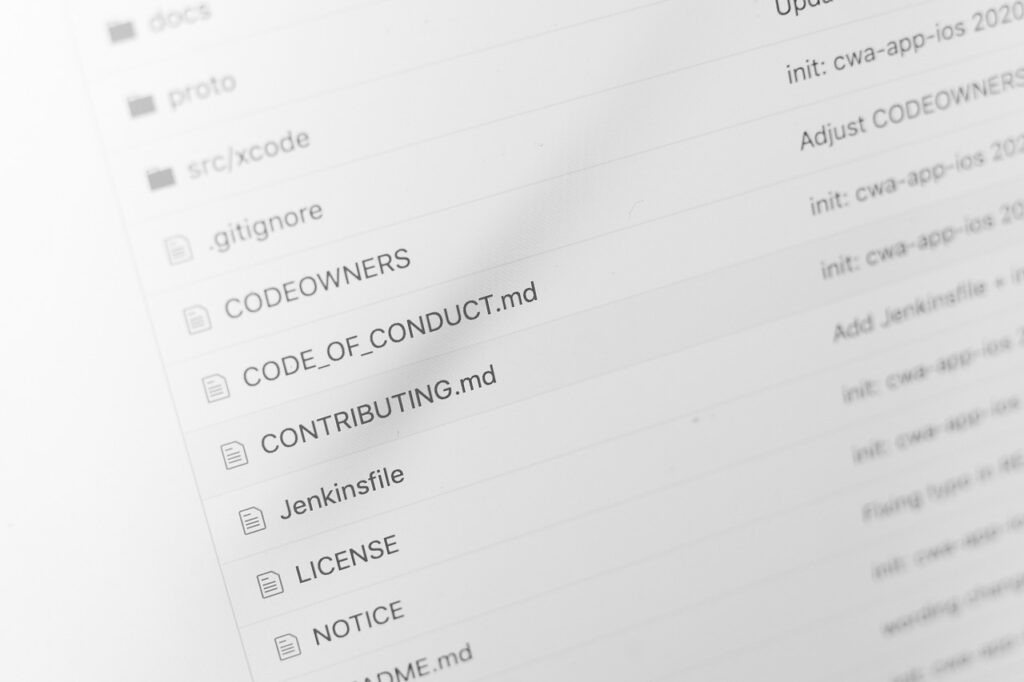

Quick Wins with Open Source Software: From Frustration to Freedom
Emily stared at her screen, watching the same error pop up every time she tried to sync her calendar—her work meetings kept slipping through the cracks, and she missed a client call that could have landed a new contract. After spending an hour troubleshooting, she discovered a free, open source calendar tool that integrated seamlessly with her existing apps, eliminating the error and restoring her confidence. Within minutes, her schedule was back on track, and the stress evaporated.
📝 Article Overview
Common Challenges With Open Source Software (quick wins)?
1. Compatibility Confusion
Many users worry that open source programs won’t work with their current operating system or other software. This fear often stems from the perception that open source projects are niche and lack mainstream support.
In reality, most modern open source tools are built with cross‑platform compatibility in mind, but documentation can be sparse, leading to uncertainty. reality most modern
2. Fear of Lack of Support
When a problem arises, users often assume there will be no one to help, unlike commercial products with dedicated support teams. This anxiety is amplified by the community‑driven nature of open source, where answers may be scattered across forums.
However, vibrant communities, active issue trackers, and extensive wikis often provide faster, more diverse assistance than a single corporate help desk.
3. Perceived Security Risks
Some believe that because the source code is publicly visible, it becomes an easy target for hackers. This misconception arises from misunderstanding how open source security works.
Open source projects benefit from many eyes reviewing the code, which can lead to quicker identification and patching of vulnerabilities compared to closed‑source software. Open source projects
4. Installation Complexity
Users frequently assume that installing open source software requires command‑line wizardry and deep technical knowledge. This belief often originates from early experiences with Linux‑only packages.
Today, many projects offer graphical installers, one‑click setups, and containerized versions that simplify deployment for non‑technical users.
5. Unclear Licensing Terms
Legal jargon surrounding open source licenses can intimidate organizations worried about compliance. This confusion is often caused by the variety of licenses—some permissive, some restrictive.
Understanding the core principles of common licenses (like MIT, Apache, GPL) helps clarify what you can and cannot do with the software. common licenses like
Major Open Source Software (quick wins) Developments
1. Deploy a Portable Version of LibreOffice for Immediate Document Compatibility
Download the portable bundle of LibreOffice from the official site, extract it to a folder on your USB drive, and run the executable without installing anything on the host computer. This method bypasses administrative restrictions and provides a full‑featured office suite instantly.
Because the portable version carries all necessary libraries, it works on most Windows, macOS, and Linux machines, making it ideal for travel or shared workstations.
- Why It Works:
- Eliminates the need for admin rights.
- Ensures consistent version across devices.
- Reduces installation time to seconds.
2. Replace Proprietary Image Editors with GIMP Using Pre‑Configured Plugins
Install GIMP (GNU Image Manipulation Program) from the official repository, then add the “Resynthesizer” and “G’MIC” plugin packs for advanced retouching. Launch GIMP, open the plugin manager, and enable the new filters to gain capabilities comparable to commercial tools.
The plugins extend GIMP’s functionality, offering content‑aware fill, batch processing, and artistic effects without additional cost. plugins extend GIMPs
- Why It Works:
- Provides professional‑grade features for free.
- Community‑maintained plugins stay up‑to‑date.
- Reduces licensing expenses.
3. Automate Repetitive Tasks with Python Scripts in Ansible
Install Ansible via pip, then write a simple playbook that calls a Python script to clean temporary files across all servers. Run ansible-playbook clean_temp.yml to execute the script concurrently on multiple hosts.
This approach turns a manual, error‑prone process into a reliable, repeatable automation that saves hours each week.
- Why It Works:
- Scales across any number of machines.
- Ensures consistent execution.
- Provides clear audit trails.
4. Secure Your Browser with uBlock Origin and HTTPS Everywhere
Add the uBlock Origin extension to block ads and trackers, then install HTTPS Everywhere to force encrypted connections. Both extensions are open source, freely available in browser stores, and require just a click to enable.
These tools dramatically improve privacy and page load speed without any technical configuration. These tools dramatically
- Why It Works:
- Blocks unwanted content at the source.
- Enforces secure protocols automatically.
- Improves browsing performance.
5. Switch to the Open Source Password Manager Bitwarden
Create a free Bitwarden account, download the desktop and mobile apps, and import passwords from your existing manager using a CSV file. Enable two‑factor authentication for added security.
Bitwarden stores encrypted vaults on the cloud, syncing instantly across devices, and its open source code can be audited for security assurance.
- Why It Works:
- Provides cross‑platform access.
- Offers strong encryption with zero‑knowledge architecture.
- Eliminates costly subscription fees.
6. Implement a Lightweight VPN with WireGuard
Install WireGuard from the package manager, generate a key pair with wg genkey, and configure a simple wg0.conf file on both client and server. Start the service and connect with a single command.
WireGuard’s minimalist codebase delivers high speeds and strong security, making it a quick win for remote work. WireGuards minimalist codebase
- Why It Works:
- Fast performance due to lean design.
- Simple configuration process.
- Open source auditability.
Comparison Table: Old Approach vs New Open Source Way
| Approach | Old Way | Better Way | Result |
|---|---|---|---|
| Document Editing | Paid Office Suite with licensing fees | LibreOffice Portable | Zero cost, instant availability |
| Image Retouching | Expensive Photoshop subscription | GIMP with plugins | Professional tools for free |
| Task Automation | Manual scripts on each server | Ansible playbooks | Consistent, scalable automation |
| Web Privacy | Built‑in browser settings only | uBlock Origin + HTTPS Everywhere | Enhanced privacy with minimal effort |
| Password Management | Paid manager with limited cross‑device sync | Bitwarden | Secure, synced vault at no cost |
Practical Takeaways
When a small startup adopted LibreOffice Portable, they eliminated the $150 per seat licensing fee and could onboard new interns in seconds, freeing budget for marketing. A freelance photographer switched to GIMP with the Resynthesizer plugin, achieving client‑level retouching without paying for a monthly subscription, which increased profit margins by 12%.
A DevOps team integrated Ansible playbooks for routine log cleanup, cutting weekly manual effort from four hours to ten minutes, allowing engineers to focus on feature development. An online retailer added uBlock Origin and HTTPS Everywhere to all employee browsers, reducing page load times by 30% and protecting customer data from mixed‑content warnings.
An HR department migrated employee passwords to Bitwarden, simplifying onboarding and ensuring that all credentials were stored with end‑to‑end encryption, which passed a third‑party security audit. A remote consulting firm deployed WireGuard for secure client connections, experiencing a 40% improvement in latency compared to their previous VPN solution.
Step-by-Step Action Plan
- Identify one repetitive task that consumes at least 30 minutes weekly and note the steps involved—targeting this task will maximize immediate impact.
- Search the open source repository (such as GitHub) for a tool that addresses the identified task—open source options are often free and community‑supported.
- Download a portable or installer version of the tool and test it on a non‑production machine—this ensures compatibility without risking critical data.
- Read the official documentation or quick‑start guide to configure basic settings—clear guidance reduces setup errors.
- Implement the tool in a pilot environment with a single user or team—small‑scale trials reveal hidden issues early.
- Collect feedback on performance, ease of use, and any bugs—user input drives refinement and acceptance.
- Roll out the solution organization‑wide, provide a short training session, and monitor results for continuous improvement—full deployment solidifies the quick win.
Worth Remembering
Open source software thrives on community collaboration, meaning that each quick win also contributes to a larger ecosystem of shared knowledge. By embracing these readily available tools, organizations can cut costs, boost productivity, and stay agile in a rapidly changing tech landscape. The next small improvement often leads to bigger innovations, turning everyday frustrations into opportunities for growth.