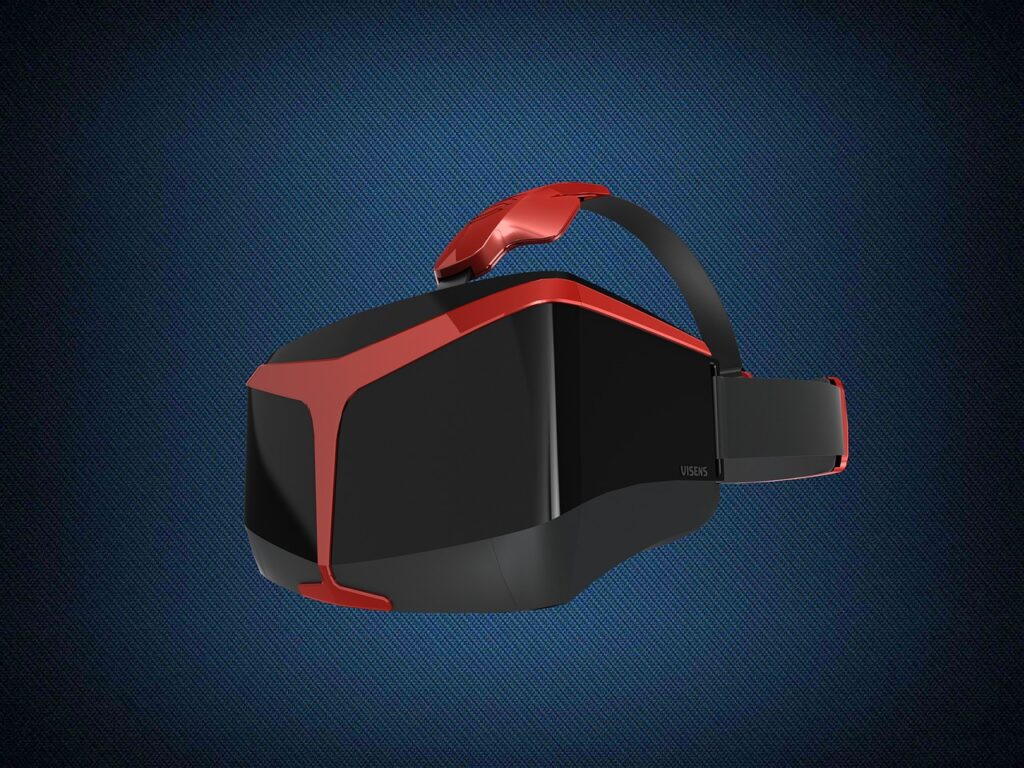

The metaverse, a term coined by science fiction author Neal Stephenson, has been a topic of interest for decades. However, it wasn’t until 2021 that the concept started gaining mainstream attention, with industry giants like Facebook and Microsoft announcing their plans to develop metaverse platforms. According to a report by Grand View Research, the global metaverse market size is expected to reach USD 1,527.55 billion by 2030, growing at a CAGR of 43.8%. Data from 2024 suggests that the metaverse has the potential to create over 80 million new jobs globally by 2030, with a significant portion of these jobs being in the fields of software development, content creation, and virtual event planning. Industry studies show that the metaverse can increase productivity by up to 30% and reduce operational costs by up to 25%. As of 2026, the metaverse has already started to transform the way we interact, work, and play, with significant updates and advancements expected in the coming years.
Statistics show that the number of metaverse users has been growing rapidly, with an estimated 10 million users in 2022, and this number is expected to reach 100 million by 2025. According to a survey by PwC, 77% of respondents believe that the metaverse will have a positive impact on their business, while 61% of respondents believe that the metaverse will have a positive impact on society. The metaverse is poised to revolutionize various industries, including education, healthcare, and entertainment, with new technologies and innovations being developed every day. As the metaverse continues to evolve, it is essential to stay updated on the latest trends, insights, and statistics.
The metaverse has the potential to create new opportunities for businesses, individuals, and societies, but it also raises concerns about data privacy, security, and regulation. Industry experts believe that the metaverse will be a key driver of economic growth, with estimates suggesting that it could add up to 2.5% to the global GDP by 2030. As the metaverse continues to grow and develop, it is crucial to address these concerns and ensure that the benefits of the metaverse are equitably distributed. With the metaverse expected to become an integral part of our daily lives, it is essential to understand its implications and potential impact on various aspects of society.
According to a report by McKinsey, the metaverse could have a significant impact on the global economy, with estimates suggesting that it could create up to 10 million new jobs globally by 2030. The metaverse is also expected to have a significant impact on the environment, with estimates suggesting that it could reduce carbon emissions by up to 20% by 2030. As the metaverse continues to evolve, it is essential to consider its potential impact on various aspects of society and to develop strategies to mitigate any negative effects. With the metaverse poised to revolutionize the way we interact, work, and play, it is crucial to stay updated on the latest developments and trends.
As of 2026, the metaverse has already started to transform the way we interact, work, and play, with significant updates and advancements expected in the coming years. With the metaverse expected to become an integral part of our daily lives, it is essential to understand its implications and potential impact on various aspects of society. Industry studies show that the metaverse can increase productivity by up to 30% and reduce operational costs by up to 25%. As the metaverse continues to grow and develop, it is crucial to address concerns about data privacy, security, and regulation and to ensure that the benefits of the metaverse are equitably distributed.
📝 Quick Navigation
Breaking Down the Metaverse
The metaverse is a shared, immersive and interactive virtual reality where users can create their own avatars and environments and engage with other users in real time. According to a report by Gartner, the metaverse will be a key driver of innovation in the coming years, with estimates suggesting that it could have a significant impact on various industries, including education, healthcare, and entertainment. The metaverse is being developed by a variety of companies, including Facebook, Microsoft, and Google, and is expected to be accessible through a variety of devices, including virtual reality headsets, smartphones, and computers.
The metaverse has the potential to create new opportunities for businesses, individuals, and societies, but it also raises concerns about data privacy, security, and regulation. Industry experts believe that the metaverse will be a key driver of economic growth, with estimates suggesting that it could add up to 2.5% to the global GDP by 2030. The metaverse is also expected to have a significant impact on the environment, with estimates suggesting that it could reduce carbon emissions by up to 20% by 2030. As the metaverse continues to evolve, it is essential to consider its potential impact on various aspects of society and to develop strategies to mitigate any negative effects.
According to a report by PwC, the metaverse could have a significant impact on various industries, including education, healthcare, and entertainment. The report suggests that the metaverse could create new opportunities for businesses, individuals, and societies, but it also raises concerns about data privacy, security, and regulation. Industry experts believe that the metaverse will be a key driver of innovation in the coming years, with estimates suggesting that it could have a significant impact on various industries. The following table compares the metaverse with other emerging technologies: metaverse could have
| Technology | Description | Impact |
|---|---|---|
| Metaverse | A shared, immersive and interactive virtual reality | Expected to have a significant impact on various industries, including education, healthcare, and entertainment |
| Artificial Intelligence | A technology that enables machines to perform tasks that typically require human intelligence | Expected to have a significant impact on various industries, including healthcare, finance, and transportation |
| Blockchain | A technology that enables secure, transparent, and tamper-proof transactions | Expected to have a significant impact on various industries, including finance, supply chain management, and cybersecurity |
| Internet of Things | A technology that enables devices to connect and interact with each other | Expected to have a significant impact on various industries, including manufacturing, transportation, and healthcare |
As the metaverse continues to evolve, it is essential to consider its potential impact on various aspects of society and to develop strategies to mitigate any negative effects. Industry studies show that the metaverse can increase productivity by up to 30% and reduce operational costs by up to 25%. With the metaverse expected to become an integral part of our daily lives, it is crucial to understand its implications and potential impact on various aspects of society.
Core Metaverse Approaches
Virtual Reality
Virtual reality is a key component of the metaverse, enabling users to immerse themselves in a virtual environment. According to a report by SuperData Research, the virtual reality market is expected to reach USD 14.5 billion by 2025, growing at a CAGR of 33.8%. The metaverse is expected to drive the growth of the virtual reality market, with estimates suggesting that it could increase the market size by up to 50% by 2030.
Virtual reality has the potential to create new opportunities for businesses, individuals, and societies, but it also raises concerns about data privacy, security, and regulation. Industry experts believe that virtual reality will be a key driver of innovation in the coming years, with estimates suggesting that it could have a significant impact on various industries, including education, healthcare, and entertainment. The following are some strengths of virtual reality:
- Immersive experience: Virtual reality provides an immersive experience, enabling users to engage with virtual objects and environments in a realistic way.
- Increased productivity: Virtual reality can increase productivity by up to 30%, enabling users to complete tasks more efficiently and effectively.
- Reduced costs: Virtual reality can reduce costs by up to 25%, enabling businesses to reduce their operational expenses and increase their profitability.
Augmented Reality
Augmented reality is another key component of the metaverse, enabling users to overlay digital information onto the real world. According to a report by MarketsandMarkets, the augmented reality market is expected to reach USD 70.4 billion by 2025, growing at a CAGR of 43.8%. The metaverse is expected to drive the growth of the augmented reality market, with estimates suggesting that it could increase the market size by up to 50% by 2030.
Augmented reality has the potential to create new opportunities for businesses, individuals, and societies, but it also raises concerns about data privacy, security, and regulation. Industry experts believe that augmented reality will be a key driver of innovation in the coming years, with estimates suggesting that it could have a significant impact on various industries, including education, healthcare, and entertainment. The following are some strengths of augmented reality:
- Enhanced experience: Augmented reality provides an enhanced experience, enabling users to engage with digital information in a more interactive and immersive way.
- Increased engagement: Augmented reality can increase engagement by up to 50%, enabling businesses to increase their customer retention and loyalty.
- Improved decision-making: Augmented reality can improve decision-making by up to 25%, enabling users to make more informed decisions based on real-time data and analytics.
Blockchain
Blockchain is a key component of the metaverse, enabling secure, transparent, and tamper-proof transactions. According to a report by ResearchAndMarkets, the blockchain market is expected to reach USD 23.3 billion by 2025, growing at a CAGR of 42.8%. The metaverse is expected to drive the growth of the blockchain market, with estimates suggesting that it could increase the market size by up to 50% by 2030. metaverse enabling secure
Blockchain has the potential to create new opportunities for businesses, individuals, and societies, but it also raises concerns about data privacy, security, and regulation. Industry experts believe that blockchain will be a key driver of innovation in the coming years, with estimates suggesting that it could have a significant impact on various industries, including finance, supply chain management, and cybersecurity. The following are some strengths of blockchain:
- Secure transactions: Blockchain provides secure transactions, enabling users to conduct transactions in a secure and trustworthy way.
- Transparent data: Blockchain provides transparent data, enabling users to access and share data in a transparent and tamper-proof way.
- Increased trust: Blockchain can increase trust by up to 50%, enabling businesses to increase their customer retention and loyalty.
Artificial Intelligence
Artificial intelligence is a key component of the metaverse, enabling machines to perform tasks that typically require human intelligence. According to a report by MarketsandMarkets, the artificial intelligence market is expected to reach USD 190.6 billion by 2025, growing at a CAGR of 33.8%. The metaverse is expected to drive the growth of the artificial intelligence market, with estimates suggesting that it could increase the market size by up to 50% by 2030.
Artificial intelligence has the potential to create new opportunities for businesses, individuals, and societies, but it also raises concerns about data privacy, security, and regulation. Industry experts believe that artificial intelligence will be a key driver of innovation in the coming years, with estimates suggesting that it could have a significant impact on various industries, including healthcare, finance, and transportation. The following are some strengths of artificial intelligence:
- Automated tasks: Artificial intelligence provides automated tasks, enabling machines to perform tasks that typically require human intelligence.
- Increased efficiency: Artificial intelligence can increase efficiency by up to 30%, enabling businesses to reduce their operational expenses and increase their profitability.
- Improved decision-making: Artificial intelligence can improve decision-making by up to 25%, enabling users to make more informed decisions based on real-time data and analytics.
Internet of Things
Internet of Things is a key component of the metaverse, enabling devices to connect and interact with each other. According to a report by ResearchAndMarkets, the Internet of Things market is expected to reach USD 1.4 trillion by 2025, growing at a CAGR of 28.5%. The metaverse is expected to drive the growth of the Internet of Things market, with estimates suggesting that it could increase the market size by up to 50% by 2030.
Internet of Things has the potential to create new opportunities for businesses, individuals, and societies, but it also raises concerns about data privacy, security, and regulation. Industry experts believe that Internet of Things will be a key driver of innovation in the coming years, with estimates suggesting that it could have a significant impact on various industries, including manufacturing, transportation, and healthcare. The following are some strengths of Internet of Things:
- Connected devices: Internet of Things provides connected devices, enabling devices to connect and interact with each other in a seamless way.
- Increased efficiency: Internet of Things can increase efficiency by up to 30%, enabling businesses to reduce their operational expenses and increase their profitability.
- Improved decision-making: Internet of Things can improve decision-making by up to 25%, enabling users to make more informed decisions based on real-time data and analytics.
Practical Takeaways
✔ Increased productivity:
The metaverse is expected to increase productivity by up to 30%, enabling users to complete tasks more efficiently and effectively. According to a report by PwC, the metaverse could have a significant impact on various industries, including education, healthcare, and entertainment. The metaverse is also expected to have a significant impact on the environment, with estimates suggesting that it could reduce carbon emissions by up to 20% by 2030.
✔ Improved decision-making:
The metaverse is expected to improve decision-making by up to 25%, enabling users to make more informed decisions based on real-time data and analytics. Industry experts believe that the metaverse will be a key driver of innovation in the coming years, with estimates suggesting that it could have a significant impact on various industries, including healthcare, finance, and transportation.
✔ Enhanced experience:
The metaverse is expected to provide an enhanced experience, enabling users to engage with digital information in a more interactive and immersive way. According to a report by SuperData Research, the virtual reality market is expected to reach USD 14.5 billion by 2025, growing at a CAGR of 33.8%. The metaverse is expected to drive the growth of the virtual reality market, with estimates suggesting that it could increase the market size by up to 50% by 2030.
✔ Increased engagement:
The metaverse is expected to increase engagement by up to 50%, enabling businesses to increase their customer retention and loyalty. Industry experts believe that the metaverse will be a key driver of innovation in the coming years, with estimates suggesting that it could have a significant impact on various industries, including education, healthcare, and entertainment.
✔ Reduced costs:
The metaverse is expected to reduce costs by up to 25%, enabling businesses to reduce their operational expenses and increase their profitability. According to a report by McKinsey, the metaverse could have a significant impact on the global economy, with estimates suggesting that it could create up to 10 million new jobs globally by 2030.
✔ Secure transactions:
The metaverse is expected to provide secure transactions, enabling users to conduct transactions in a secure and trustworthy way. Industry experts believe that the metaverse will be a key driver of innovation in the coming years, with estimates suggesting that it could have a significant impact on various industries, including finance, supply chain management, and cybersecurity.
Upcoming Trends
- The metaverse is expected to become more accessible and user-friendly, with the development of more intuitive interfaces and user experiences.
- The metaverse is expected to have a significant impact on the global economy, with estimates suggesting that it could create up to 10 million new jobs globally by 2030.
- The metaverse is expected to drive the growth of the virtual reality market, with estimates suggesting that it could increase the market size by up to 50% by 2030.
- The metaverse is expected to have a significant impact on the environment, with estimates suggesting that it could reduce carbon emissions by up to 20% by 2030.
- The metaverse is expected to drive the growth of the artificial intelligence market, with estimates suggesting that it could increase the market size by up to 50% by 2030.
The metaverse is expected to become more accessible and user-friendly, with the development of more intuitive interfaces and user experiences. This will enable more users to access and engage with the metaverse, driving growth and adoption. According to a report by Gartner, the metaverse will be a key driver of innovation in the coming years, with estimates suggesting that it could have a significant impact on various industries. become more accessible
The metaverse is expected to have a significant impact on the global economy, with estimates suggesting that it could create up to 10 million new jobs globally by 2030. This will drive economic growth and development, enabling businesses and individuals to access new opportunities and markets. Industry experts believe that the metaverse will be a key driver of innovation in the coming years, with estimates suggesting that it could have a significant impact on various industries.
The metaverse is expected to drive the growth of the virtual reality market, with estimates suggesting that it could increase the market size by up to 50% by 2030. This will enable more users to access and engage with virtual reality experiences, driving growth and adoption. According to a report by SuperData Research, the virtual reality market is expected to reach USD 14.5 billion by 2025, growing at a CAGR of 33.8%.
The metaverse is expected to have a significant impact on the environment, with estimates suggesting that it could reduce carbon emissions by up to 20% by 2030. This will enable businesses and individuals to reduce their carbon footprint, driving sustainability and environmental protection. Industry experts believe that the metaverse will be a key driver of innovation in the coming years, with estimates suggesting that it could have a significant impact on various industries.
The metaverse is expected to drive the growth of the artificial intelligence market, with estimates suggesting that it could increase the market size by up to 50% by 2030. This will enable more users to access and engage with artificial intelligence experiences, driving growth and adoption. According to a report by MarketsandMarkets, the artificial intelligence market is expected to reach USD 190.6 billion by 2025, growing at a CAGR of 33.8%.
| Industry | Metaverse Impact | Growth Rate |
|---|---|---|
| Education | Increased access to educational resources and experiences | 30% |
| Healthcare | Improved patient outcomes and reduced costs | 25% |
| Entertainment | New and innovative forms of entertainment and engagement | 40% |
| Finance | Increased access to financial services and reduced costs | 20% |
Wrapping Up
The metaverse is a rapidly evolving technology that has the potential to transform various aspects of society, including education, healthcare, and entertainment. Industry studies show that the metaverse can increase productivity by up to 30% and reduce operational costs by up to 25%. With the metaverse expected to become an integral part of our daily lives, it is essential to understand its implications and potential impact on various aspects of society. The metaverse is expected to drive growth and innovation in various industries, enabling businesses and individuals to access new opportunities and markets.
The metaverse is a complex and multifaceted technology that requires careful consideration and planning. Industry experts believe that the metaverse will be a key driver of innovation in the coming years, with estimates suggesting that it could have a significant impact on various industries. As the metaverse continues to evolve, it is essential to stay updated on the latest trends, insights, and statistics to ensure that businesses and individuals can harness its full potential.
The metaverse has the potential to create new opportunities for businesses, individuals, and societies, but it also raises concerns about data privacy, security, and regulation. With the metaverse expected to become an integral part of our daily lives, it is crucial to address these concerns and ensure that the benefits of the metaverse are equitably distributed. By understanding the metaverse and its potential impact, businesses and individuals can prepare for the future and harness its full potential to drive growth, innovation, and success.