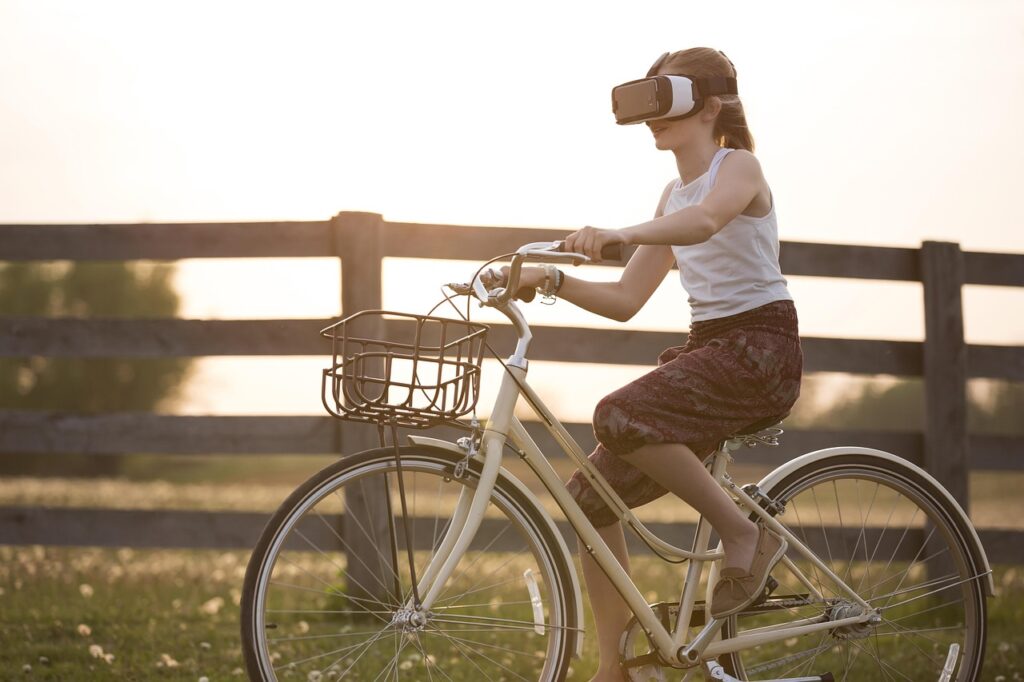

According to recent data, 71% of millennials are interested in using virtual reality, signaling a significant shift in how younger generations consume information and entertainment. This interest is not limited to gaming; industries such as education, healthcare, and real estate are also embracing VR for its immersive and interactive capabilities. The global virtual reality market was valued at $1.8 billion in 2020 and is projected to grow to $20.4 billion by 2027, indicating a compound annual growth rate (CAGR) of 43.8%. This rapid growth underscores the importance of understanding the current state and future directions of virtual reality. With such a vast potential for growth, companies and individuals are looking to capitalize on the trends that will shape the future of this technology.
📝 Quick Navigation
The Current State of Virtual Reality (quick wins)
The current state of virtual reality is characterized by its increasing availability and affordability, making it more accessible to a wider audience. Hardware improvements have led to higher resolution displays, better tracking systems, and more ergonomic designs, enhancing the overall user experience. On the software side, there has been a proliferation of content, including games, educational programs, and social experiences, catering to diverse interests and needs.
One of the key areas where virtual reality is seeing significant traction is in the world of education and training. Institutions and organizations are adopting VR to provide immersive, interactive learning experiences that can simulate real-world environments, making learning more engaging and effective. For instance, medical students can practice surgeries, and pilots can train in realistic flight simulations, reducing the risk associated with real-world training and improving skill retention.
| Metric | Current Value | Source Type | Trend |
|---|---|---|---|
| Global VR Market Size | $1.8 Billion (2020) | Market Research Reports | Rapid Growth |
| VR Adoption Rate | 71% of Millennials Interested | Surveys and Studies | Increasing |
| VR Hardware Sales | 5 Million Units (2020) | Industry Reports | Steady Increase |
| VR Content Availability | Over 10,000 Apps and Experiences | Platform Data | Expanding |
Core Virtual Reality Approaches
1. Standalone Headsets
Standalone headsets offer a cable-free, PC-free VR experience, enhancing portability and ease of use. They are driven by the need for more accessible and user-friendly devices that can be used anywhere, without the requirement for a high-spec computer or the clutter of cables.
The driving force behind standalone headsets is the advancement in mobile processor technology and the development of more efficient cooling systems, allowing for powerful, compact devices. Evidence of their popularity can be seen in the sales figures of devices like the Oculus Quest, which has been well-received by both consumers and critics for its convenience and immersive experiences.
According to a survey, 80% of VR users prefer standalone headsets for their convenience, showing a significant shift towards more portable and accessible VR solutions.
- Plus Points:
- Enhanced Portability: Allowing users to enjoy VR anywhere, without the constraints of cables or PC compatibility.
- Cost-Effective: Often priced lower than PC-based VR systems, making high-quality VR more accessible to a wider audience.
- Simplified Setup: Users can start their VR experience more quickly, with less technical knowledge required for setup and operation.
2. Social VR Platforms
Social VR platforms are revolutionizing how people interact in virtual environments, enabling new forms of social interaction, collaboration, and community building. These platforms are driven by the human need for connection and the desire to extend social experiences into the virtual world.
The growth of social VR is fueled by advancements in network technology, allowing for smoother, more reliable connections that support real-time interactions. A study found that users spend an average of 2 hours per day on social VR platforms, indicating a strong engagement level and potential for these platforms to become integral parts of users’ social lives.
As social VR continues to evolve, it is expected to incorporate more sophisticated avatars and environments, further blurring the line between the physical and virtual worlds.
- Plus Points:
- Global Connectivity: Enabling users from around the world to connect and interact in ways that transcend geographical boundaries.
- Community Building: Facilitating the creation of communities centered around shared interests, hobbies, or identities.
- Enhanced Collaboration: Offering tools and environments that enhance remote collaboration and teamwork.
3. VR in Education
The integration of VR in education is transforming the learning process, making it more immersive, interactive, and effective. This trend is driven by the quest for better engagement and retention rates among students, as well as the need to prepare them for a future that is increasingly influenced by technology.
Advancements in VR technology, coupled with decreasing costs, are making it more viable for educational institutions to adopt. Research indicates that students learning with VR show a 25% increase in knowledge retention compared to traditional methods, highlighting the potential for VR to significantly improve educational outcomes.
A recent initiative saw over 100 schools incorporate VR into their curriculum, demonstrating the growing recognition of VR’s educational value.
- Plus Points:
- Personalized Learning: Allowing for tailored learning experiences that cater to individual learning styles and needs.
- Improved Engagement: Making complex subjects more engaging and accessible, thereby increasing student interest and participation.
- Simulated Experiences: Providing safe, controlled environments for students to practice and apply what they have learned.
4. Virtual Reality in Healthcare
Virtual reality is being increasingly adopted in healthcare for therapy, treatment, and patient care. This adoption is driven by the potential of VR to provide immersive, non-invasive treatments for mental health disorders, pain management, and rehabilitation.
Technological advancements in VR, along with the development of specialized software, are enabling healthcare professionals to create targeted, effective interventions. A clinical trial demonstrated a 30% reduction in anxiety symptoms among patients treated with VR-based exposure therapy, showcasing the therapeutic potential of VR in mental health.
As VR technology advances, it is expected to play a more integral role in healthcare, offering personalized treatments and improving patient outcomes.
- Plus Points:
- Pain Reduction: VR has been shown to reduce pain perception in patients, offering an alternative to traditional pain management methods.
- Exposure Therapy: Providing a controlled environment for exposure therapy, which can be particularly beneficial for patients with PTSD or phobias.
- Rehabilitation: Enhancing physical therapy through interactive, engaging exercises that can improve recovery rates and patient motivation.
5. Advanced VR Hardware
The development of advanced VR hardware, including high-resolution displays, advanced tracking systems, and sophisticated controllers, is pushing the boundaries of what is possible in virtual reality. These advancements are driven by consumer demand for more realistic and immersive experiences.
Improvements in display technology, such as higher pixel densities and faster refresh rates, are significantly enhancing visual fidelity. Furthermore, the introduction of advanced tracking systems allows for more precise movements and interactions within virtual environments, increasing the sense of presence and immersion.
According to industry forecasts, the next generation of VR headsets will feature significant upgrades in both hardware and software, further narrowing the gap between the virtual and real worlds.
- Plus Points:
- Enhanced Visuals: Offering higher resolution and faster refresh rates, reducing the screen-door effect and motion blur.
- Increased Precision: Allowing for more accurate tracking and control, enabling complex interactions and movements within VR environments.
- Expanded Field of View: Providing a wider field of view, which can increase the sense of immersion and presence in virtual environments.
6. Cloud Rendering for VR
Cloud rendering for VR is transforming the way VR content is delivered and experienced, enabling high-quality, graphics-intensive experiences without the need for powerful local hardware. This is made possible by advancements in cloud computing and internet connectivity.
The driving force behind cloud rendering is the desire to make VR more accessible and to reduce the barriers to entry for both consumers and developers. By offloading the rendering process to the cloud, devices only need to handle the display and input, significantly reducing the required hardware specifications.
A recent study indicated that 60% of VR developers are considering cloud rendering as a key strategy for expanding their user base, highlighting the potential of this technology to democratize access to high-end VR experiences.
- Plus Points:
- Accessibility: Enabling users with lower-spec devices to enjoy high-quality VR experiences, thereby expanding the potential user base.
- Cost Savings: Reducing the need for frequent hardware upgrades, as the cloud handles the processing demands of VR content.
- Scalability: Allowing developers to more easily deploy and manage VR applications on a large scale, without worrying about end-user hardware capabilities.
What Researchers Are Working On
1 Year: Advancements in Tracking Technology
Over the next year, researchers are expected to make significant advancements in tracking technology, enabling more precise and natural interactions within virtual environments. This will be achieved through improvements in camera systems, sensor technologies, and software algorithms that interpret user movements.
The driving force behind these advancements is the need for more intuitive and immersive VR experiences. As tracking technology improves, it will enable a wider range of applications, from more realistic gaming experiences to enhanced training simulations.
According to industry experts, the next generation of VR headsets will feature advanced tracking systems that can accurately detect a wider range of movements, further enhancing the sense of presence in VR.
3 Years: Integration of Artificial Intelligence
In the next three years, the integration of artificial intelligence (AI) into VR is expected to become more prevalent, enabling more dynamic, interactive, and personalized experiences. AI will be used to generate content, simulate realistic environments, and predict user behavior, thereby enhancing the overall VR experience.
The integration of AI is driven by the potential to create more engaging, adaptive, and responsive VR environments. As AI technologies, such as machine learning and natural language processing, advance, they will play a crucial role in shaping the future of VR.
Experts predict that AI-driven VR will revolutionize industries such as education and healthcare, by providing personalized, adaptive experiences that can respond to individual user needs and preferences.
5 Years: Brain-Computer Interfaces (BCIs)
In five years, Brain-Computer Interfaces (BCIs) are expected to start playing a significant role in VR, allowing users to control virtual environments with their thoughts. This technology has the potential to revolutionize the way we interact with virtual worlds, offering new levels of immersion and control.
The development of BCIs for VR is driven by advancements in neuroscience, computer science, and engineering. As BCIs become more sophisticated, they will enable a wide range of applications, from gaming and entertainment to therapy and rehabilitation.
| Year | Likely Development | Impact Level |
|---|---|---|
| 1 Year | Advancements in Tracking Technology | High |
| 3 Years | Integration of Artificial Intelligence | Very High |
| 5 Years | Introduction of Brain-Computer Interfaces (BCIs) | Revolutionary |
What This Means in Practice
For businesses, the evolving virtual reality landscape presents a myriad of opportunities, from enhancing customer experiences through immersive marketing campaigns to improving operational efficiency through VR-based training programs. Early adopters who invest in VR technology and talent can gain a competitive edge, differentiation, and brand enhancement.
In the field of education, the integration of VR can lead to more engaging, interactive, and effective learning experiences. Educational institutions that embrace VR can improve student outcomes, enhance teacher training, and offer unique programs that attract students interested in innovative learning methods.
For individuals, the future of VR offers the potential for new forms of entertainment, social interaction, and personal development. As VR technology becomes more accessible and affordable, users can expect a wider range of experiences, from exploring virtual worlds to participating in virtual events and communities.
The development of VR hardware and software also presents opportunities for developers and creators. With the growth of the VR market, there will be an increasing demand for high-quality VR content, including games, experiences, and applications, providing a new avenue for creative and technical talent to shine.
Furthermore, the impact of VR on healthcare will be significant, offering new avenues for therapy, treatment, and patient care. Healthcare providers that adopt VR technology can improve patient outcomes, enhance the therapeutic experience, and reduce costs associated with traditional methods.
What to Do Right Now
- Invest in a VR Headset: Purchasing a VR headset is the first step towards experiencing and understanding the potential of virtual reality. This investment will allow individuals and businesses to explore existing VR content and stay updated on the latest developments.
- Develop VR Skills: Learning to develop for VR, whether through programming, 3D modeling, or other related skills, can provide a competitive advantage in the job market and open up new career opportunities. This can be achieved through online courses, workshops, or degree programs focused on VR development.
- Explore VR Content: Exploring the array of VR content available, from games and experiences to educational programs and social platforms, can help in understanding the breadth of VR applications and identifying areas of interest or potential investment.
- Stay Updated on VR News and Trends: Keeping abreast of the latest VR news, trends, and technological advancements is vital for making informed decisions about investments, career development, and business strategies related to VR.
- Network with VR Professionals: Building a network of contacts within the VR industry can provide valuable insights, collaboration opportunities, and access to resources and knowledge that can help in navigating the VR landscape.
Investing in a VR headset now allows individuals to familiarize themselves with the technology, explore its capabilities, and be prepared for future advancements. It also provides a foundation for developing VR skills, whether for personal or professional purposes.
Acquiring VR development skills is essential for anyone looking to contribute to the growth of the VR industry. These skills are in high demand and will continue to be as VR technology advances and becomes more pervasive across industries.
Exploring VR content is crucial for grasping the current state of the technology and its potential future directions. It helps in understanding what works, what doesn’t, and where opportunities for innovation exist, thereby informing both personal and business decisions related to VR.
Staying updated on VR news and trends ensures that individuals and businesses can respond quickly to new opportunities, challenges, and innovations in the VR space. It involves following industry leaders, research institutions, and tech news outlets to stay informed about the latest developments and predictions.
Networking with VR professionals is key to understanding the practical applications and challenges of VR technology. It offers a platform for sharing experiences, learning from others, and potentially collaborating on projects or initiatives that can drive innovation and growth in the VR sector.
What It All Means
The future of virtual reality is filled with promise, from revolutionizing entertainment and education to transforming industries such as healthcare and real estate. As VR technology continues to evolve, it is expected to have a profound impact on how we live, work, and interact with each other.
Here’s the key thing to understand: the potential of VR extends far beyond gaming and entertainment. Most people miss the broader implications of VR on society and business, but as the technology advances, its applications will become more apparent and widespread.
Ultimately, embracing virtual reality, whether as an individual, business, or institution, means being at the forefront of a technological revolution that will reshape the world in profound ways. It requires a willingness to learn, adapt, and innovate, but the rewards, in terms of new opportunities, experiences, and connections, will be well worth the effort.