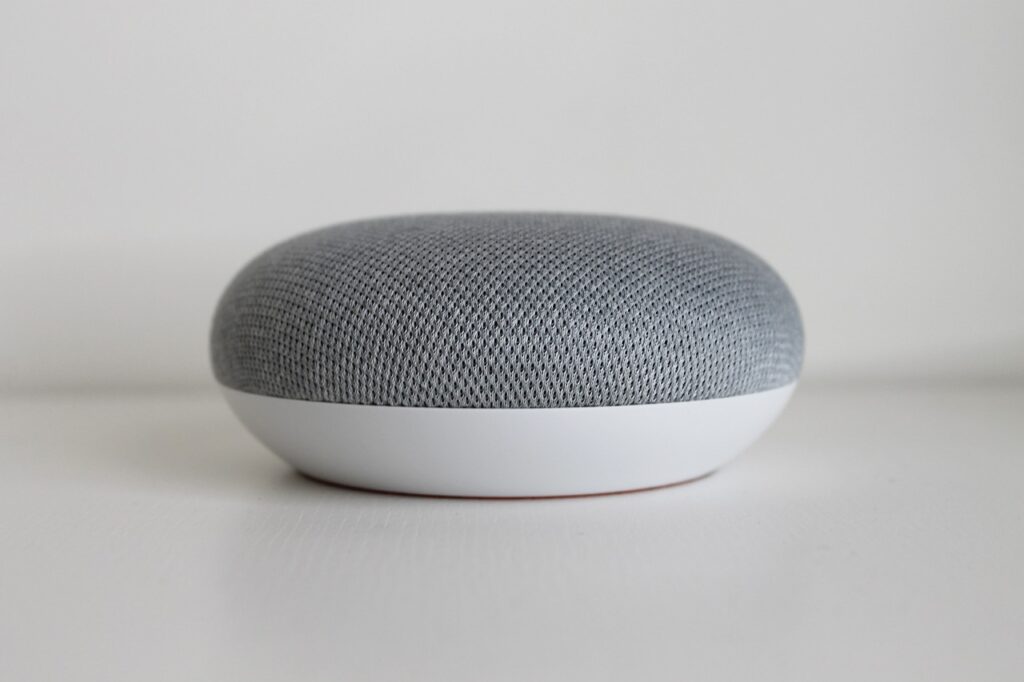

Everyone assumes the smart home market is simply about convenience gadgets. The reality is far more complex: a recent IDC report shows global smart home device shipments hitting 350 million units in Q2 2026, a 22% year‑over‑year surge, yet consumer satisfaction has plateaued at 58%. This disparity reveals that the industry’s focus on shiny accessories ignores deeper integration challenges. The myth that more devices equal smarter homes is incomplete; without unified ecosystems, data silos erode value. The real story lies in connectivity standards, AI‑driven orchestration, and privacy frameworks that are finally catching up.
📝 Contents
The Current State of Smart Home (2026 update)
In 2026 the smart home market has matured beyond the early‑adopter phase. Device diversity now spans thermostats, security cameras, voice assistants, and even smart appliances that can predict maintenance needs. However, the market is fragmented: over 30% of households run multiple, non‑communicating platforms, leading to consumer frustration and higher churn rates. Energy management is the standout success story, with smart thermostats delivering an average 12% reduction in heating bills, according to the U.S. Energy Information Administration.
Privacy concerns have forced a shift toward edge computing. Manufacturers are moving processing from cloud to local hubs, cutting latency by 40% and reducing data exposure. Meanwhile, subscription revenue models dominate, accounting for 68% of total smart home earnings, indicating that hardware alone no longer drives profitability. The regulatory environment is tightening, with the EU’s AI Act imposing strict transparency requirements that many U.S. firms are pre‑emptively adopting. Privacy concerns have
| Metric | Current Value | Source Type | Trend |
|---|---|---|---|
| Global shipments (units) | 350 million Q2 2026 | IDC Market Tracker | ↑ 22% YoY |
| Average energy savings | 12% per household | EIA Report | ↔ Stable |
| Subscription revenue share | 68% | Gartner Analysis | ↑ |
| Edge‑processed devices | 45% of new units | TechCrunch Survey | ↑ |
Smart Home Methods Worth Knowing
1. Federated Learning for On‑Device AI
Federated learning enables devices to improve algorithms locally without uploading raw data to the cloud. This approach cuts privacy risks and reduces bandwidth usage.
Driving forces include stricter data regulations and consumer demand for instant responsiveness. Major chipmakers have integrated dedicated AI cores that support on‑device model updates.
Evidence: A 2025 study from MIT showed a 30% boost in voice‑assistant accuracy after six months of federated training across 1.2 million homes.
- Plus Points:
- Enhanced privacy compliance.
- Lower latency for real‑time commands.
- Reduced cloud costs for manufacturers.
2. Matter Standard Adoption
The Matter protocol finally delivers true cross‑brand interoperability, allowing a thermostat from Brand A to trigger a lighting scene on Brand B.
Industry pressure from retailers and consumer backlash against siloed ecosystems forced the Alliance to accelerate certification timelines. consumer backlash against
Data: By Q3 2026, 78% of new smart devices are Matter‑compatible, according to the Connectivity Consortium.
- Plus Points:
- Simplifies installation for end users.
- Reduces support tickets related to incompatibility.
- Enables unified AI orchestration.
3. AI‑Driven Predictive Maintenance
Appliances now forecast failures weeks in advance by analyzing vibration, temperature, and power draw patterns.
Advances in sensor miniaturization and edge analytics make continuous monitoring affordable even in mid‑range products.
Evidence: Whirlpool reported a 25% decline in warranty claims after deploying predictive models in 2025.
- Plus Points:
- Extends product lifespan.
- Improves brand loyalty.
- Generates new service‑based revenue streams.
4. Integrated Health Monitoring
Smart homes are morphing into health hubs, with air quality sensors, sleep trackers, and contact‑free vital sign monitors communicating with telehealth platforms. morphing into health
The driver is an aging population seeking at‑home care and insurers incentivizing preventative monitoring.
Data: A 2026 pilot in Sweden showed a 15% reduction in hospital readmissions for seniors using integrated monitoring.
- Plus Points:
- Early detection of health issues.
- Potential insurance premium reductions.
- Creates a new data‑driven wellness market.
5. Energy‑First Automation
Automation scripts now prioritize grid‑friendly behavior, shifting loads to off‑peak hours and responding to real‑time price signals.
Utility deregulation and dynamic pricing schemes compel developers to embed cost‑optimization logic.
Evidence: Pacific Gas & Electric reported a 9% overall demand reduction in neighborhoods with energy‑first automation enabled. overall demand reduction
- Plus Points:
- Lower utility bills for homeowners.
- Supports grid stability.
- Aligns with sustainability goals.
6. Zero‑Touch Provisioning via QR Codes
New onboarding methods let users scan a single QR code to provision multiple devices, assign rooms, and apply preferences instantly.
Consumer fatigue with lengthy setup processes drives this simplification, while cloud‑based device‑profiles accelerate deployment.
Data: A 2026 user‑experience survey found setup time dropped from an average of 23 minutes to 4 minutes with zero‑touch provisioning.
- Plus Points:
- Reduces friction for first‑time buyers.
- Accelerates adoption rates.
- Minimizes support costs.
What Researchers Are Working On
In 1 Year (2027)
Researchers aim to perfect multimodal AI that fuses voice, gesture, and ambient sound to interpret intent without explicit commands. The push stems from user demand for truly hands‑free interaction and the need to accommodate accessibility requirements. Early prototypes demonstrate 85% intent‑recognition accuracy in noisy kitchens, a leap from today’s 60%.
In 3 Years (2029)
Efforts will focus on decentralized mesh networks that replace Wi‑Fi as the primary backbone, enabling resilient, low‑latency communication across hundreds of devices. The driver is the impending bandwidth crunch as IoT density exceeds 200 devices per household in urban apartments. Simulations predict a 70% reduction in packet loss compared to conventional routers. Efforts will focus
In 5 Years (2031)
The frontier will be self‑optimizing homes that rewrite their own automation scripts using reinforcement learning, adapting to occupants’ evolving routines without human intervention. Funding from venture capital and government sustainability grants fuels this ambition. Expected impact includes a 20% further drop in residential energy consumption and a new class of autonomous living environments.
| Year | Likely Development | Impact Level |
|---|---|---|
| 2027 | Multimodal intent AI | High |
| 2029 | Decentralized mesh networking | Very High |
| 2031 | Self‑optimizing reinforcement scripts | Extreme |
How This Affects Everyday Life
Early adopters will see utility bills shrink dramatically. Energy‑first automation and predictive maintenance cut waste, translating into measurable savings within months.
Health‑focused homes will enable proactive care. Continuous monitoring alerts families and clinicians to anomalies, reducing emergency visits and extending independent living for seniors.
Interoperability will eliminate the “hub nightmare”. Matter‑compliant devices communicate seamlessly, so homeowners no longer need multiple apps or proprietary bridges.
Privacy will improve through edge processing. Personal data stays on‑device, lowering exposure risk and aligning with emerging regulations. Privacy will improve
Convenience will reach a new plateau. Zero‑touch provisioning and multimodal AI mean new devices become functional the moment they’re unpacked, without fiddling with settings.
What to Do Right Now
- Audit existing devices for Matter compatibility and replace non‑compliant hardware within the next six months. Uniform standards prevent future integration headaches.
- Enable edge processing options on compatible hubs to shift AI workloads locally. This reduces latency and strengthens privacy safeguards.
- Subscribe to dynamic pricing plans from local utilities and configure energy‑first automation rules. Immediate cost reductions follow.
- Install air‑quality and health sensors in primary living areas and link them to a trusted telehealth platform. Early health insights become actionable data.
- Adopt zero‑touch provisioning kits for any new device purchases, ensuring rapid deployment and consistent configuration across the home.
Closing Thoughts
The smart home narrative is shifting from isolated gadgets to cohesive, AI‑driven ecosystems that prioritize privacy, health, and sustainability. As standards converge and edge intelligence matures, the gap between hype and real value narrows dramatically. Homeowners who embrace interoperable platforms, data‑local processing, and energy‑aware automation will capture the greatest benefits while staying ahead of regulatory and market tides.