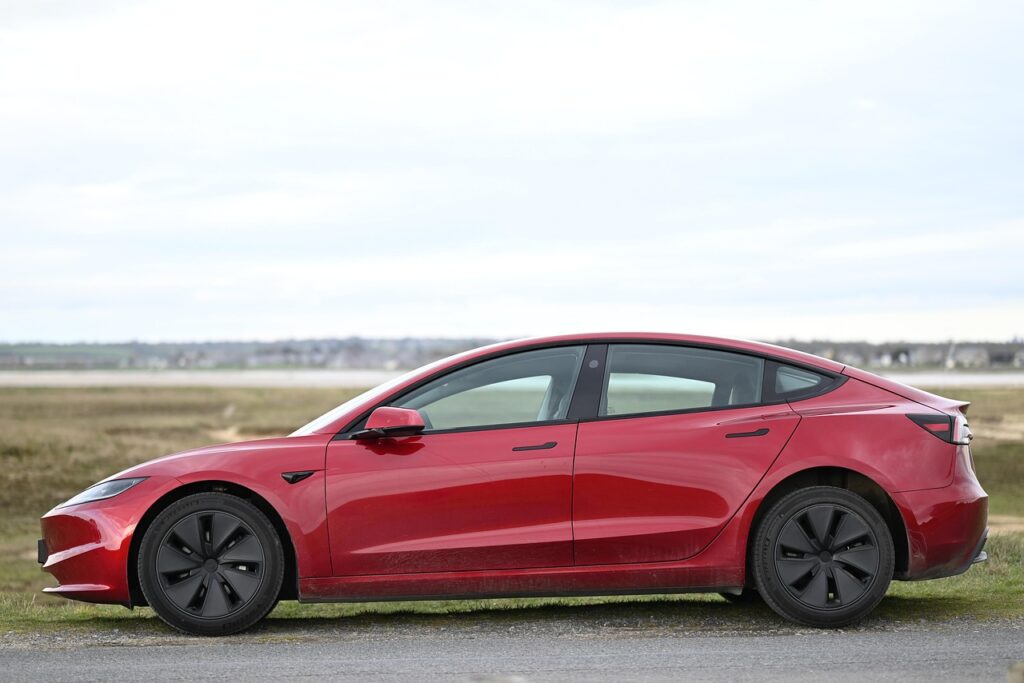

Electric vehicles are no longer a niche; they are redefining how societies move, power, and protect the planet. In 2026, breakthroughs in battery chemistry, charging infrastructure, and integration with renewable energy are turning promises into everyday reality. Consumers now weigh EVs against traditional cars with confidence, thanks to longer ranges, faster charging, and lower total cost of ownership. Governments worldwide are tightening emissions standards, creating incentives that accelerate adoption at an unprecedented pace. Here’s the key thing to understand: the EV revolution is a convergence of technology, policy, and consumer behavior, and each element reinforces the others, propelling the market forward faster than ever before.
📝 In This Post
Understanding Electric Vehicles
Electric vehicles (EVs) are automobiles powered wholly or partially by electricity stored in rechargeable batteries. Unlike internal combustion engine (ICE) cars, EVs convert electrical energy directly into motion, eliminating tailpipe emissions and reducing reliance on fossil fuels. In 2026, the term encompasses battery electric vehicles (BEVs), plug‑in hybrid electric vehicles (PHEVs), and fuel‑cell electric vehicles (FCEVs), each with distinct powertrains and use cases.
Most people miss this: the rapid decline in battery costs has made BEVs the dominant growth segment, while PHEVs serve as transitional models in markets where charging infrastructure lags. Meanwhile, FCEVs remain niche, primarily in heavy‑duty and long‑haul applications where hydrogen’s energy density offers advantages. Understanding these categories is essential for grasping why certain models excel in specific regions and why policy frameworks differ across jurisdictions. Most people miss
| Vehicle Type | Primary Energy Source | Typical Range (miles) | Charging/Fueling Time |
|---|---|---|---|
| BEV | Battery electricity | 250‑350 | 30 min (fast) to 8 h (home) |
| PHEV | Battery + gasoline | 40‑60 electric only | 3‑4 h (plug) + refuel |
| FCEV | Hydrogen fuel cell | 300‑400 | 5‑10 min (hydrogen) |
| Hybrid | Battery + ICE (non‑plug) | 30‑50 electric only | No plug (regenerative) |
The EV ecosystem extends beyond the vehicle itself. Charging stations, grid management software, vehicle‑to‑grid (V2G) technologies, and aftermarket services all play pivotal roles. In 2026, the integration of smart chargers with renewable‑rich grids enables owners to charge when electricity is cheapest and cleanest, turning cars into mobile energy storage units. Most people miss this synergy, yet it is the cornerstone of the broader sustainability impact.
Leading Electric Vehicles Solutions
1. Advanced Lithium‑Sulfur Batteries
Advanced lithium‑sulfur (Li‑S) batteries promise higher energy density than traditional lithium‑ion cells, translating into longer ranges without increasing vehicle weight.
Manufacturers adopting Li‑S technology report 20‑30% more kilowatt‑hours per kilogram, allowing midsize sedans to exceed 400 miles on a single charge. The chemistry also reduces reliance on scarce cobalt, improving supply chain resilience.
- Why It Works:
- Higher theoretical energy density enables extended range.
- Reduced cobalt usage mitigates ethical and geopolitical concerns.
- Improved cycle life lowers total cost of ownership.
2. Ultra‑Fast DC Charging Networks
Ultra‑fast DC chargers deliver 350 kW or more, replenishing an 80% charge in under 15 minutes for many modern BEVs.
Key players have deployed modular charging stations along highways, integrating battery storage to smooth grid demand spikes. This approach ensures drivers experience minimal downtime, making long trips comparable to gasoline refueling. players have deployed
- Why It Works:
- High power output dramatically reduces charging time.
- On‑site storage buffers grid load, enhancing reliability.
- Modular design allows rapid scaling as demand grows.
3. Integrated Vehicle‑to‑Grid (V2G) Platforms
V2G platforms enable EVs to discharge stored electricity back to the grid during peak demand, providing ancillary services and earning revenue for owners.
In 2026, utility‑scale pilots have demonstrated that a fleet of 10,000 vehicles can supply up to 50 MW of peak power, offsetting renewable intermittency and reducing overall system costs.
- Why It Works:
- Bidirectional chargers unlock a new revenue stream for owners.
- Aggregated capacity stabilizes grids with high renewable penetration.
- Smart algorithms optimize discharge to maximize profit and battery health.
4. Solid‑State Battery Integration
Solid‑state batteries replace liquid electrolytes with solid materials, offering safety improvements and higher energy density.
Early adopters in premium segments report faster charging (up to 200 kW) without thermal runaway risk. Although production costs remain higher, economies of scale are rapidly driving prices toward parity with lithium‑ion.
- Why It Works:
- Eliminates flammable liquid electrolyte, enhancing safety.
- Higher energy density supports longer range in smaller packages.
- Faster charge acceptance improves user convenience.
5. Hydrogen Fuel‑Cell Powertrains for Heavy Duty
Hydrogen fuel‑cell systems provide rapid refueling and long range, ideal for trucks, buses, and off‑road equipment. Hydrogen fuelcell systems
2026 sees the rollout of regional hydrogen hubs, where trucks can refuel in under five minutes and travel 500+ miles per tank. The zero‑emission profile aligns with stringent city air‑quality regulations.
- Why It Works:
- Fast refueling matches diesel operational patterns.
- High energy density supports long‑haul applications.
- Zero tailpipe emissions meet urban environmental goals.
Real-World Benefits
✔ Lower Operating Costs
Electric drivetrains have fewer moving parts, reducing maintenance expenses. Electricity per mile is typically 30‑50% cheaper than gasoline, delivering immediate savings for owners.
✔ Extended Driving Range
Advances in battery chemistry and efficient power electronics now allow most midsize EVs to exceed 350 miles, alleviating range anxiety for daily commuters and road‑trippers alike. efficient power electronics
✔ Environmental Impact Reduction
Zero tailpipe emissions cut local pollutants, while lifecycle analyses show a 40‑60% reduction in greenhouse‑gas emissions compared to comparable ICE vehicles when charged with a renewable‑heavy grid.
✔ Energy Grid Flexibility
Through V2G, EVs act as distributed storage, helping balance supply and demand, especially during periods of high solar or wind generation.
✔ Incentives and Tax Benefits see this resource
Many jurisdictions offer purchase rebates, tax credits, and reduced registration fees, effectively lowering the upfront price and accelerating payback periods.
✔ Enhanced Driving Experience
Instant torque provides smoother acceleration, while quiet operation improves cabin comfort and reduces noise pollution in urban environments.
Looking Ahead
- Mass Adoption of Solid‑State Batteries
Within the next five years, solid‑state batteries are expected to achieve cost parity, enabling mainstream manufacturers to offer 500‑mile ranges without compromising safety.
- Nationwide Ultra‑Fast Charging Coverage
Governments and private firms will collaborate to install ultra‑fast chargers at 90% of highway exits, making long‑distance EV travel indistinguishable from gasoline trips. private firms will
- Expansion of V2G Marketplaces
Digital platforms will emerge that allow individual owners to sell stored energy directly to utilities, creating a new consumer revenue stream.
- Hydrogen Hub Networks for Freight
Strategic hydrogen production hubs will supply zero‑emission fuel for long‑haul trucks, reducing diesel consumption by up to 80% in logistics corridors.
- Integration with Renewable Microgrids
Community microgrids will pair solar arrays with shared EV charging stations, fostering energy independence and resilience against outages.
| Region | BEV Market Share 2023 | BEV Market Share 2026 Forecast | Key Policy Driver |
|---|---|---|---|
| North America | 6% | 15% | Federal tax credits + ZEV mandates |
| Europe | 12% | 30% | EU CO₂ fleet‑average limits |
| China | 25% | 45% | Subsidies + NEV quotas |
| India | 2% | 10% | Faster adoption incentives |
Final Thoughts
The 2026 electric vehicle landscape demonstrates that technological breakthroughs, supportive policies, and evolving consumer expectations are converging to make EVs the new norm. As batteries become safer, cheaper, and more energy dense, and as charging infrastructure mirrors the convenience of fuel stations, the advantages of electric mobility become undeniable. Ultimately, the shift toward electric propulsion not only reshapes transportation but also empowers individuals and societies to achieve broader environmental and economic goals.