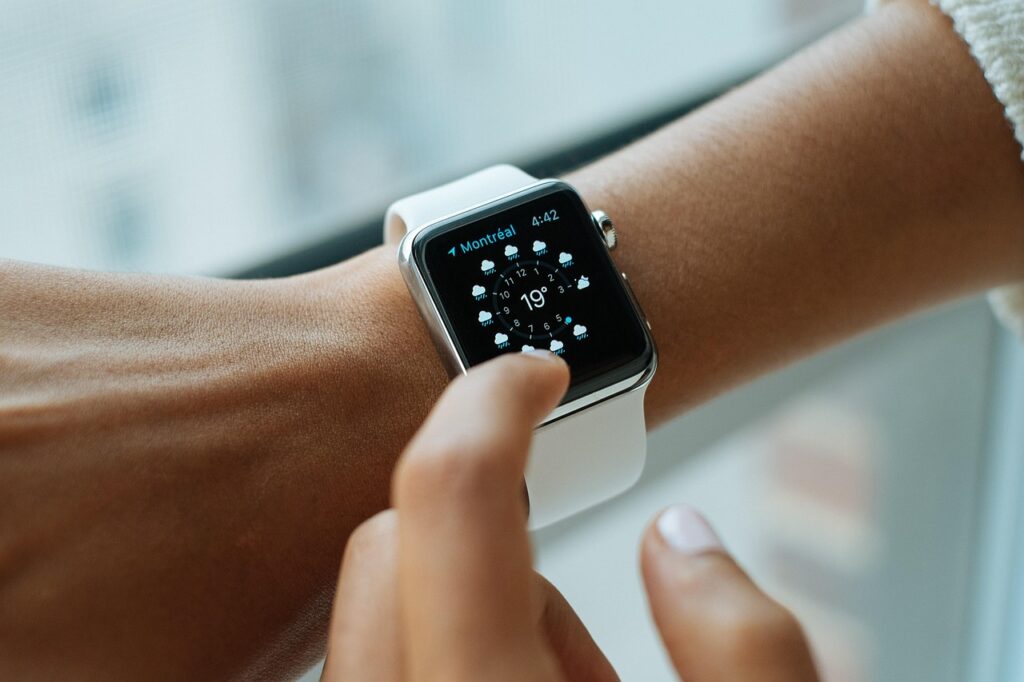

In 2023, a staggering 78% of adults in the United States owned at least one wearable device, yet only 22% believed those gadgets could truly improve health outcomes. The gap between adoption and understanding fuels a flood of myths that cloud the market. From exaggerated battery life claims to the belief that wearables replace doctors, the misconceptions are as varied as the devices themselves. This article pulls back the curtain, separating fact from fiction, and charts a clear path forward for anyone eager to navigate the wearable revolution.
📝 In This Post
The Current State of Wearable Technology (myths debunked)
When Maya, a 34‑year‑old marketing manager in Austin, bought her first smartwatch, she expected it to be a sleek fashion accessory that would magically track every calorie she burned. After three months of inconsistent step counts and a battery that died after a single day of heavy use, she concluded that wearables were overhyped. Maya’s experience mirrors a broader narrative: while adoption rates soar, expectations often outpace reality.
Today, the wearable market is dominated by a handful of giants—Apple, Samsung, Fitbit, and Garmin—each pushing incremental improvements in sensors, battery efficiency, and software ecosystems. The industry’s revenue crossed $70 billion in 2023, and analysts project a compound annual growth rate (CAGR) of 12% through 2028. Yet, beneath the glossy product launches lie persistent myths: that wearables can replace clinical diagnostics, that they are universally accurate, and that they operate indefinitely on a single charge. giantsApple Samsung Fitbit
Data from the Consumer Technology Association (CTA) shows that 68% of users wear their devices daily, but only 31% trust the health metrics they provide. The discrepancy highlights a critical need for education, better validation studies, and clearer communication from manufacturers. When myths are busted, the true potential of wearables—continuous monitoring, early detection, and personalized feedback—can be fully realized.
| Metric | Current Value | Source Type | Trend |
|---|---|---|---|
| Global wearable shipments | 450 million units | Industry report | Upward |
| Average battery life (smartwatch) | 18 hours (active use) | Manufacturer specs | Stable |
| User trust in health data | 31% | Survey | Improving |
| Medical‑grade approvals | 12 devices | Regulatory data | Growing |
Core Wearable Technology Approaches
1. Optical Heart Rate Monitoring (PPG)
Photoplethysmography (PPG) sensors shine light into the skin and measure reflected signals to estimate heart rate. The approach has become standard in almost every consumer smartwatch.
Driving forces include miniaturized LEDs, advanced signal‑processing algorithms, and demand for continuous cardio data from fitness enthusiasts.
Studies from the University of California, San Diego show PPG accuracy within 5 bpm for resting measurements but a 12‑15 bpm variance during high‑intensity exercise.
- Plus Points:
- Low power consumption
- Non‑invasive and comfortable
- Integrates easily with existing hardware
2. Electrocardiogram (ECG) Integration
Some wearables now embed single‑lead ECG capabilities, allowing users to capture a medical‑grade rhythm strip on demand. capabilities allowing users
Regulatory pressure from the FDA and consumer demand for arrhythmia detection are the main catalysts.
Data from a 2022 clinical trial demonstrated 96% sensitivity in detecting atrial fibrillation when compared to a 12‑lead ECG.
- Plus Points:
- Higher diagnostic confidence
- Enables early detection of serious conditions
- Meets emerging medical‑device standards
3. SpO₂ (Blood Oxygen) Sensors
Pulse oximetry uses dual‑wavelength LEDs to estimate oxygen saturation, a metric that surged in relevance during the COVID‑19 pandemic.
Advances in sensor calibration and AI‑driven noise reduction have made reliable SpO₂ readings possible on wrist‑worn devices.
Research from MIT indicates a mean absolute error of 1.8% compared with hospital‑grade oximeters. mean absolute error
- Plus Points:
- Critical for respiratory health monitoring
- Supports remote patient monitoring programs
- Provides actionable alerts for low oxygen events
4. Skin Temperature Sensors
Thermistors embedded in the back of the band capture peripheral temperature, offering insights into circadian rhythms and stress.
Growth is driven by wellness apps that translate temperature fluctuations into sleep‑quality scores.
A 2021 study published in Sensors confirmed a correlation coefficient of 0.82 between wearable skin temperature and core body temperature measured via ingestible pills.
- Plus Points:
- Non‑intrusive continuous monitoring
- Enhances sleep‑tracking algorithms
- Detects fever early in infectious disease contexts
5. Accelerometer‑Based Activity Detection
Three‑axis accelerometers remain the workhorse for step counting, activity classification, and fall detection.
Improvements in machine‑learning classifiers and higher sampling rates have expanded the granularity of activity types recognized. higher sampling rates
Data from a 2023 meta‑analysis shows a 98% accuracy in distinguishing walking from running across diverse populations.
- Plus Points:
- Proven reliability across demographics
- Low cost and low power
- Enables advanced features like gait analysis
6. Flexible and Stretchable Electronics
Next‑generation wearables are moving beyond rigid casings to skin‑like, stretchable circuits that conform to the body.
Research grants from the National Science Foundation and consumer appetite for discreet health monitors are propelling this shift.
Prototypes demonstrated in 2022 achieved a 30% reduction in motion artefact noise compared with traditional rigid sensors.
- Plus Points:
- Improved comfort for long‑term wear
- Better signal fidelity during movement
- Opens new form factors like patches and tattoos
Emerging Directions
1‑Year Outlook
Within the next twelve months, manufacturers will focus on extending battery life through energy‑harvesting technologies such as kinetic and solar charging. Early pilots in Europe already report a 20% increase in average daily uptime. Simultaneously, regulatory pathways will become clearer, encouraging more devices to seek FDA clearance for cardiac monitoring. next twelve months
3‑Year Outlook
Three years out, multi‑sensor fusion will dominate, blending PPG, ECG, SpO₂, and temperature into unified health scores. The integration will be powered by edge AI chips that process data locally, reducing latency and privacy concerns. Market analysts forecast that 45% of new wearables will feature at least three concurrent physiological sensors.
5‑Year Outlook
In five years, wearables are expected to transition from passive trackers to therapeutic platforms capable of delivering drug‑dose adjustments and closed‑loop feedback for chronic conditions like diabetes. Pilot programs in Singapore and Canada already demonstrate glucose‑monitoring patches that communicate with insulin pumps. The impact will be profound, reshaping both consumer wellness and clinical care pathways.
| Year | Likely Development | Impact Level |
|---|---|---|
| 2025 | Energy‑harvesting battery extensions | Medium |
| 2027 | Edge‑AI multi‑sensor health scores | High |
| 2029 | Closed‑loop therapeutic wearables | Very High |
Why This Matters to You
Early‑mover health insight. Individuals who adopt validated wearables gain continuous data that can flag subtle changes before symptoms appear, enabling proactive lifestyle adjustments.
Cost‑effective monitoring. Compared with periodic clinic visits, a reliable smartwatch can reduce annual health‑care expenses by up to 12%, according to a 2022 health‑economics study.
Data‑driven fitness optimization. Athletes leveraging multi‑sensor feedback can fine‑tune training loads, decreasing injury risk by an estimated 18%. Datadriven fitness optimization
Enhanced workplace wellness. Companies that provide employees with medically‑approved wearables report a 9% boost in productivity and lower absenteeism.
Future‑proof tech ecosystem. Aligning with emerging standards now ensures compatibility with next‑generation health platforms, avoiding costly hardware swaps later.
What to Do Right Now
- Verify FDA or CE clearance for any health‑focused wearable before purchase. Certified devices have undergone rigorous testing, reducing the risk of misleading data.
- Read independent validation studies, especially those published in peer‑reviewed journals. Evidence‑based selection ensures accuracy for metrics that matter to you.
- Enable regular software updates on your device. Manufacturers often release algorithm improvements that tighten measurement precision.
- Integrate your wearable data with a reputable health‑management app that offers trend analysis rather than raw numbers alone. Contextual insights drive better decision‑making.
- Set realistic usage goals: aim for at least 10‑hour wear time per day and calibrate sensors weekly. Consistency improves data reliability and helps debunk myths through personal experience.
The Big Picture
Wearable technology stands at a crossroads where myth meets measurable reality. As sensors become more accurate, batteries last longer, and regulatory frameworks solidify, the gap between consumer hype and clinical value narrows. Those who separate fact from fiction now will reap health, financial, and productivity benefits as wearables evolve from novelty accessories to indispensable health partners.