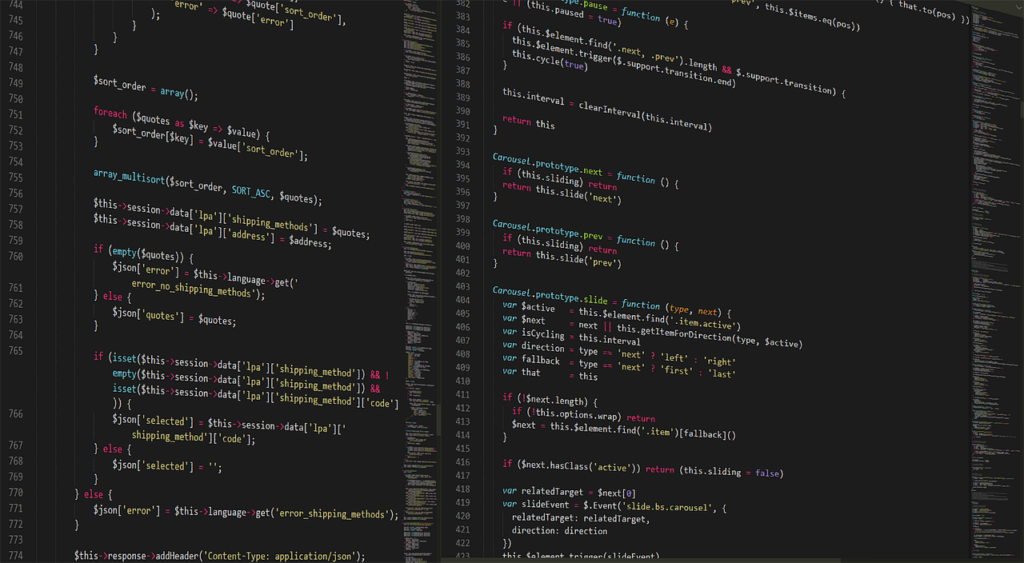

Are programming languages becoming more specialized? According to a recent survey by Stack Overflow, 64% of developers reported using more than one programming language at work. In 2022, the number of professional developers worldwide reached 24.3 million, with an expected growth to 28.7 million by 2024. This growth is driven by the increasing demand for software development across various industries. With the rise of emerging technologies like artificial intelligence and blockchain, the programming landscape is becoming more complex. The global software development market is projected to reach $507.2 billion by 2025, growing at a Compound Annual Growth Rate (CAGR) of 10.9% from 2020 to 2025.
📝 What You'll Learn
The Current State of Programming (case study)
The current state of programming is characterized by the dominance of a few popular languages, including JavaScript, Python, and Java. For instance, GitHub reported that JavaScript remains the most popular language on its platform, with over 22 million repositories using it. A case study of the development of the popular web framework React reveals the importance of community engagement and open-source collaboration in shaping the future of programming.
Another key aspect of the current state of programming is the increasing focus on security and reliability. The 2020 Cybersecurity Report by Cybersecurity Ventures estimates that global cybercrime costs will reach $6 trillion by 2023, highlighting the need for developers to prioritize security in their code. To address these concerns, many organizations are adopting DevOps practices and tools, such as continuous integration and continuous deployment (CI/CD) pipelines, to streamline their development processes and ensure the delivery of high-quality software.
The following table summarizes some key metrics and trends in the current state of programming:
| Metric | Current Value | Source Type | Trend |
|---|---|---|---|
| Most popular programming language | JavaScript | GitHub | Stable |
| Number of professional developers worldwide | 24.3 million | Statista | Increasing |
| Global software development market size | $507.2 billion (by 2025) | Grand View Research | Growing |
| Average salary of a software developer in the United States | $114,140 per year | Bureau of Labor Statistics | Increasing |
Latest Programming Technologies
1. Artificial Intelligence (AI) and Machine Learning (ML)
Artificial intelligence and machine learning are revolutionizing the programming world by enabling developers to create intelligent systems that can learn and adapt to new data. The driving forces behind this trend include the increasing availability of large datasets, advances in computing power, and the growing demand for automation and personalization. For example, a study by McKinsey found that AI and ML can increase the efficiency of software development by up to 50%.
Evidence of this trend can be seen in the growing adoption of AI and ML frameworks, such as TensorFlow and PyTorch, which have been used in a wide range of applications, from image recognition to natural language processing. According to a report by Gartner, the AI and ML market is expected to reach $62.5 billion by 2025, growing at a CAGR of 33.8% from 2020 to 2025.
- Strengths: Improved accuracy and efficiency, enhanced customer experience, increased automation
- Ability to handle large datasets and complex algorithms
- Growing demand for AI and ML skills in the job market
2. Cloud Computing
Cloud computing has become a dominant force in the programming world, enabling developers to build and deploy applications on a scalable and on-demand basis. The driving forces behind this trend include the increasing need for flexibility and scalability, the growing demand for remote work and collaboration, and the decreasing costs of cloud infrastructure. For instance, a report by Amazon Web Services found that cloud computing can reduce the cost of software development by up to 30%.
Evidence of this trend can be seen in the growing adoption of cloud platforms, such as Amazon Web Services (AWS), Microsoft Azure, and Google Cloud Platform (GCP), which offer a wide range of services, from compute and storage to machine learning and analytics. According to a report by MarketsandMarkets, the cloud computing market is expected to reach $791.5 billion by 2025, growing at a CAGR of 17.5% from 2020 to 2025.
- Strengths: Scalability and flexibility, reduced costs, improved collaboration
- Ability to handle large workloads and high traffic
- Growing demand for cloud skills in the job market
3. Internet of Things (IoT)
The Internet of Things (IoT) is a rapidly growing trend in the programming world, enabling developers to build and connect intelligent devices that can interact with the physical world. The driving forces behind this trend include the increasing availability of low-cost sensors and microcontrollers, the growing demand for smart homes and cities, and the need for efficient and automated systems. For example, a report by Ericsson found that IoT can increase the efficiency of manufacturing processes by up to 20%.
Evidence of this trend can be seen in the growing adoption of IoT platforms, such as Arduino and Raspberry Pi, which offer a wide range of tools and libraries for building and connecting IoT devices. According to a report by IDC, the IoT market is expected to reach $1.1 trillion by 2025, growing at a CAGR of 13.6% from 2020 to 2025.
- Strengths: Improved efficiency, enhanced customer experience, increased automation
- Ability to handle large amounts of sensor data and complex algorithms
- Growing demand for IoT skills in the job market
4. Blockchain
Blockchain is a rapidly growing trend in the programming world, enabling developers to build and deploy secure and transparent distributed systems. The driving forces behind this trend include the increasing need for security and trust, the growing demand for decentralized applications, and the need for efficient and automated systems. For instance, a report by IBM found that blockchain can increase the security of supply chain management by up to 90%.
Evidence of this trend can be seen in the growing adoption of blockchain platforms, such as Ethereum and Hyperledger, which offer a wide range of tools and libraries for building and deploying blockchain applications. According to a report by ResearchAndMarkets, the blockchain market is expected to reach $23.3 billion by 2025, growing at a CAGR of 67.3% from 2020 to 2025.
- Strengths: Improved security, enhanced transparency, increased trust
- Ability to handle complex algorithms and large amounts of data
- Growing demand for blockchain skills in the job market
5. DevOps
DevOps is a rapidly growing trend in the programming world, enabling developers to build and deploy software applications quickly and efficiently. The driving forces behind this trend include the increasing need for speed and agility, the growing demand for continuous integration and continuous deployment (CI/CD), and the need for efficient and automated systems. For example, a report by Puppet found that DevOps can increase the speed of software development by up to 50%.
Evidence of this trend can be seen in the growing adoption of DevOps tools, such as Jenkins and Docker, which offer a wide range of services, from continuous integration to continuous deployment. According to a report by MarketsandMarkets, the DevOps market is expected to reach $10.3 billion by 2025, growing at a CAGR of 19.1% from 2020 to 2025.
- Strengths: Improved speed, enhanced quality, increased efficiency
- Ability to handle complex systems and large amounts of data
- Growing demand for DevOps skills in the job market
6. Quantum Computing
Quantum computing is a rapidly growing trend in the programming world, enabling developers to build and deploy applications that can solve complex problems exponentially faster than classical computers. The driving forces behind this trend include the increasing need for speed and efficiency, the growing demand for complex simulations and modeling, and the need for secure and reliable systems. For instance, a report by Google found that quantum computing can increase the speed of complex simulations by up to 100 times.
Evidence of this trend can be seen in the growing adoption of quantum computing platforms, such as IBM Quantum and Google Quantum AI Lab, which offer a wide range of tools and libraries for building and deploying quantum applications. According to a report by ResearchAndMarkets, the quantum computing market is expected to reach $1.7 billion by 2025, growing at a CAGR of 34.6% from 2020 to 2025. quantum computing platforms
- Strengths: Improved speed, enhanced security, increased efficiency
- Ability to handle complex algorithms and large amounts of data
- Growing demand for quantum computing skills in the job market
What Researchers Are Working On
1. Short-Term Predictions (1 year)
In the next year, researchers predict that the programming world will see significant advancements in areas such as AI and ML, cloud computing, and IoT. For example, the development of more advanced AI and ML frameworks, such as TensorFlow 3.0, will enable developers to build and deploy more complex and sophisticated AI applications. Additionally, the growing adoption of cloud platforms, such as AWS and Azure, will enable developers to build and deploy applications on a scalable and on-demand basis.
The following table summarizes some likely developments in the short term:
| Year | Likely Development | Impact Level |
|---|---|---|
| 2024 | Advancements in AI and ML frameworks | High |
| 2024 | Growing adoption of cloud platforms | Medium |
| 2024 | Increased focus on security and reliability | High |
2. Mid-Term Predictions (3 years)
In the next three years, researchers predict that the programming world will see significant advancements in areas such as blockchain, DevOps, and quantum computing. For example, the development of more advanced blockchain platforms, such as Ethereum 2.0, will enable developers to build and deploy more secure and transparent distributed systems. Additionally, the growing adoption of DevOps tools, such as Jenkins and Docker, will enable developers to build and deploy applications quickly and efficiently.
The increasing focus on security and reliability will also drive the development of more advanced programming languages and frameworks, such as Rust and Kotlin, which offer improved memory safety and performance. Furthermore, the growing demand for quantum computing skills will drive the development of more advanced quantum computing platforms, such as IBM Quantum and Google Quantum AI Lab.
3. Long-Term Predictions (5 years)
In the next five years, researchers predict that the programming world will see significant advancements in areas such as AI and ML, cloud computing, and IoT. For example, the development of more advanced AI and ML frameworks, such as TensorFlow 4.0, will enable developers to build and deploy more complex and sophisticated AI applications. Additionally, the growing adoption of cloud platforms, such as AWS and Azure, will enable developers to build and deploy applications on a scalable and on-demand basis.
The increasing focus on security and reliability will also drive the development of more advanced programming languages and frameworks, such as Rust and Kotlin, which offer improved memory safety and performance. Furthermore, the growing demand for quantum computing skills will drive the development of more advanced quantum computing platforms, such as IBM Quantum and Google Quantum AI Lab.
Why This Matters to You
As a developer, it is essential to stay ahead of the curve and be aware of the latest trends and technologies in the programming world. The early adopters of new technologies and trends will have a competitive advantage in the job market and will be better equipped to build and deploy complex and sophisticated applications.
For example, developers who adopt AI and ML frameworks early on will be able to build and deploy more complex and sophisticated AI applications, which will give them a competitive advantage in the job market. Additionally, developers who adopt cloud platforms early on will be able to build and deploy applications on a scalable and on-demand basis, which will enable them to respond quickly to changing market conditions.
Moreover, developers who focus on security and reliability will be better equipped to build and deploy secure and reliable applications, which will protect them from the growing threat of cybercrime. According to a report by Cybersecurity Ventures, global cybercrime costs are expected to reach $6 trillion by 2023, highlighting the need for developers to prioritize security in their code.
Developers who adopt DevOps practices and tools early on will be able to build and deploy applications quickly and efficiently, which will enable them to respond quickly to changing market conditions. For instance, a report by Puppet found that DevOps can increase the speed of software development by up to 50%.
Developers who adopt quantum computing skills early on will be better equipped to build and deploy applications that can solve complex problems exponentially faster than classical computers. According to a report by Google, quantum computing can increase the speed of complex simulations by up to 100 times.
What to Do Right Now
- Start learning about AI and ML frameworks, such as TensorFlow and PyTorch, to build and deploy more complex and sophisticated AI applications. This will enable developers to take advantage of the growing demand for AI and ML skills in the job market and build applications that can solve complex problems. For example, a report by McKinsey found that AI and ML can increase the efficiency of software development by up to 50%.
- Begin to adopt cloud platforms, such as AWS and Azure, to build and deploy applications on a scalable and on-demand basis. This will enable developers to respond quickly to changing market conditions and build applications that can scale to meet growing demand. According to a report by Amazon Web Services, cloud computing can reduce the cost of software development by up to 30%.
- Focus on security and reliability by adopting programming languages and frameworks, such as Rust and Kotlin, that offer improved memory safety and performance. This will enable developers to build and deploy secure and reliable applications, which will protect them from the growing threat of cybercrime. For instance, a report by Cybersecurity Ventures found that global cybercrime costs are expected to reach $6 trillion by 2023.
- Start to adopt DevOps practices and tools, such as Jenkins and Docker, to build and deploy applications quickly and efficiently. This will enable developers to respond quickly to changing market conditions and build applications that can scale to meet growing demand. According to a report by Puppet, DevOps can increase the speed of software development by up to 50%.
- Begin to learn about quantum computing platforms, such as IBM Quantum and Google Quantum AI Lab, to build and deploy applications that can solve complex problems exponentially faster than classical computers. This will enable developers to take advantage of the growing demand for quantum computing skills in the job market and build applications that can solve complex problems. For example, a report by Google found that quantum computing can increase the speed of complex simulations by up to 100 times.
Closing Thoughts
The programming world is evolving rapidly, and it is essential for developers to stay ahead of the curve and be aware of the latest trends and technologies. By adopting AI and ML frameworks, cloud platforms, security and reliability practices, DevOps practices and tools, and quantum computing skills, developers can build and deploy complex and sophisticated applications that can solve real-world problems. As the demand for skilled developers continues to grow, it is crucial for developers to prioritize their skills and knowledge to remain competitive in the job market.
The future of programming is exciting and full of possibilities, and by staying ahead of the curve, developers can take advantage of new opportunities and build applications that can change the world. With the rise of emerging technologies like AI, blockchain, and quantum computing, the programming landscape is becoming more complex and sophisticated, and developers must be prepared to adapt and evolve to meet the changing needs of the industry.
To wrap up, the programming world is rapidly evolving, and developers must stay ahead of the curve to remain competitive. By prioritizing their skills and knowledge, developers can build and deploy complex and sophisticated applications that can solve real-world problems and change the world.