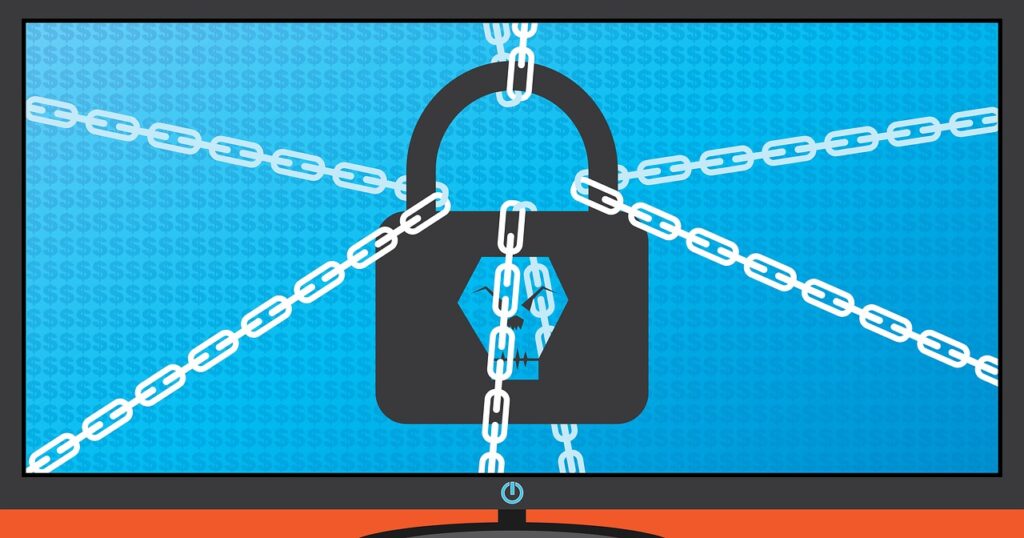

Ransomware attacks have become increasingly common, with high-profile cases like the 2017 WannaCry attack affecting over 200,000 computers in 150 countries, and the 2020 Garmin attack, which forced the company to shut down its services for several days. These incidents highlight the severity of the issue and the importance of understanding ransomware. Many people mistakenly believe that ransomware only targets large corporations, but the reality is that anyone can be a victim. Ransomware can spread through seemingly harmless email attachments or infected software downloads. For instance, in 2019, the city of Baltimore was hit by a ransomware attack that crippled its computer systems, resulting in an estimated $10 million in damages.
📝 Table of Contents
Common Challenges With Understanding Ransomware (what I wish I knew)
Lack of Awareness
The primary challenge many individuals and organizations face is a lack of awareness about what ransomware is and how it operates. Ransomware is a type of malware that encrypts a victim’s files or locks their device and demands a ransom in exchange for the decryption key. This lack of understanding stems from the rapidly evolving nature of cyber threats and the limited coverage of cybersecurity in mainstream media. As a result, many people are not aware of the simple precautions they can take to protect themselves, such as regularly updating their operating system and using antivirus software.
Complexity of Attacks
Ransomware attacks are becoming increasingly sophisticated, making them harder to detect and prevent. Modern ransomware variants can spread laterally within a network, infecting multiple devices and making it difficult to contain the attack. This complexity is due to the advancements in malware development and the use of AI and machine learning by cybercriminals to create more effective and evasive strains of ransomware. For example, the Ryuk ransomware, which was used in the 2020 attack on the Universal Health Services hospital chain, is known for its ability to evade detection by traditional antivirus software.
Insufficient Backup Systems
Another significant challenge is the lack of adequate backup systems. Many organizations and individuals do not have a robust backup strategy in place, which means that in the event of a ransomware attack, they may lose critical data. This is often due to the misconception that backups are a luxury rather than a necessity, or the belief that cloud storage services like Google Drive or Dropbox serve as sufficient backups. However, these services can also be vulnerable to ransomware, as seen in the 2019 case where a ransomware attack on a cloud storage provider resulted in the loss of customer data. Another significant challenge
Underestimating the Risk
Some individuals and organizations underestimate the risk of ransomware, believing that they are not likely targets. However, ransomware can affect anyone with an internet connection. This underestimation can lead to complacency, resulting in a lack of investment in cybersecurity measures. The 2020 attack on the New Orleans city government, which forced the city to declare a state of emergency, is a prime example of how ransomware can affect even the most unexpected targets.
Difficulty in Recovery
Recovering from a ransomware attack can be extremely challenging. Even if the ransom is paid, there is no guarantee that the decryption key will be provided or that it will work. This difficulty is exacerbated by the emotional and psychological impact of the attack on the victims. The city of Atlanta, for instance, spent over $17 million recovering from a 2018 ransomware attack, highlighting the significant costs associated with recovery.
Leading Ransomware Solutions
1. Implement Regular Backups
Implementing regular backups is one of the most effective ways to protect against ransomware. This involves creating multiple copies of critical data and storing them in secure locations, both on-site and off-site. To implement this solution, individuals and organizations should invest in backup software that can automate the process and ensure that backups are not accessible to ransomware. For example, using the 3-2-1 rule, where three copies of data are maintained on two different types of media, with one copy being off-site, can significantly reduce the risk of data loss.
- Strengths: Provides a quick recovery option, reduces reliance on ransom payments, and ensures business continuity.
- Enhances data security through redundancy.
- Supports compliance with data protection regulations.
2. Use Anti-Ransomware Software
Utilizing anti-ransomware software is another crucial step in protecting against these threats. This software is designed to detect and block ransomware before it can cause harm. To implement this solution, individuals and organizations should research and select reputable anti-ransomware tools that can be integrated into their existing cybersecurity infrastructure. For instance, solutions like Acronis Ransomware Protection or CyberSight RansomStopper can provide real-time protection against ransomware attacks.
- Strengths: Offers real-time protection, identifies and blocks suspicious activity, and provides alerts for potential threats.
- Complements existing antivirus software for enhanced security.
- Supports automatic updates to stay ahead of evolving threats.
3. Educate Users
Educating users about the risks of ransomware and how to prevent attacks is vital. This involves training employees or family members on safe computing practices, such as avoiding suspicious emails and attachments, and not clicking on unknown links. Implementing this solution requires developing a comprehensive cybersecurity awareness program that includes regular training sessions, phishing simulations, and feedback mechanisms. For example, the SANS Institute’s cybersecurity awareness training program has been successful in reducing the risk of ransomware attacks by educating users on best practices.
- Strengths: Empowers users to take proactive measures against ransomware, reduces the likelihood of successful attacks, and fosters a culture of cybersecurity.
- Enhances user awareness of phishing and other social engineering tactics.
- Supports compliance with regulatory requirements for cybersecurity training.
4. Keep Software Up-to-Date
Keeping all software up-to-date is essential for preventing ransomware attacks. This includes operating systems, applications, and firmware. To implement this solution, individuals and organizations should enable automatic updates for all software and ensure that any updates are thoroughly tested before deployment. For instance, setting up a patch management system can help streamline the update process and reduce vulnerabilities.
- Strengths: Patches known vulnerabilities that ransomware can exploit, ensures compatibility with the latest security features, and reduces the risk of outdated software being targeted.
- Enhances overall system performance and stability.
- Supports compliance with cybersecurity standards and regulations.
5. Use Strong Passwords and Enable MFA
Using strong, unique passwords and enabling multi-factor authentication (MFA) can significantly reduce the risk of ransomware attacks. This solution involves implementing a password management policy that requires regular password changes and the use of a password manager to generate and store complex passwords. Additionally, enabling MFA, such as two-factor authentication (2FA), can provide an additional layer of security. For example, using a solution like Microsoft Azure Active Directory (Azure AD) can simplify the implementation of MFA across an organization.
- Strengths: Makes it more difficult for attackers to gain unauthorized access, reduces the risk of password-related breaches, and provides an additional layer of security.
- Enhances user accountability and traceability.
- Supports compliance with password security standards and regulations.
6. Implement Network Segmentation
Implementing network segmentation is a critical step in preventing the spread of ransomware. This involves dividing a network into smaller, isolated segments, each with its own access controls and security measures. To implement this solution, individuals and organizations should conduct a thorough network assessment to identify areas that can be segmented and then deploy virtual local area networks (VLANs) or other segmentation technologies. For instance, using a next-generation firewall (NGFW) like Fortinet’s FortiGate can provide advanced network segmentation capabilities.
- Strengths: Limits the spread of ransomware in the event of an attack, enhances network visibility and control, and supports compliance with network security standards.
- Reduces the attack surface by isolating critical assets.
- Enhances overall network security and resilience.
| Approach | Old Way | Better Way | Result |
|---|---|---|---|
| Backup Strategy | Manual, periodic backups | Automated, continuous backups | Reduced risk of data loss, faster recovery |
| Security Updates | Manual updates, potentially outdated | Automatic, real-time updates | Enhanced protection against known vulnerabilities |
| User Education | One-time training, limited scope | Regular, comprehensive training | Improved user awareness, reduced risk of successful attacks |
| Network Security | Flat network architecture | Segmented network with access controls | Limited spread of malware, enhanced security |
| Ransomware Detection | Reactive, post-attack detection | Proactive, real-time detection and prevention | Faster response, reduced damage |
Why This Matters to You
The impact of ransomware can be felt across various aspects of life, from personal data loss to significant financial costs for businesses. For instance, the 2020 ransomware attack on the Toll Group, a logistics company, resulted in a month-long shutdown of its IT systems, affecting operations worldwide. This highlights the importance of being proactive about cybersecurity, as the consequences of inaction can be severe. Understanding ransomware and taking steps to protect against it is not just about safeguarding data; it’s about protecting livelihoods and ensuring the continuity of essential services.
In another case, a small medical practice in the United States was hit by a ransomware attack, resulting in the loss of patient records and a significant disruption to services. The practice had to notify its patients of the breach and offer them credit monitoring services, which added to the overall cost of the incident. This example illustrates how ransomware can affect even the smallest of organizations and the importance of having robust cybersecurity measures in place.
Ransomware attacks can also have a profound psychological impact on victims. The sense of violation and helplessness that comes with losing control of personal or professional data can be overwhelming. In some cases, the aftermath of a ransomware attack can lead to long-term stress and anxiety, affecting not just the individual but also their relationships and overall well-being. Therefore, understanding the risks and taking proactive steps to mitigate them is crucial for both personal and professional cybersecurity.
Furthermore, the financial implications of ransomware attacks can be devastating. Beyond the immediate cost of paying the ransom, which is no guarantee of data recovery, there are the costs associated with downtime, recovery efforts, and potential legal liabilities. For example, the city of Riviera Beach in Florida paid a ransom of $600,000 in 2019 to restore access to its computer systems, only to face additional costs for recovery and enhancement of its cybersecurity infrastructure. This underscores the need for a comprehensive approach to ransomware protection that includes prevention, detection, and response strategies. data recovery there
To wrap up, the threat of ransomware is real and affects individuals and organizations across all sectors. By understanding the risks and taking proactive measures, such as implementing robust backup systems, using anti-ransomware software, and educating users, it is possible to significantly reduce the threat of ransomware. The importance of cybersecurity awareness and the implementation of best practices cannot be overstated, as they are key to safeguarding against these threats and ensuring the continuity of critical services and operations.
Step-by-Step Action Plan
- Conduct a thorough risk assessment to identify potential vulnerabilities in your systems and data. This step is crucial because it helps in understanding where your defenses are weak and where you need to focus your security efforts.
- Implement a robust backup strategy that includes automated, continuous backups to secure locations. This is essential because it provides a safety net in case of an attack, allowing for quick recovery and minimizing data loss.
- Invest in reputable anti-ransomware software and ensure it is updated regularly. This is important because anti-ransomware software can detect and block ransomware attacks, providing a critical layer of defense against these threats.
- Develop a comprehensive cybersecurity awareness program for all users. This step is vital because educating users about the risks of ransomware and how to prevent attacks can significantly reduce the likelihood of a successful attack.
- Enable automatic updates for all software and ensure that updates are thoroughly tested before deployment. This is necessary because keeping software up-to-date patches known vulnerabilities that ransomware can exploit, thereby reducing the risk of attack.
- Use strong, unique passwords and enable multi-factor authentication (MFA) for all accounts. This is crucial because strong passwords and MFA make it more difficult for attackers to gain unauthorized access, reducing the risk of ransomware attacks.
- Implement network segmentation to limit the spread of ransomware in the event of an attack. This is important because network segmentation can contain the attack, preventing it from spreading to other parts of the network and reducing the overall impact of the incident.
To Sum Up
Ransomware poses a significant threat to individuals and organizations, with the potential to cause considerable financial and emotional damage. However, by understanding the nature of these threats and taking proactive steps to protect against them, it is possible to mitigate the risks. Implementing robust backup systems, using anti-ransomware software, educating users, and keeping software up-to-date are just a few of the strategies that can be employed to safeguard against ransomware. As technology continues to evolve, so too will the threats, making ongoing education and adaptation crucial in the fight against ransomware. Looking forward, the development of more sophisticated cybersecurity tools and strategies, coupled with increased awareness and vigilance, will be key to protecting against these threats and ensuring a safer digital environment for all.