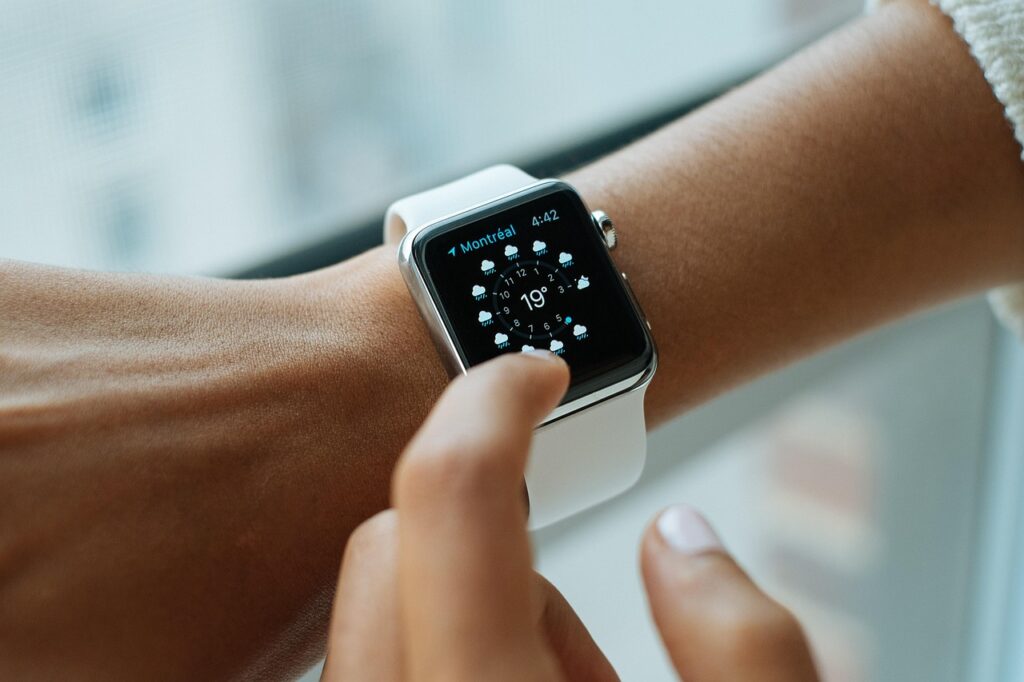

For someone who just discovered wearable technology, the transformation can be astounding. Take the story of Sarah, a 35-year-old marketing executive from New York, who was struggling to manage her time and stay active. She started wearing a smartwatch that tracked her daily activities, sleep patterns, and heart rate. Within a month, she noticed significant improvements in her overall health and productivity. She was able to wake up earlier, exercise regularly, and even manage her workload more efficiently. This is just one example of how wearable technology can change lives. With the right device, anyone can experience similar benefits. The key is to understand what wearable technology has to offer and how to use it effectively.
📝 Contents
Defining Wearable Technology
Wearable technology refers to electronic devices that are designed to be worn on the body, either as an accessory or as part of the clothing. These devices are equipped with sensors, software, and connectivity options that allow them to collect and transmit data, providing users with valuable insights into their health, fitness, and daily activities. Wearable technology has come a long way since its inception, with devices ranging from simple pedometers to sophisticated smartwatches and fitness trackers.
| Term | Plain-English Meaning |
|---|---|
| Wearable Device | An electronic device designed to be worn on the body. |
| Sensor | A component that detects and measures physical parameters such as heart rate, temperature, or motion. |
| Fitness Tracker | A wearable device that monitors and records physical activity, sleep, and other health metrics. |
| Smartwatch | A wearable device that combines the features of a watch with those of a smartphone, allowing users to receive notifications, control music playback, and track fitness metrics. |
| Health Monitoring | The use of wearable devices to track and monitor health metrics such as heart rate, blood pressure, and oxygen saturation. |
| Data Analytics | The process of collecting, analyzing, and interpreting data from wearable devices to gain insights into user behavior and health metrics. |
Why Wearable Technology Matters
The impact of wearable technology can be seen in various aspects of life. For instance, a study conducted by the University of California, Los Angeles (UCLA) found that wearing a fitness tracker increased physical activity levels by 23% among participants. Similarly, a survey by the National Sleep Foundation discovered that 60% of smartwatch users reported improved sleep quality after using their device to track sleep patterns. These statistics demonstrate the real-world benefits of wearable technology, from enhancing physical activity to improving sleep quality.
Wearable technology also plays a crucial role in healthcare. Devices like smartwatches and fitness trackers can monitor vital signs, detect health anomalies, and provide alerts in emergency situations. For example, the Apple Watch Series 7 has a built-in electrocardiogram (ECG) feature that can detect irregular heart rhythms and alert users to seek medical attention. This feature has already saved numerous lives, with one reported case of a 46-year-old man from California who received a notification from his Apple Watch about an irregular heartbeat, prompting him to visit the hospital and undergo a life-saving surgery.
The benefits of wearable technology extend beyond individual users to entire communities. In the city of Boston, for instance, a program called "Wearables for Wellness" was launched to promote physical activity among residents. Participants were given fitness trackers and encouraged to engage in regular exercise, with rewards and incentives for reaching fitness milestones. The program resulted in a significant increase in physical activity levels among participants, with 75% reporting improved overall health and wellbeing.
Latest Wearable Technology
-
Step Tracking
Step tracking is a fundamental feature of most wearable devices, allowing users to monitor their daily physical activity. To use this feature, simply wear the device on your wrist or clip it to your clothing, and it will automatically track your steps, distance traveled, and calories burned. However, a common beginner mistake is to rely solely on step tracking, neglecting other important health metrics such as sleep quality and heart rate. most wearable devices
Advantages:
- Encourages physical activity and exercise
- Provides insights into daily habits and behavior
-
Heart Rate Monitoring
Heart rate monitoring is another crucial feature of wearable technology, allowing users to track their heart rate in real-time. To use this feature, simply wear the device on your wrist, and it will continuously monitor your heart rate, providing alerts if it detects any anomalies. However, a common mistake is to ignore these alerts or fail to seek medical attention when necessary.
Advantages:
- Provides real-time insights into cardiovascular health
- Helps detect potential health issues before they become severe
-
Sleep Tracking
Sleep tracking is a feature that allows users to monitor their sleep patterns, providing insights into sleep quality and duration. To use this feature, simply wear the device on your wrist or place it on your bedside table, and it will automatically track your sleep patterns, including the amount of time spent in deep sleep, light sleep, and REM sleep. However, a common mistake is to neglect establishing a consistent sleep schedule, which can negatively impact sleep quality.
Advantages:
- Helps identify sleep disorders and patterns
- Provides insights into overall sleep health and wellbeing
-
GPS Tracking
GPS tracking is a feature that allows users to track their location and distance traveled during outdoor activities such as running, cycling, or hiking. To use this feature, simply wear the device on your wrist or clip it to your clothing, and it will provide real-time GPS tracking, including distance, speed, and route information. However, a common mistake is to neglect calibrating the GPS signal, which can result in inaccurate readings.
Advantages: find out how
- Provides accurate distance and location tracking
- Helps navigate during outdoor activities
-
Notification Alerts
Notification alerts are a feature that allows users to receive notifications from their smartphone, including texts, emails, and social media updates. To use this feature, simply connect your wearable device to your smartphone via Bluetooth, and it will provide real-time notification alerts, allowing you to stay connected on-the-go. However, a common mistake is to neglect customizing notification settings, which can result in unnecessary distractions.
Advantages:
- Keeps users connected and informed
- Helps prioritize tasks and manage time more efficiently
-
Music Control
Music control is a feature that allows users to control their music playback directly from their wearable device. To use this feature, simply connect your wearable device to your smartphone or music player via Bluetooth, and it will allow you to play, pause, and skip tracks with ease. However, a common mistake is to neglect updating the device software, which can result in compatibility issues with certain music players.
Advantages:
- Provides convenient music control
- Enhances the overall music listening experience
-
Data Analytics
Data analytics is a feature that allows users to gain insights into their health and fitness data, providing a comprehensive overview of their progress over time. To use this feature, simply sync your wearable device with the companion app, and it will provide detailed analytics and charts, helping you understand your data and make informed decisions about your health and wellbeing. However, a common mistake is to neglect regularly reviewing and analyzing the data, which can result in missed opportunities for improvement.
Advantages:
- Provides valuable insights into health and fitness metrics
- Helps users set and achieve fitness goals
| Step | What You Do | Expected Result |
|---|---|---|
| 1. Step Tracking | Wear the device on your wrist or clip it to your clothing | Tracks daily physical activity, including steps, distance, and calories burned |
| 2. Heart Rate Monitoring | Wear the device on your wrist | Provides real-time heart rate monitoring and alerts for anomalies |
| 3. Sleep Tracking | Wear the device on your wrist or place it on your bedside table | Tracks sleep patterns, including duration, quality, and stages of sleep |
| 4. GPS Tracking | Wear the device on your wrist or clip it to your clothing | Provides accurate distance and location tracking during outdoor activities |
| 5. Notification Alerts | Connect the device to your smartphone via Bluetooth | Receives real-time notification alerts from your smartphone |
| 6. Music Control | Connect the device to your smartphone or music player via Bluetooth | Allows users to control music playback directly from the wearable device |
| 7. Data Analytics | Sync the device with the companion app | Provides detailed analytics and insights into health and fitness metrics |
Frequently Asked Questions
What is the average cost of a wearable device?
The average cost of a wearable device can range from $50 to $500, depending on the features, brand, and quality of the device. Basic fitness trackers can start at around $50, while advanced smartwatches can cost upwards of $300.
How long does the battery life of a wearable device typically last?
The battery life of a wearable device can vary greatly, depending on the device and usage patterns. Some devices can last up to 5 days on a single charge, while others may require daily charging. On average, most wearable devices have a battery life of around 2-3 days.
Can wearable devices be used for medical diagnosis?
While wearable devices can provide valuable insights into health metrics, they should not be relied upon for medical diagnosis. Wearable devices are designed to track general health and fitness metrics, and any concerns or anomalies should be discussed with a medical professional for proper evaluation and diagnosis.
Are wearable devices compatible with all smartphones?
Most wearable devices are compatible with both Android and iOS smartphones, but it’s essential to check the compatibility before purchasing a device. Some devices may have limited functionality or compatibility issues with certain smartphone models or operating systems.
Can wearable devices be used in water or extreme temperatures?
Some wearable devices are designed to be water-resistant or waterproof, while others may not be suitable for use in water or extreme temperatures. It’s crucial to check the device’s specifications and manufacturer’s guidelines before using it in water or extreme conditions.
To Sum Up
Wearable technology has come a long way, offering a wide range of devices and features that can enhance daily life, from fitness tracking and heart rate monitoring to notification alerts and music control. With the latest wearable technology, users can gain valuable insights into their health and fitness metrics, making informed decisions about their wellbeing. Whether you’re a fitness enthusiast, a busy professional, or simply looking to improve your overall health, wearable technology has something to offer, and it’s an exciting time to explore the possibilities of this innovative technology.
As the wearable technology market continues to evolve, we can expect to see even more advanced features and devices that integrate seamlessly into our daily lives. From smart clothing to augmented reality glasses, the future of wearable technology is full of possibilities, and it’s essential to stay informed and up-to-date on the latest developments and innovations.
To wrap up, wearable technology is a powerful tool that can have a significant impact on our lives, and it’s crucial to understand its benefits, features, and limitations to get the most out of these devices. By embracing wearable technology and exploring its possibilities, we can take the first step towards a healthier, more connected, and more informed future.