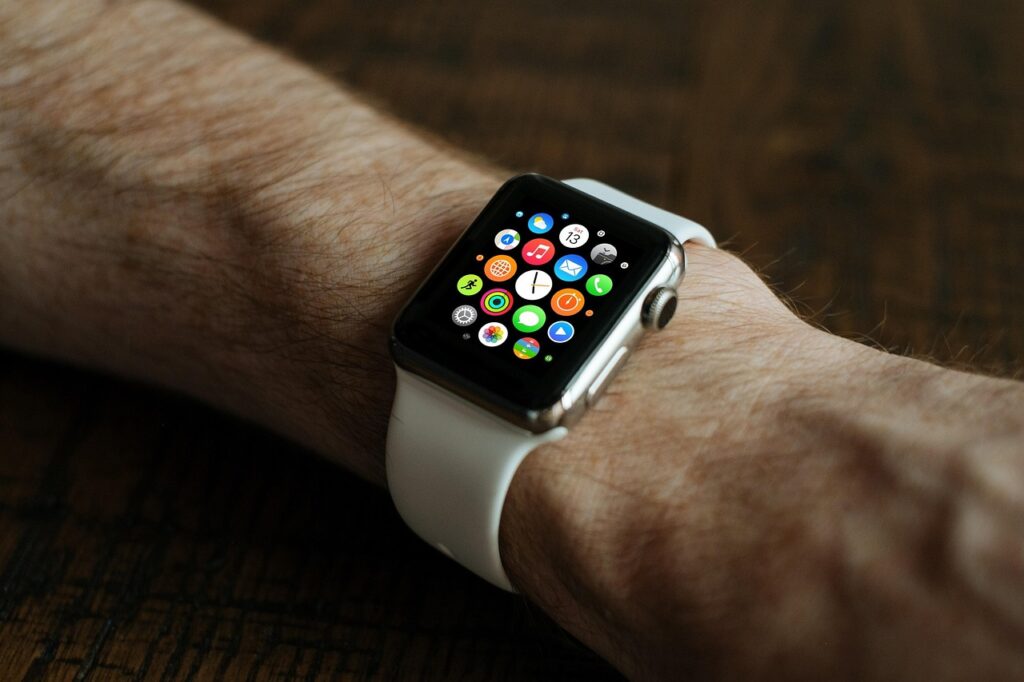

A striking statistic that highlights the growth of wearable technology is that over 300 million wearable devices were shipped worldwide in 2020 alone, with this number expected to rise to over 500 million by 2025. This surge in popularity can be attributed to the increasing awareness of health and wellness, as well as advancements in technology that have made wearable devices more affordable and accessible. However, many people still have misconceptions about wearable technology, believing it to be solely focused on fitness tracking. In reality, wearable technology encompasses a wide range of devices and applications, from smart glasses to hearing aids. Despite the misconceptions, wearable technology has become an integral part of our daily lives, with many people relying on these devices to monitor their health, receive notifications, and control their music playlists. As the technology continues to evolve, it will be interesting to see how it transforms various aspects of our lives.
&#; Table of Contents
The Current State of Wearable Technology (quick wins)
The current state of wearable technology is characterized by a proliferation of devices that cater to different needs and preferences. From basic fitness trackers to advanced smartwatches, there are numerous options available in the market. One of the key drivers of this growth is the increasing adoption of wearable devices among consumers, with many people using these devices to track their daily activities, monitor their health, and stay connected with their social networks. The popularity of wearable technology can also be attributed to the advancements in sensor technology, which have enabled the development of more accurate and reliable devices. Furthermore, the decline in the cost of manufacturing wearable devices has made them more affordable and accessible to a wider audience.
A recent study by IDC found that the global wearable device market grew by 21.6% in 2020, with smartwatches accounting for the largest share of the market. The study also found that the average price of a wearable device decreased by 15% in 2020, making it more affordable for consumers to purchase these devices. Another key trend in the current state of wearable technology is the increasing focus on health and wellness, with many devices now incorporating features such as heart rate monitoring, sleep tracking, and stress detection.
| Metric | Current Value | Source Type | Trend |
|---|---|---|---|
| Number of wearable devices shipped in 2020 | 300 million | Market research report | Increasing |
| Average price of a wearable device | $150 | Industry analysis | Decreasing |
| Market share of smartwatches | 60% | Market research report | Increasing |
| Number of health and wellness apps available | 100,000 | App store data | Increasing |
Major Wearable Technology Developments
1. Advancements in Sensor Technology
Advances in sensor technology have been a key driver of innovation in wearable technology, enabling the development of more accurate and reliable devices. These advancements have led to the creation of sensors that can track a wide range of health metrics, including heart rate, blood pressure, and sleep quality. The driving forces behind these advancements include the increasing demand for wearable devices that can provide accurate and reliable health data, as well as the need for devices that can track a wide range of health metrics. Evidence of these advancements can be seen in the development of devices such as the Apple Watch Series 7, which features a built-in electrocardiogram (ECG) sensor.
- Key Benefits:
- More accurate and reliable health data
- Ability to track a wide range of health metrics
- Improved user experience
2. Growth of Smart Clothing
The growth of smart clothing has been a significant development in wearable technology, with many companies now incorporating wearable technology into clothing and textiles. This has led to the creation of clothing that can track health metrics, provide real-time feedback, and even monitor the wearer’s environment. The driving forces behind this growth include the increasing demand for wearable devices that are more discreet and convenient, as well as the need for devices that can provide real-time feedback. Evidence of this growth can be seen in the development of smart clothing such as the Hexoskin smart shirt, which features built-in sensors that can track health metrics such as heart rate and breathing rate.
- Key Benefits:
- More discreet and convenient wearable devices
- Ability to track health metrics in real-time
- Improved user experience
3. Increasing Adoption of Augmented Reality (AR) Technology
The increasing adoption of AR technology has been a significant development in wearable technology, with many companies now incorporating AR features into wearable devices. This has led to the creation of devices that can provide real-time feedback, enhance the user experience, and even offer virtual try-on capabilities. The driving forces behind this adoption include the increasing demand for wearable devices that can provide more immersive and interactive experiences, as well as the need for devices that can provide real-time feedback. Evidence of this adoption can be seen in the development of devices such as the Vuzix Blade smart glasses, which feature built-in AR capabilities.
- Key Benefits:
- More immersive and interactive user experiences
- Ability to provide real-time feedback
- Improved user experience
4. Development of Wearable Devices for Specific Health Conditions
The development of wearable devices for specific health conditions has been a significant development in wearable technology, with many companies now creating devices that can track and monitor specific health conditions such as diabetes, asthma, and epilepsy. This has led to the creation of devices that can provide real-time feedback, offer personalized recommendations, and even alert emergency services in the event of an emergency. The driving forces behind this development include the increasing demand for wearable devices that can provide more personalized and targeted healthcare, as well as the need for devices that can help manage specific health conditions. Evidence of this development can be seen in the creation of devices such as the Dexcom G6 continuous glucose monitor, which features built-in sensors that can track glucose levels in real-time.
- Key Benefits:
- More personalized and targeted healthcare
- Ability to track and monitor specific health conditions
- Improved user experience
5. Growth of Wearable Technology in the Enterprise Sector
The growth of wearable technology in the enterprise sector has been a significant development, with many companies now incorporating wearable devices into their operations. This has led to the creation of devices that can track employee health and wellness, provide real-time feedback, and even improve workplace safety. The driving forces behind this growth include the increasing demand for wearable devices that can provide more efficient and effective operations, as well as the need for devices that can help improve employee health and wellness. Evidence of this growth can be seen in the development of devices such as the Garmin Vivosport, which features built-in GPS and heart rate monitoring capabilities.
- Key Benefits:
- More efficient and effective operations
- Improved employee health and wellness
- Enhanced workplace safety
6. Increasing Focus on Artificial Intelligence (AI) and Machine Learning (ML)
The increasing focus on AI and ML has been a significant development in wearable technology, with many companies now incorporating AI and ML algorithms into wearable devices. This has led to the creation of devices that can provide more personalized and targeted feedback, offer real-time recommendations, and even predict health outcomes. The driving forces behind this focus include the increasing demand for wearable devices that can provide more intelligent and intuitive user experiences, as well as the need for devices that can help improve health outcomes. Evidence of this focus can be seen in the development of devices such as the Fitbit Ionic, which features built-in AI and ML algorithms that can track and analyze user data.
- Key Benefits:
- More personalized and targeted feedback
- Ability to offer real-time recommendations
- Improved health outcomes
What to Expect Next
1. Short-Term Developments (1 year)
In the short term, wearable technology is expected to continue to evolve and improve, with advancements in sensor technology, AI, and ML leading the charge. One of the key developments that can be expected in the next year is the increased adoption of wearable devices that can track and monitor specific health conditions, such as diabetes and asthma. Additionally, there will be a growing focus on the development of wearable devices that can provide more personalized and targeted feedback, with many companies incorporating AI and ML algorithms into their devices. As a result, users can expect to see more intelligent and intuitive wearable devices that can provide real-time recommendations and improve health outcomes.
2. Medium-Term Developments (3 years)
In the medium term, wearable technology is expected to become even more integrated into our daily lives, with advancements in smart clothing, AR, and VR leading the charge. One of the key developments that can be expected in the next three years is the increased adoption of smart clothing, with many companies incorporating wearable technology into clothing and textiles. Additionally, there will be a growing focus on the development of wearable devices that can provide more immersive and interactive user experiences, with many companies incorporating AR and VR capabilities into their devices. As a result, users can expect to see more seamless and intuitive wearable devices that can provide real-time feedback and improve health outcomes.
3. Long-Term Developments (5 years)
In the long term, wearable technology is expected to continue to evolve and improve, with advancements in AI, ML, and the Internet of Things (IoT) leading the charge. One of the key developments that can be expected in the next five years is the increased adoption of wearable devices that can provide more personalized and targeted healthcare, with many companies incorporating AI and ML algorithms into their devices. Additionally, there will be a growing focus on the development of wearable devices that can provide more seamless and intuitive user experiences, with many companies incorporating IoT capabilities into their devices. As a result, users can expect to see more intelligent and connected wearable devices that can provide real-time feedback and improve health outcomes.
| Year | Likely Development | Impact Level |
|---|---|---|
| 2023 | Increased adoption of wearable devices that can track and monitor specific health conditions | High |
| 2025 | Increased adoption of smart clothing and AR capabilities in wearable devices | Medium |
| 2027 | Increased adoption of wearable devices that can provide more personalized and targeted healthcare | High |
Why This Matters to You
Wearable technology has the potential to transform various aspects of our lives, from healthcare and fitness to education and entertainment. By staying ahead of the curve and adopting wearable devices, individuals can experience a wide range of benefits, including improved health outcomes, increased productivity, and enhanced user experiences. For example, wearable devices can help individuals track their daily activities, monitor their health metrics, and receive real-time feedback, which can lead to improved health outcomes and increased productivity.
Moreover, wearable technology can also have a significant impact on the healthcare industry, enabling healthcare professionals to provide more personalized and targeted care. By incorporating wearable devices into healthcare services, healthcare professionals can track patient health metrics in real-time, provide real-time feedback, and even predict health outcomes. This can lead to improved health outcomes, reduced healthcare costs, and enhanced patient experiences.
Additionally, wearable technology can also have a significant impact on the education sector, enabling educators to create more immersive and interactive learning experiences. By incorporating wearable devices into educational services, educators can provide real-time feedback, offer personalized recommendations, and even track student progress. This can lead to improved learning outcomes, increased student engagement, and enhanced educational experiences.
Wearable technology can also have a significant impact on the entertainment industry, enabling content creators to create more immersive and interactive experiences. By incorporating wearable devices into entertainment services, content creators can provide real-time feedback, offer personalized recommendations, and even track user engagement. This can lead to improved user experiences, increased user engagement, and enhanced entertainment experiences.
Finally, wearable technology can also have a significant impact on the enterprise sector, enabling companies to create more efficient and effective operations. By incorporating wearable devices into enterprise services, companies can track employee health and wellness, provide real-time feedback, and even improve workplace safety. This can lead to improved employee health and wellness, increased productivity, and enhanced workplace safety.
What to Do Right Now
- Start by researching different types of wearable devices and their features, and consider what type of device would be best for your needs and preferences. This will help you make an informed decision when purchasing a wearable device, and ensure that you get the most out of your investment. Additionally, consider reading reviews and comparing prices to find the best value for your money.
- Consider investing in a wearable device that can track your daily activities and health metrics, such as a fitness tracker or smartwatch. This will help you stay on top of your health and wellness, and provide you with valuable insights into your daily activities. Additionally, consider setting goals and challenges for yourself, and using the wearable device to track your progress and stay motivated.
- Look into wearable devices that can provide more personalized and targeted feedback, such as devices that can track specific health conditions or offer real-time recommendations. This will help you get the most out of your wearable device, and ensure that you are using it to its full potential. Additionally, consider consulting with a healthcare professional or fitness expert to get personalized advice and guidance.
- Consider incorporating wearable technology into your daily routine, such as using a wearable device to track your sleep patterns or monitor your stress levels. This will help you stay on top of your health and wellness, and provide you with valuable insights into your daily activities. Additionally, consider using wearable devices to track your progress and stay motivated, and to identify areas for improvement.
- Stay up-to-date with the latest developments and trends in wearable technology, and consider attending conferences or workshops to learn more about the latest advancements and innovations. This will help you stay ahead of the curve, and ensure that you are using the latest and greatest wearable devices and technologies. Additionally, consider joining online communities or forums to connect with other wearable technology enthusiasts and stay informed about the latest developments.
The Big Picture
Wearable technology is a rapidly evolving field that has the potential to transform various aspects of our lives, from healthcare and fitness to education and entertainment. By staying ahead of the curve and adopting wearable devices, individuals can experience a wide range of benefits, including improved health outcomes, increased productivity, and enhanced user experiences. As wearable technology continues to evolve and improve, it will be exciting to see how it transforms our lives and enables us to live healthier, happier, and more connected lives. With the increasing adoption of wearable devices, advancements in sensor technology, and growing focus on AI and ML, the future of wearable technology looks bright and promising.
The potential impact of wearable technology on our lives is significant, and it will be interesting to see how it evolves and improves in the coming years. With the ability to track health metrics, provide real-time feedback, and offer personalized recommendations, wearable devices have the potential to revolutionize the way we live, work, and interact. As wearable technology continues to advance and improve, it will be exciting to see how it transforms our lives and enables us to live healthier, happier, and more connected lives.
Overall, wearable technology is an exciting and rapidly evolving field that has the potential to transform various aspects of our lives. By staying ahead of the curve and adopting wearable devices, individuals can experience a wide range of benefits, including improved health outcomes, increased productivity, and enhanced user experiences. As wearable technology continues to evolve and improve, it will be exciting to see how it transforms our lives and enables us to live healthier, happier, and more connected lives.




Pingback: Kubernetes Beginner Tips – ciphora.online