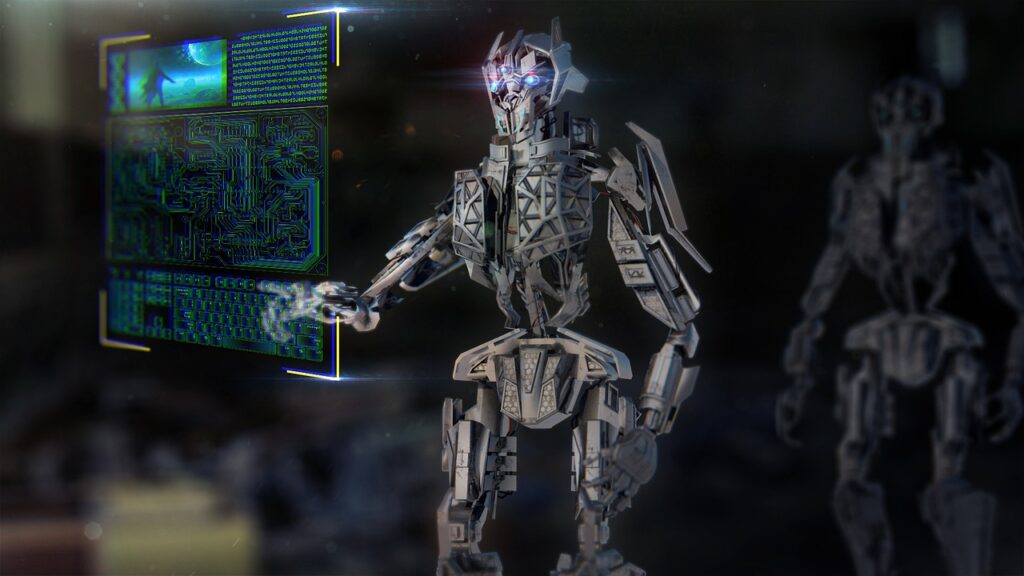

According to recent statistics, over 30 million robotic devices are expected to be sold by 2025, indicating a significant growth in the robotics industry. For a beginner who has just discovered this topic, understanding the basics of robotics is crucial to navigate this complex and fascinating field. Here’s the key thing to understand: robotics is an interdisciplinary field that combines engineering, computer science, and mathematics to create intelligent machines that can perform various tasks. As a beginner, it’s essential to start with the fundamentals and gradually move on to more advanced topics. Most people miss this: the importance of programming languages in robotics, which is a critical aspect of robotics development.
📝 Quick Navigation
What Is Robotics?
Robotics is the branch of engineering that deals with the design, construction, and operation of robots. It involves the use of computer systems, sensors, and actuators to create machines that can perform tasks autonomously or with human intervention. Robotics has numerous applications in industries such as manufacturing, healthcare, transportation, and education. The field of robotics is constantly evolving, with new innovations and advancements being made regularly.
| Term | Plain-English Meaning |
|---|---|
| Actuator | A device that converts energy into motion or action. |
| Sensor | A device that detects and responds to environmental changes. |
| Algorithm | A set of instructions used to solve a problem or complete a task. |
| Microcontroller | A small computer that controls and coordinates the actions of a robot. |
| Robot Operating System (ROS) | A software framework that provides a set of tools and libraries for building robot applications. |
| Artificial Intelligence (AI) | The development of computer systems that can perform tasks that typically require human intelligence. |
Why Robotics Matters
Robotics has numerous benefits and applications in various industries. For instance, in manufacturing, robots can perform tasks that are repetitive, hazardous, or require high precision, increasing efficiency and productivity. In healthcare, robots can assist surgeons during operations, provide rehabilitation therapy, and help with patient care. According to a report, the use of robots in healthcare can reduce the risk of surgical complications by up to 50%.
Robotics also has a significant impact on education. Robotics kits and platforms can be used to teach students about programming, engineering, and mathematics, making learning fun and interactive. Moreover, robotics competitions and events can encourage students to develop problem-solving skills, teamwork, and critical thinking. In fact, a study found that students who participate in robotics competitions show a 25% increase in their math and science grades. education Robotics kits
Furthermore, robotics can benefit individuals with disabilities. For example, robots can be designed to assist people with mobility impairments, provide communication support for those with speech disorders, and offer companionship for the elderly. With the advancements in robotics, it’s estimated that over 100,000 robots will be used in homes and communities by 2025, improving the quality of life for many individuals. mobility impairments provide
Top Robotics Innovations to Know
1. Autonomous Mobile Robots
Autonomous mobile robots are designed to navigate and interact with their environment without human intervention. These robots use sensors and mapping technologies to create a virtual map of their surroundings and make decisions based on that information. To use autonomous mobile robots, users need to program the robot’s navigation system and integrate it with sensors and actuators. A common beginner mistake is not calibrating the robot’s sensors properly, which can lead to navigation errors.
- Strengths: Increased efficiency, improved safety, and enhanced flexibility.
- Strengths: Ability to operate in dynamic environments and interact with humans and other robots.
2. Human-Robot Interaction (HRI)
HRI involves the design and development of interfaces that enable humans and robots to communicate and interact effectively. HRI systems use natural language processing, computer vision, and machine learning to recognize and respond to human gestures, speech, and emotions. To use HRI, developers need to create algorithms that can interpret human behavior and generate appropriate robot responses. A common beginner mistake is not considering the social and cultural context of human-robot interactions, which can lead to misunderstandings and errors.
- Strengths: Improved user experience, increased safety, and enhanced collaboration between humans and robots.
- Strengths: Ability to learn from human feedback and adapt to changing environments and tasks.
3. Robot Learning and Adaptation
Robot learning and adaptation involve the development of algorithms and techniques that enable robots to learn from experience and adapt to new situations. These techniques use machine learning, reinforcement learning, and other methods to improve robot performance and decision-making. To use robot learning and adaptation, developers need to design and implement learning algorithms that can process sensor data and generate optimal robot actions. A common beginner mistake is not selecting the right learning algorithm for the specific task or environment, which can lead to poor robot performance.
- Strengths: Improved robot performance, increased autonomy, and enhanced ability to handle uncertainty and change.
- Strengths: Ability to learn from human feedback and adapt to new tasks and environments.
4. Cloud Robotics
Cloud robotics involves the use of cloud computing and internet technologies to enhance robot capabilities and provide remote access to robot data and services. Cloud robotics platforms use machine learning, computer vision, and other techniques to analyze robot data and provide insights and recommendations. To use cloud robotics, developers need to integrate robot systems with cloud services and design user interfaces for remote monitoring and control. A common beginner mistake is not ensuring the security and privacy of robot data and services, which can lead to cyber attacks and data breaches. Cloud robotics involves
- Strengths: Improved robot performance, increased scalability, and enhanced collaboration between robots and humans.
- Strengths: Ability to access and share robot data and services remotely, and to integrate with other cloud-based applications and services.
5. Robotics Simulation and Modeling
Robotics simulation and modeling involve the use of software tools and techniques to design, test, and validate robot systems and applications. These tools use physics-based modeling, machine learning, and other methods to simulate robot behavior and predict performance. To use robotics simulation and modeling, developers need to create virtual models of robot systems and environments, and design simulation scenarios and experiments. A common beginner mistake is not validating simulation results with real-world data and experiments, which can lead to inaccurate predictions and poor robot performance.
- Strengths: Improved robot design, increased testing efficiency, and enhanced validation of robot systems and applications.
- Strengths: Ability to reduce the cost and risk of robot development, and to accelerate the development of new robot technologies and applications.
6. Swarm Robotics
Swarm robotics involves the development of multiple robots that can interact and coordinate with each other to achieve common goals and tasks. Swarm robotics uses machine learning, computer vision, and other techniques to enable robots to communicate and cooperate with each other. To use swarm robotics, developers need to design and implement algorithms that can manage robot interactions and coordination, and integrate robots with sensors and actuators. A common beginner mistake is not considering the scalability and complexity of swarm robotics systems, which can lead to difficulties in managing and controlling the robots.
- Strengths: Improved robot performance, increased flexibility, and enhanced ability to handle complex tasks and environments.
- Strengths: Ability to adapt to changing environments and tasks, and to learn from experience and human feedback.
7. Robot Vision and Perception
Robot vision and perception involve the development of algorithms and techniques that enable robots to interpret and understand visual data from cameras and other sensors. Robot vision and perception use machine learning, computer vision, and other methods to recognize objects, detect events, and track changes in the environment. To use robot vision and perception, developers need to design and implement algorithms that can process visual data and generate optimal robot actions. A common beginner mistake is not considering the lighting conditions, occlusions, and other factors that can affect robot vision and perception, which can lead to errors and poor robot performance.
- Strengths: Improved robot performance, increased autonomy, and enhanced ability to interact with humans and other robots.
- Strengths: Ability to learn from visual data and adapt to changing environments and tasks.
| Step | What You Do | Expected Result |
|---|---|---|
| 1. Autonomous Mobile Robots | Program the robot’s navigation system and integrate it with sensors and actuators. | The robot can navigate and interact with its environment autonomously. |
| 2. Human-Robot Interaction (HRI) | Create algorithms that can interpret human behavior and generate appropriate robot responses. | The robot can communicate and interact effectively with humans. |
| 3. Robot Learning and Adaptation | Design and implement learning algorithms that can process sensor data and generate optimal robot actions. | The robot can learn from experience and adapt to new situations and tasks. |
| 4. Cloud Robotics | Integrate robot systems with cloud services and design user interfaces for remote monitoring and control. | The robot can access and share data and services remotely, and integrate with other cloud-based applications and services. |
| 5. Robotics Simulation and Modeling | Create virtual models of robot systems and environments, and design simulation scenarios and experiments. | The robot’s behavior and performance can be simulated and validated in a virtual environment. |
| 6. Swarm Robotics | Design and implement algorithms that can manage robot interactions and coordination, and integrate robots with sensors and actuators. | Multiple robots can interact and coordinate with each other to achieve common goals and tasks. |
| 7. Robot Vision and Perception | Design and implement algorithms that can process visual data and generate optimal robot actions. | The robot can interpret and understand visual data from cameras and other sensors. |
Frequently Asked Questions
What is the difference between robotics and artificial intelligence?
Robotics and artificial intelligence are related fields, but they are not the same. Robotics involves the design, construction, and operation of robots, while artificial intelligence involves the development of computer systems that can perform tasks that typically require human intelligence. While robotics often uses artificial intelligence, not all artificial intelligence is used in robotics. same Robotics involves
What are the applications of robotics in healthcare?
Robotics has numerous applications in healthcare, including surgical assistance, rehabilitation therapy, patient care, and hospital automation. Robots can assist surgeons during operations, provide physical therapy to patients, and help with tasks such as cleaning and transportation. healthcare including surgical
How do robots learn and adapt?
Robots can learn and adapt through various techniques, including machine learning, reinforcement learning, and human feedback. Machine learning involves the use of algorithms that can process data and generate optimal robot actions, while reinforcement learning involves the use of rewards and penalties to guide robot behavior. Human feedback involves the use of human input and guidance to improve robot performance and decision-making.
What is cloud robotics?
Cloud robotics involves the use of cloud computing and internet technologies to enhance robot capabilities and provide remote access to robot data and services. Cloud robotics platforms use machine learning, computer vision, and other techniques to analyze robot data and provide insights and recommendations.
What are the benefits of robotics simulation and modeling?
Robotics simulation and modeling have numerous benefits, including improved robot design, increased testing efficiency, and enhanced validation of robot systems and applications. Simulation and modeling can reduce the cost and risk of robot development, and accelerate the development of new robot technologies and applications.
The Big Picture
Robotics is a rapidly evolving field that has the potential to transform numerous industries and aspects of our lives. As robotics technologies continue to advance, it’s essential to stay informed and adapt to the changing landscape. By understanding the basics of robotics and staying up-to-date with the latest innovations and trends, individuals and organizations can harness the power of robotics to improve productivity, efficiency, and quality of life.
Here’s the key thing to understand: the future of robotics is exciting and full of possibilities. With the increasing use of robots in various industries, the demand for skilled robotics professionals is on the rise. As a beginner, it’s essential to start with the fundamentals and gradually move on to more advanced topics, and to stay curious and keep learning.
Most people miss this: the importance of collaboration and knowledge-sharing in the robotics community. By working together and sharing ideas and expertise, individuals and organizations can accelerate the development of new robotics technologies and applications, and create a better future for all.




Pingback: Launch Your Tech Career – ciphora.online
Pingback: Smart Home Beginner Tips – ciphora.online