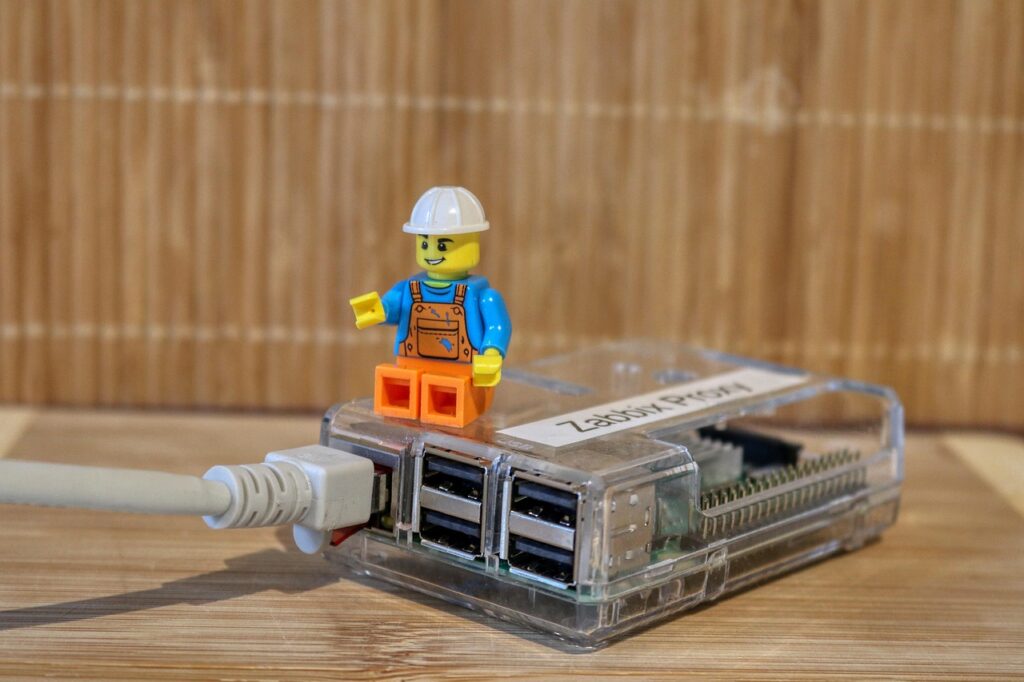

22 billion connected devices are expected by 2025, indicating a significant surge in the adoption of IoT technologies, as reported by industry studies. This increase is driven by the falling costs of connectivity and the rise of smart devices. Data from 2024 suggests that the global IoT market size is projected to reach $1.4 trillion by 2027, growing at a Compound Annual Growth Rate (CAGR) of 22.4%. The proliferation of IoT devices is transforming industries and daily life, from smart homes to industrial automation. As the number of connected devices grows, so does the potential for data-driven insights and innovations.
📝 What You'll Learn
The Current State of IoT (real examples)
The current state of IoT is characterized by the widespread adoption of connected devices across various sectors. Real examples include smart home systems, where devices such as thermostats, lights, and security cameras can be controlled remotely through a smartphone app. In the industrial sector, IoT is used for predictive maintenance, quality control, and supply chain management. For instance, manufacturers use sensors to monitor equipment performance, reducing downtime and increasing productivity.
In the healthcare sector, IoT devices such as wearable fitness trackers and smart medical devices are being used to monitor patient health and provide personalized care. Cities are also becoming smarter with the integration of IoT technologies, such as intelligent traffic management systems and smart energy grids. These examples demonstrate the diverse applications of IoT and its potential to transform numerous aspects of modern life.
The following table highlights key statistics and metrics related to the current state of IoT:
| Metric | Current Value | Source Type | Trend |
|---|---|---|---|
| Number of Connected Devices | 22 billion | Industry Studies | Increasing |
| Global IoT Market Size | $1.4 trillion | Data from 2024 | Growing at 22.4% CAGR |
| Smart Home Devices | 1.5 billion | Market Research | Expanding Rapidly |
| Industrial IoT Adoption | 70% of Manufacturers | Surveys and Reports | Increasing Adoption |
IoT Methods Worth Knowing
1. Edge Computing
Edge computing is a method where data processing occurs at the edge of the network, closer to the source of the data. This approach reduces latency and improves real-time processing capabilities. The driving forces behind edge computing include the need for faster data processing, reduced bandwidth usage, and improved security. Data from 2023 indicates that 75% of enterprise-generated data will be created and processed outside the traditional, centralized data center or cloud, highlighting the shift towards edge computing.
- Strengths:
- Reduced Latency
- Improved Real-time Processing
- Enhanced Security
2. Artificial Intelligence (AI) Integration
The integration of AI with IoT devices enables advanced data analysis, predictive maintenance, and automated decision-making. The driving forces behind AI integration include the need for intelligent insights, automated processes, and improved efficiency. Industry reports show that 80% of organizations are planning to implement AI-powered IoT solutions by 2025, demonstrating the growing importance of AI in IoT.
- Strengths:
- Advanced Data Analysis
- Predictive Maintenance
- Automated Decision-Making
3. 5G Network Adoption
The adoption of 5G networks provides IoT devices with faster data transfer rates, lower latency, and greater connectivity. The driving forces behind 5G adoption include the need for high-speed data transfer, ultra-low latency, and massive device connectivity. Data from 2024 suggests that 5G will cover 65% of the world’s population by 2025, supporting the widespread adoption of IoT devices. faster data transfer
- Strengths: learn more about this
- Faster Data Transfer Rates
- Lower Latency
- Greater Connectivity
4. Cybersecurity Measures
Cybersecurity measures are crucial in protecting IoT devices from potential threats and data breaches. The driving forces behind cybersecurity measures include the need for secure data transmission, protection of sensitive information, and compliance with regulations. Industry studies show that 90% of organizations consider security a top priority when implementing IoT solutions.
- Strengths:
- Secure Data Transmission
- Protection of Sensitive Information
- Regulatory Compliance
5. Blockchain Integration
The integration of blockchain technology with IoT devices enables secure data sharing, transparency, and accountability. The driving forces behind blockchain integration include the need for secure data management, transparency, and trust. Data from 2023 indicates that 60% of organizations are exploring the use of blockchain for IoT security, highlighting the growing interest in blockchain-based solutions.
- Strengths:
- Secure Data Sharing
- Transparency
- Accountability
6. Human-Machine Interface (HMI) Development
The development of HMI solutions enables users to interact with IoT devices more intuitively and efficiently. The driving forces behind HMI development include the need for user-friendly interfaces, improved productivity, and enhanced user experience. Industry reports show that 80% of organizations are investing in HMI solutions to improve user engagement and productivity. solutions enables users
- Strengths:
- User-Friendly Interfaces
- Improved Productivity
- Enhanced User Experience
Upcoming Trends
1. Short-Term (1 Year) Predictions
In the next year, the adoption of IoT devices is expected to increase significantly, driven by the falling costs of connectivity and the rise of smart devices. Industry studies predict that the number of connected devices will reach 25 billion by 2026, with a focus on industrial and commercial applications. The development of 5G networks will also continue, enabling faster data transfer rates and lower latency.
2. Medium-Term (3 Years) Predictions
Within the next three years, IoT is expected to transform various industries, including manufacturing, healthcare, and transportation. The integration of AI and machine learning will become more prevalent, enabling advanced data analysis and predictive maintenance. Data from 2024 suggests that 50% of organizations will have implemented AI-powered IoT solutions by 2027, indicating a significant shift towards intelligent IoT systems.
3. Long-Term (5 Years) Predictions
In the next five years, IoT is expected to become even more ubiquitous, with the number of connected devices reaching 30 billion. The development of edge computing and 5G networks will continue, enabling faster data processing and lower latency. Industry reports predict that 90% of organizations will have adopted IoT solutions by 2030, highlighting the widespread adoption of IoT technologies.
The following table highlights the upcoming trends and their expected impact: following table highlights
| Year | Likely Development | Impact Level |
|---|---|---|
| 2026 | Increased Adoption of IoT Devices | High |
| 2027 | Integration of AI and Machine Learning | Medium |
| 2030 | Widespread Adoption of IoT Solutions | Very High |
How This Affects Everyday Life
The proliferation of IoT devices is transforming daily life in numerous ways. For instance, smart home systems enable users to control their home’s temperature, lighting, and security remotely, improving convenience and energy efficiency. Wearable devices, such as fitness trackers and smartwatches, provide users with personalized health and fitness insights, promoting a healthier lifestyle.
In the transportation sector, IoT is being used to develop intelligent traffic management systems, reducing congestion and improving road safety. The use of IoT in healthcare is also becoming more prevalent, with devices such as smart medical devices and telemedicine platforms enabling remote patient monitoring and personalized care. develop intelligent traffic
The adoption of IoT in industrial settings is improving productivity and efficiency, with predictive maintenance and quality control becoming increasingly important. Cities are also becoming smarter, with the integration of IoT technologies such as intelligent energy grids and waste management systems, improving the overall quality of life for citizens. quality control becoming
The impact of IoT on daily life will continue to grow as the number of connected devices increases and new technologies emerge. As IoT becomes more ubiquitous, it is essential to consider the potential benefits and challenges associated with its adoption. daily life will
In addition to the benefits mentioned earlier, IoT is also expected to have a significant impact on the environment. For example, smart energy grids and intelligent transportation systems can help reduce energy consumption and greenhouse gas emissions, promoting sustainability and reducing the carbon footprint. benefits mentioned earlier
What to Do Right Now
- Invest in IoT devices and solutions that align with your business needs and goals, as the adoption of IoT is expected to continue growing in the next few years. This investment will enable your organization to stay ahead of the curve and capitalize on the benefits of IoT. By doing so, you will be able to improve efficiency, reduce costs, and enhance customer experience.
- Develop a comprehensive strategy for IoT adoption, including the integration of AI, machine learning, and edge computing. This strategy should take into account the potential risks and challenges associated with IoT adoption, such as cybersecurity threats and data management. By having a clear plan in place, you will be able to mitigate these risks and ensure a smooth transition to an IoT-enabled organization.
- Focus on cybersecurity and data protection, as the number of connected devices increases and the potential for security breaches grows. This includes implementing robust security measures, such as encryption and firewalls, and ensuring that all devices are properly configured and maintained. By prioritizing cybersecurity, you will be able to protect your organization’s sensitive data and maintain the trust of your customers.
- Explore the use of blockchain and other emerging technologies to enhance security, transparency, and accountability in IoT systems. Blockchain technology, in particular, has the potential to provide a secure and decentralized platform for IoT data management, enabling secure data sharing and reducing the risk of data breaches. By embracing these emerging technologies, you will be able to stay ahead of the curve and capitalize on the benefits of IoT.
- Stay informed about the latest trends and developments in IoT, including the integration of AI, machine learning, and edge computing. This includes attending industry conferences, reading industry reports, and participating in online forums and discussions. By staying informed, you will be able to make informed decisions about IoT adoption and stay ahead of the competition.
Key Takeaways
The Internet of Things is transforming industries and daily life, with over 22 billion connected devices expected by 2025. The current state of IoT is characterized by the widespread adoption of connected devices, with real examples including smart home systems, industrial automation, and healthcare applications. Emerging trends, such as edge computing, AI integration, and 5G network adoption, are driving the growth of IoT and enabling advanced data analysis, predictive maintenance, and automated decision-making.
As the number of connected devices grows, so does the potential for data-driven insights and innovations. However, it is essential to consider the potential risks and challenges associated with IoT adoption, such as cybersecurity threats and data management. By prioritizing cybersecurity, developing a comprehensive strategy for IoT adoption, and staying informed about the latest trends and developments, organizations can capitalize on the benefits of IoT and stay ahead of the curve.
To wrap up, the future of IoT is exciting and full of possibilities. As the technology continues to evolve, we can expect to see even more innovative applications and use cases emerge. By understanding the current state of IoT, emerging trends, and potential challenges, organizations can make informed decisions about IoT adoption and capitalize on the benefits of this transformative technology.