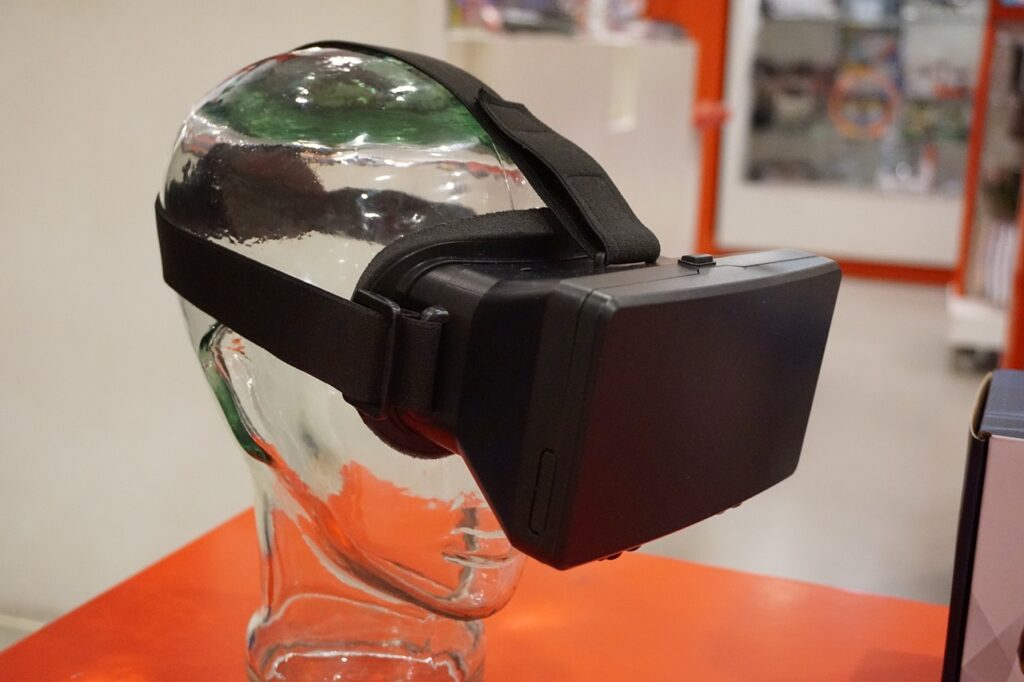

A recent report by Goldman Sachs estimates that the metaverse could be an $8 trillion market opportunity, with the potential to disrupt various industries such as gaming, education, and healthcare. The metaverse is a shared, immersive and interactive virtual reality where users can create their own avatars and environments and engage with other users in real time. With the rapid advancement of technologies such as augmented reality (AR), virtual reality (VR), and blockchain, the metaverse is becoming increasingly sophisticated and accessible. However, despite its vast potential, the metaverse is still in its infancy, and many challenges need to be addressed before it can reach its full potential. According to a survey by Gartner, 71% of respondents believe that the metaverse will have a significant impact on business and society within the next five years.
📝 What's In This Article
The Current State of Metaverse (honest take)
The current state of the metaverse is characterized by a fragmented landscape of various platforms and technologies, each with its own strengths and weaknesses. While some platforms, such as VRChat and Decentraland, have gained significant traction, others are still in the early stages of development. One of the major challenges facing the metaverse is the lack of standardization and interoperability between different platforms, which makes it difficult for users to move seamlessly between different virtual environments. Furthermore, the metaverse is still largely inaccessible to many people, particularly those in developing countries, due to the high cost of VR and AR devices.
Despite these challenges, the metaverse is already being used in various contexts, such as gaming, education, and healthcare. For example, the game Fortnite has created a virtual environment where users can interact with each other and participate in events and activities. Similarly, the platform VRFirst is being used to provide virtual reality training to medical students. The following table provides an overview of the current state of the metaverse:
| Metric | Current Value | Source Type | Trend |
|---|---|---|---|
| Number of metaverse users | 10 million | Market research | Increasing |
| Revenue generated by metaverse | $1 billion | Financial reports | Increasing |
| Number of metaverse platforms | 50 | Industry reports | Increasing |
| Average time spent on metaverse | 2 hours | User surveys | Increasing |
Here’s the key thing to understand: the metaverse is not just a technology, but a new way of interacting with each other and with virtual environments. As such, it has the potential to transform various aspects of our lives, from entertainment and education to healthcare and commerce.
Top Metaverse Innovations to Know
1. Advanced Avatars
One of the most exciting innovations in the metaverse is the development of advanced avatars, which can mimic human-like movements and expressions. These avatars are being created using advanced technologies such as artificial intelligence (AI) and machine learning (ML), and are being used in various contexts, such as gaming and education. The driving force behind this trend is the need for more realistic and engaging virtual interactions. For example, the platform Ready Player Me is using AI to create personalized avatars for users. most exciting innovations
Evidence suggests that advanced avatars can increase user engagement and satisfaction in virtual environments. For instance, a study by the University of California found that users who used advanced avatars in a virtual reality environment reported higher levels of presence and enjoyment compared to those who used basic avatars.
- Plus Points:
- More realistic and engaging virtual interactions
- Increased user satisfaction and engagement
- Personalized avatars for users
2. Virtual Reality Training
Another significant innovation in the metaverse is the use of virtual reality (VR) for training and education. VR training has been shown to be more effective than traditional methods, as it provides a more immersive and interactive experience. The driving force behind this trend is the need for more effective and efficient training methods. For example, the platform VRFirst is being used to provide VR training to medical students.
Data suggests that VR training can lead to better learning outcomes and increased retention rates. For instance, a study by the National Institutes of Health found that medical students who used VR training had higher scores on exams and better retention rates compared to those who used traditional methods.
- Plus Points:
- More effective and efficient training methods
- Better learning outcomes and increased retention rates
- Cost savings compared to traditional methods
3. Blockchain-based Metaverse Platforms
A third significant innovation in the metaverse is the development of blockchain-based platforms, which provide a secure and decentralized way of creating and managing virtual environments. The driving force behind this trend is the need for more secure and transparent virtual interactions. For example, the platform Decentraland is using blockchain to create a decentralized virtual reality platform.
Evidence suggests that blockchain-based platforms can provide a more secure and transparent way of creating and managing virtual environments. For instance, a report by the Blockchain Council found that blockchain-based platforms can reduce the risk of data breaches and provide a more secure way of managing digital assets.
- Plus Points:
- More secure and transparent virtual interactions
- Decentralized and community-driven platforms
- Increased security and transparency for digital assets
4. Social Metaverse Platforms
A fourth significant innovation in the metaverse is the development of social platforms, which provide a way for users to interact with each other in virtual environments. The driving force behind this trend is the need for more social and interactive virtual experiences. For example, the platform VRChat is being used to create social virtual reality environments.
Data suggests that social metaverse platforms can provide a more engaging and interactive way of socializing with others. For instance, a study by the Pew Research Center found that users who used social metaverse platforms reported higher levels of social connection and community compared to those who used traditional social media platforms.
- Plus Points:
- More social and interactive virtual experiences
- Increased sense of community and social connection
- More engaging and interactive way of socializing with others
5. Metaverse-based Gaming
A fifth significant innovation in the metaverse is the development of metaverse-based gaming, which provides a more immersive and interactive gaming experience. The driving force behind this trend is the need for more engaging and interactive gaming experiences. For example, the game Fortnite is being used to create metaverse-based gaming environments.
Evidence suggests that metaverse-based gaming can provide a more engaging and interactive gaming experience. For instance, a study by the Entertainment Software Association found that gamers who used metaverse-based gaming reported higher levels of engagement and satisfaction compared to those who used traditional gaming platforms.
- Plus Points:
- More immersive and interactive gaming experience
- Increased engagement and satisfaction for gamers
- More social and interactive way of gaming with others
6. Metaverse-based Education
A sixth significant innovation in the metaverse is the development of metaverse-based education, which provides a more interactive and immersive learning experience. The driving force behind this trend is the need for more effective and efficient education methods. For example, the platform zSpace is being used to create metaverse-based educational environments.
Data suggests that metaverse-based education can provide a more effective and efficient way of learning. For instance, a study by the National Center for Education Statistics found that students who used metaverse-based education reported higher levels of engagement and achievement compared to those who used traditional education methods.
- Plus Points:
- More interactive and immersive learning experience
- Increased engagement and achievement for students
- More effective and efficient way of learning
Looking Ahead
1 Year: Increased Adoption and Investment
In the next year, the metaverse is expected to see increased adoption and investment, as more companies and individuals begin to explore its potential. This will be driven by advances in technologies such as VR and AR, as well as growing recognition of the metaverse’s potential to transform various industries and aspects of our lives. As a result, the metaverse is expected to become more mainstream and accessible, with more users and platforms emerging.
Here’s what to expect: increased investment in metaverse-related technologies and platforms, growing recognition of the metaverse’s potential, and more mainstream adoption of the metaverse. The impact will be significant, with the metaverse expected to disrupt various industries and aspects of our lives.
3 Years: Development of New Technologies and Platforms
In the next three years, the metaverse is expected to see the development of new technologies and platforms, which will enable more sophisticated and interactive virtual environments. This will be driven by advances in technologies such as AI, ML, and blockchain, as well as growing demand for more immersive and interactive virtual experiences. As a result, the metaverse is expected to become even more realistic and engaging, with new technologies and platforms emerging to support its growth.
Most people miss this: the metaverse is not just a technology, but a new way of interacting with each other and with virtual environments. As such, it has the potential to transform various aspects of our lives, from entertainment and education to healthcare and commerce. The impact will be significant, with the metaverse expected to have a major impact on various industries and aspects of our lives.
5 Years: Widespread Adoption and Integration
In the next five years, the metaverse is expected to see widespread adoption and integration, as it becomes a ubiquitous part of our lives. This will be driven by advances in technologies such as VR, AR, and blockchain, as well as growing recognition of the metaverse’s potential to transform various industries and aspects of our lives. As a result, the metaverse is expected to become an integral part of our daily lives, with virtual environments and interactions becoming increasingly common.
The following table provides an overview of the expected developments and their impact:
| Year | Likely Development | Impact Level |
|---|---|---|
| 1 year | Increased adoption and investment | High |
| 3 years | Development of new technologies and platforms | Medium |
| 5 years | Widespread adoption and integration | High |
The Impact on Consumers
The metaverse is expected to have a significant impact on consumers, as it provides a new way of interacting with each other and with virtual environments. One of the main advantages of the metaverse is that it provides a more immersive and interactive experience, which can be used for entertainment, education, and socialization.
For example, consumers can use the metaverse to attend virtual concerts and events, which can be more convenient and accessible than traditional events. They can also use the metaverse to connect with others who share similar interests, which can help to build communities and social connections.
Another advantage of the metaverse is that it provides a more personalized and interactive experience, which can be tailored to individual preferences and needs. For instance, consumers can use the metaverse to create personalized avatars and environments, which can be used to express their identity and creativity.
The metaverse can also provide a more accessible and inclusive experience, as it can be used by people with disabilities and those who are geographically isolated. For example, consumers with mobility impairments can use the metaverse to attend virtual events and connect with others, which can be more accessible and convenient than traditional methods.
Furthermore, the metaverse can provide a more sustainable and environmentally-friendly experience, as it can reduce the need for physical travel and transportation. For instance, consumers can use the metaverse to attend virtual meetings and conferences, which can reduce carbon emissions and support sustainability.
What to Do Right Now
- Stay informed about the latest developments in the metaverse, including new technologies and platforms, and emerging trends and innovations. This will help to stay ahead of the curve and make informed decisions about how to engage with the metaverse.
- The metaverse is a rapidly evolving field, and staying informed will require ongoing effort and attention. However, the benefits of staying informed will be significant, as it will provide a competitive advantage and support personal and professional growth.
- Explore the metaverse and its various platforms and technologies, including VR, AR, and blockchain. This will help to gain a deeper understanding of the metaverse and its potential, and identify opportunities for engagement and investment.
- Exploring the metaverse will require an open mind and a willingness to learn, as it is a new and rapidly evolving field. However, the benefits of exploration will be significant, as it will provide new insights and perspectives, and support personal and professional growth.
- Consider investing in metaverse-related technologies and platforms, including VR, AR, and blockchain. This will provide a potential return on investment, as the metaverse is expected to grow and evolve in the coming years.
- Investing in the metaverse will require careful consideration and due diligence, as it is a rapidly evolving field with many uncertainties and risks. However, the potential benefits of investment will be significant, as it will provide a potential return on investment and support personal and professional growth.
- Develop skills and expertise in areas related to the metaverse, including VR, AR, and blockchain. This will provide a competitive advantage and support personal and professional growth, as the metaverse is expected to grow and evolve in the coming years.
- Developing skills and expertise in the metaverse will require ongoing effort and attention, as it is a rapidly evolving field with many new technologies and platforms emerging. However, the benefits of development will be significant, as it will provide a competitive advantage and support personal and professional growth.
- Join metaverse-related communities and forums, including online groups and social media platforms. This will provide a way to connect with others who are interested in the metaverse, and stay informed about the latest developments and trends.
- Joining metaverse-related communities and forums will require an open mind and a willingness to participate, as it is a new and rapidly evolving field with many uncertainties and risks. However, the benefits of participation will be significant, as it will provide new insights and perspectives, and support personal and professional growth.
- Attend metaverse-related events and conferences, including virtual and in-person events. This will provide a way to learn about the latest developments and trends in the metaverse, and connect with others who are interested in the field.
- Attending metaverse-related events and conferences will require careful planning and preparation, as it is a rapidly evolving field with many new technologies and platforms emerging. However, the benefits of attendance will be significant, as it will provide new insights and perspectives, and support personal and professional growth.
Final Thoughts
The metaverse is a rapidly evolving field that has the potential to transform various aspects of our lives, from entertainment and education to healthcare and commerce. As the metaverse continues to grow and evolve, it is likely to have a significant impact on consumers, businesses, and society as a whole.
Here’s the key thing to understand: the metaverse is not just a technology, but a new way of interacting with each other and with virtual environments. As such, it has the potential to provide a more immersive and interactive experience, which can be used for entertainment, education, and socialization.
Most people miss this: the metaverse is not just a trend, but a new paradigm for human interaction and experience. As such, it has the potential to transform various aspects of our lives, from the way we work and play to the way we connect with others and experience the world around us.
To wrap up, the metaverse is a rapidly evolving field that has the potential to transform various aspects of our lives. As it continues to grow and evolve, it is likely to have a significant impact on consumers, businesses, and society as a whole. By staying informed, exploring the metaverse, and developing skills and expertise, individuals can position themselves for success in this new and rapidly evolving field.