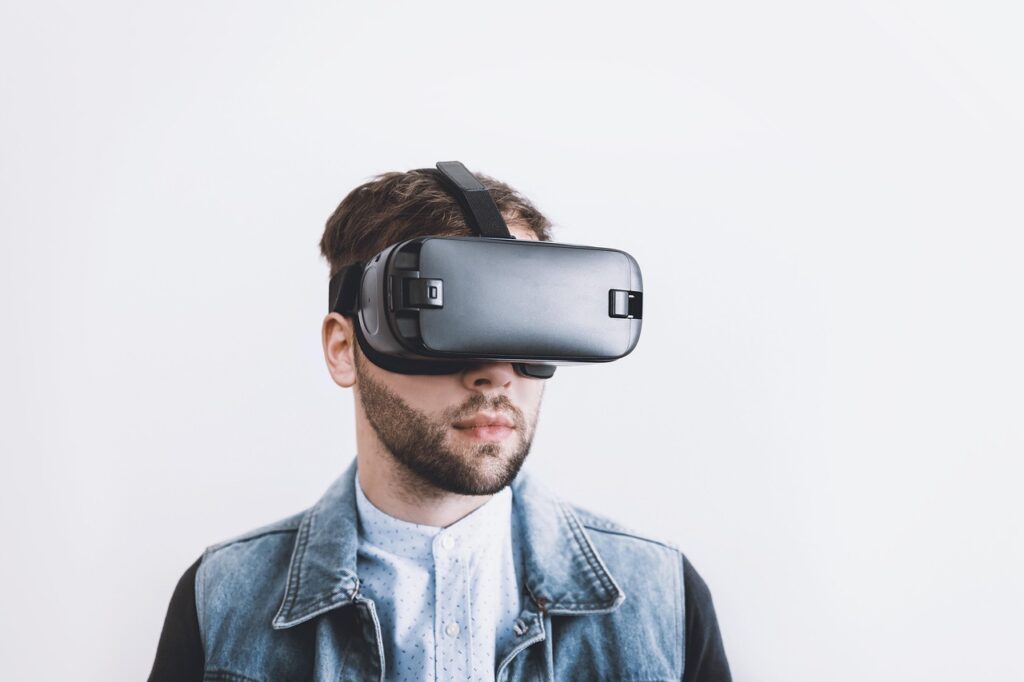

Virtual Reality (VR) is transforming industries and lives by providing immersive, interactive experiences that simulate real-world environments or create entirely new ones. However, many individuals and businesses face significant challenges when attempting to define and utilize VR effectively. Despite the potential of VR to revolutionize entertainment, education, and healthcare, among other sectors, its adoption is often hindered by misunderstandings of its capabilities and limitations. Data from 2024 suggests that the global VR market is poised for significant growth, underscoring the need for clarity and guidance on VR’s applications and benefits. As VR technology advances, it is crucial to address the pain points that hinder its widespread adoption.
📝 Quick Navigation
Common Challenges With Defining Virtual Reality (step by step)
Technical Complexity
The technical aspects of VR can be daunting, involving complex hardware and software requirements that are not easily understood by non-experts. This complexity arises from the need for high-performance computing, specialized graphics cards, and advanced sensors to deliver seamless and realistic VR experiences. As a result, many potential users are deterred by the perceived difficulty of setting up and using VR systems.
Cost and Accessibility
High-quality VR equipment is often expensive, making it inaccessible to many individuals and small businesses. This cost barrier limits the potential market for VR, concentrating its use among larger corporations and affluent consumers. Industry studies show that the cost of VR hardware and the development of VR content are significant hindrances to its broader adoption.
Lack of Standardization
The VR industry lacks standardization in hardware and software, leading to compatibility issues and fragmentation. This lack of standardization makes it difficult for developers to create content that works across different VR platforms, further complicating the adoption process. According to recent analyses, the absence of industry-wide standards is a major obstacle to the growth of the VR market.
Content Limitations
Despite advancements, the availability of high-quality, engaging VR content remains limited. The creation of immersive and interactive VR experiences requires significant resources and expertise, constraining the diversity and volume of content. As a consequence, users may find the current VR content offerings inadequate or uninspiring, which can dampen interest and adoption.
User Experience and Health Concerns
Concerns about the user experience, including potential health impacts such as eye strain, headaches, and motion sickness, also pose challenges. These issues can be attributed to the immersive nature of VR, which, if not designed with user comfort in mind, can lead to negative experiences. Research indicates that addressing these concerns through better design and user guidelines is essential for the long-term success of VR technology.
Key Virtual Reality Advancements
1. Enhanced Graphics and Resolution
Recent advancements in graphics processing have significantly improved the visual fidelity of VR experiences, offering higher resolutions and smoother performance. Implementing these enhancements involves upgrading to the latest graphics cards and ensuring that VR software is optimized for the new hardware. This can be achieved by investing in high-performance computing equipment and staying updated with the latest developments in VR technology.
- Why It Works:
- Enhanced immersion due to more realistic visuals.
- Improved user engagement through detailed and interactive environments.
- Increased potential for applications in fields requiring high visual fidelity, such as architecture and product design.
2. Advanced Tracking Systems
Advancements in tracking technology have enabled more precise and seamless interactions within VR environments. Implementing advanced tracking involves integrating sophisticated sensors and cameras that can accurately follow the user’s movements. This requires careful calibration and setup to ensure that the tracking system works flawlessly with the VR hardware and software.
- Why It Works:
- Enhanced precision in tracking allows for more realistic and interactive experiences.
- Improved user satisfaction through the ability to naturally interact with virtual objects.
- Increased applicability in training and simulation scenarios where precise movement tracking is crucial.
3. Standalone VR Headsets
The development of standalone VR headsets has made VR more accessible by eliminating the need for a connected PC or console. These headsets are fully self-contained, offering a convenient and portable VR experience. Implementing standalone VR headsets involves selecting the appropriate model based on the intended use and ensuring that it is properly set up and updated.
- Why It Works:
- Convenience and portability enhance the overall user experience.
- Lower cost compared to PC-based VR systems makes VR more accessible to a wider audience.
- Increased potential for casual and social VR experiences due to ease of use and mobility.
4. Social VR Platforms
Social VR platforms have emerged, allowing users to interact with each other in virtual environments. Implementing social VR involves choosing a suitable platform, creating an avatar, and engaging with the community. This can be achieved by exploring different social VR platforms, understanding their features, and participating in community activities.
- Why It Works:
- Enhanced social interaction possibilities expand VR’s appeal beyond solo experiences.
- Increased engagement through shared experiences and community building.
- New opportunities for remote collaboration, education, and social events in VR.
5. VR Content Creation Tools
Advancements in VR content creation tools have made it easier for developers to produce high-quality VR experiences. Implementing these tools involves selecting the appropriate software based on the project’s needs, learning the interface, and creating content. This requires a combination of technical skill and creative vision to produce engaging and interactive VR content.
- Why It Works: get more information
- Simplified content creation process reduces barriers to entry for developers.
- Increased diversity in VR content as more developers can create experiences.
- Improved quality of VR content due to more accessible and user-friendly creation tools.
6. Integration with Other Technologies
The integration of VR with other technologies, such as augmented reality (AR), artificial intelligence (AI), and the Internet of Things (IoT), has opened up new possibilities for innovative applications. Implementing this integration involves understanding the synergies between these technologies and developing applications that use their combined potential. This requires a multidisciplinary approach, combining expertise in VR, AI, AR, and IoT to create groundbreaking solutions.
- Why It Works:
- Enhanced functionality and interactivity through the fusion of technologies.
- Increased potential for applications in complex fields such as healthcare, education, and manufacturing.
- Future-proofing VR technology by aligning it with emerging technological trends.
| Approach | Old Way | Better Way | Result |
|---|---|---|---|
| VR Adoption | Focus on individual experiences | Emphasize social and shared VR experiences | Increased user engagement and community building |
| Content Creation | Depend on professional developers | Utilize accessible content creation tools | More diverse and abundant VR content |
| Technical Requirements | High-end PC or console required | Standalone VR headsets available | Greater accessibility and portability |
| Integration | Isolate VR from other technologies | Integrate VR with AR, AI, and IoT | Enhanced functionality and innovative applications |
| User Experience | Ignore user comfort and health | Prioritize user comfort and health in VR design | Improved user satisfaction and safety |
Practical Takeaways
A recent case study in the field of education demonstrated the effectiveness of VR in enhancing student engagement and understanding of complex subjects. By implementing VR field trips, students were able to explore historical sites and interact with virtual replicas of ancient artifacts, leading to a significant improvement in their academic performance. This example highlights the potential of VR to revolutionize traditional teaching methods and make learning more immersive and fun.
In the healthcare sector, VR has been successfully used for therapy and treatment of patients with anxiety disorders. A study found that patients who underwent VR exposure therapy showed significant reduction in their anxiety levels compared to those who received traditional treatment. This outcome underscores the therapeutic potential of VR and its ability to provide controlled and safe environments for exposure therapy.
The use of VR in product design and architecture has also yielded promising results. Companies have reported a reduction in design flaws and improvements in product usability after adopting VR for design prototyping. This is attributed to VR’s ability to provide an immersive and interactive environment where designers can test and refine their designs more effectively.
Furthermore, social VR platforms have enabled new forms of remote collaboration and social interaction. A notable example is the emergence of virtual events and conferences, which have made it possible for people from all over the world to connect and share ideas in a fully immersive environment. This development has significant implications for global connectivity and community building.
Lastly, the integration of VR with other technologies has led to innovative applications in fields such as manufacturing and logistics. For instance, the use of VR for training warehouse staff has improved efficiency and reduced errors, demonstrating the potential of VR to enhance operational performance in industrial settings. training warehouse staff
Step-by-Step Action Plan
- Invest in a high-quality VR headset that meets your needs, because having the right hardware is essential for a good VR experience. This will ensure that you can fully immerse yourself in VR environments and interact with them seamlessly.
- Explore different VR platforms and content, as this will help you understand the breadth of VR applications and find experiences that interest you. From games and educational content to social platforms and therapeutic tools, there is a wide range of VR experiences available.
- Learn about the technical requirements for VR, including the necessary hardware and software specifications, to ensure that your system can support VR technology. This knowledge will help you make informed decisions when setting up your VR environment.
- Engage with the VR community, either through social VR platforms or online forums, to stay updated on the latest developments and best practices. This will provide you with valuable insights and tips from experienced users and developers.
- Consider the integration of VR with other technologies, such as AR, AI, and IoT, to explore new possibilities for innovative applications. This can involve researching how these technologies can complement VR and enhance its capabilities.
- Develop a strategy for implementing VR in your business or personal projects, including identifying areas where VR can add value and planning how to integrate it effectively. This strategy should consider your goals, target audience, and the resources required for successful VR adoption.
- Stay informed about the latest advancements and trends in VR technology, as the field is rapidly evolving with new developments and innovations. Following industry news and research will help you stay ahead of the curve and make the most of VR’s potential.
The Bottom Line
Virtual Reality is on the cusp of transforming numerous aspects of our lives, from entertainment and education to healthcare and beyond. As VR technology continues to advance and become more accessible, its potential to revolutionize industries and improve individual experiences will only grow. By understanding the challenges associated with VR and embracing its advancements, we can unlock its full potential and harness its power to create more immersive, interactive, and meaningful experiences. Looking forward, the future of VR holds much promise, with ongoing innovations and investments poised to bring about a new era of virtual interaction and exploration.